In the bustling world of a cafe, where efficiency and precision are paramount, the choice of cooking equipment can significantly impact your operation. For over a decade, induction cooktops have revolutionized culinary spaces, moving beyond residential kitchens to become indispensable tools in professional settings like cafes. This comprehensive guide will illuminate the world of induction cooking, offering invaluable insights and expert advice to help you select the ideal induction cooktop that aligns with your cafe’s unique demands and budget, transforming your kitchen into a hub of innovation and efficiency.
What is an Induction Cooktop?
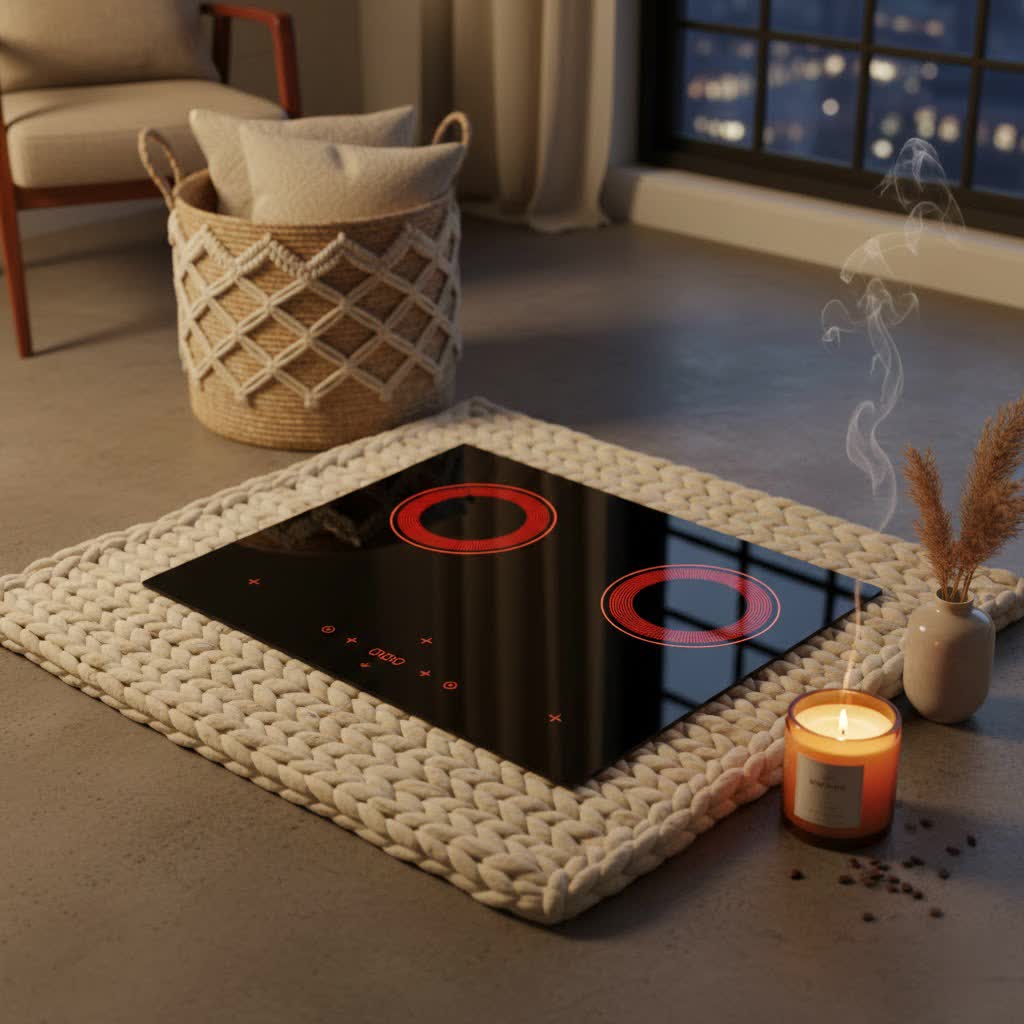
An induction cooktop is an advanced cooking appliance that utilizes electromagnetic fields to generate heat directly within compatible cookware. Unlike traditional gas or electric stoves that heat the cooktop surface and then transfer heat to the pot, induction technology works by passing an alternating current through a coil beneath the glass-ceramic surface. When a ferromagnetic pot or pan is placed on this surface, the magnetic field induces eddy currents within the cookware itself, causing it to heat up rapidly and efficiently. This innovative principle ensures that only the pot gets hot, leaving the cooktop surface relatively cool to the touch.
The development of induction cooking traces back to the mid-20th century, but it has gained significant traction in recent decades due to technological advancements that have made it more accessible, powerful, and reliable for both home and professional use. Its precise control and energy efficiency mark a significant evolution in kitchen technology.
Advantages and Disadvantages of Induction Cooktops
Integrating an induction cooktop into your cafe offers a myriad of benefits, but it also comes with a few considerations. Understanding these can help you make an informed decision for your professional kitchen.
Advantages:
- High Energy Efficiency: Induction cooktops are remarkably energy-efficient, with up to 90% of the energy consumed transferred directly to the cookware. This significantly surpasses the efficiency of traditional gas stoves (around 40-50%) and conventional electric cooktops, leading to substantial savings on utility bills in a busy cafe environment.
- Enhanced Safety: The absence of an open flame and the fact that the cooktop surface remains relatively cool minimizes the risk of burns and accidental fires, creating a safer working environment for your staff. Many commercial induction models also include auto-shutoff features when cookware is removed, further preventing accidents.
- Effortless Cleaning: The smooth, flat glass-ceramic surface of an induction cooktop makes cleaning a breeze. Spills don’t burn onto the surface because it doesn’t get hot, allowing for quick wipe-downs with a damp cloth, which is crucial for maintaining hygiene standards in a commercial kitchen.
- Precise Temperature Control: Induction offers unparalleled temperature precision, allowing chefs to adjust heat levels instantly and accurately. This granular control is vital for delicate sauces, perfect searing, and consistent cooking results, ensuring every dish meets your cafe’s high standards.
- Rapid Cooking Speed: With direct heat transfer, induction cooktops can boil water and reach desired temperatures much faster than gas or electric alternatives. This speed is a game-changer during peak hours, enabling quicker service and higher customer turnover.
- Improved Kitchen Environment: Because less heat escapes into the surrounding air, induction cooktops contribute to a cooler kitchen environment. This reduces the strain on your ventilation and air conditioning systems and creates a more comfortable workspace for your culinary team.
|
Our Picks for the Best Induction Cooktop in 2026
As an Amazon Associate I earn from qualifying purchases.
|
||
| Num | Product | Action |
|---|---|---|
| 1 | Nuwave Flex Precision Induction Cooktop, 10.25” Shatter-Proof Ceramic Glass, 6.5” Heating Coil, 45 Temps from 100°F to 500°F, 3 Wattage Settings 600, 900 & 1300 Watts, Black |

|
| 2 | VoltCuisine 24 Inch Double Induction Cooktop, Button Control, 1800W Power Sharing, Low Power Continuous Heating, Portable Countertop Electric Cooker |
|
| 3 | ChangBERT Induction Cooktop, Commercial Grade Portable Cooker, Large 8” Heating Coil, Premium Stainless Steel Countertop Burner with NSF Certified, 10 Hours Timer Powerful 1800W Professional Hot Plate |
|
| 4 | Nuwave Pro Chef Induction Cooktop, NSF-Certified, Commercial-Grade, Portable, Powerful 1800W, Large 8” Heating Coil, 94 Temp Settings 100°F - 575°F in 5°F, Shatter-Proof Ceramic Glass Surface |
|
| 5 | Duxtop 1800W Portable Induction Cooktop Countertop Burner, Gold 8100MC/BT-180G3 |
|
| 6 | Duxtop 1800W Portable Induction Cooktop Countertop Burner, Black 9100MC/BT-M20B |
|
| 7 | 30 Inch Gas Cooktop, TOPWISH Gas Stove Top with 5 High Efficiency SABAF Burners, 41400 BTU, NG/LPG Convertible 304 Stainless Steel Built-in Propane Stovetop with Thermocouple Protection, 120V AC |
|
| 8 | Duxtop Portable Induction Cooktop Burner, Induction Hot Plate with LCD Sensor Touch 1800 Watts, Silver 9600LS/BT-200DZ |
|
| 9 | Cooktron 2-in-1 Induction Cooktop with Grill Pan – Portable 1 Burner Induction Hot Plate 1800W, Removable Griddle, 10 Power & 5 Temp Levels, Touch & Knob Control for Kitchen or RV Camping |
|
| 10 | ChangBERT Portable Induction Cooktop Enhanced Version, One-Click Max Power 1800W Large Heating Coil Burner, Precise Temperature Control, NSF Certified, Low Noise Hot Plate for Home & Commercial |
|
Disadvantages:
- Higher Initial Investment: The upfront cost of commercial induction cooktops can be higher than traditional gas or electric models. However, the long-term energy savings and operational benefits often offset this initial expense.
- Cookware Compatibility: Induction cooktops only work with ferromagnetic (magnetic) cookware. This means you might need to invest in new pots and pans made from cast iron, magnetic stainless steel, or enameled steel if your current collection isn’t induction-compatible. A simple magnet test can determine if your existing cookware will work.
- Power Requirements: Commercial induction units often require a stable and robust electrical supply. It’s essential to ensure your cafe’s electrical infrastructure can support the power demands of the chosen induction cooktop.
- Potential for Minor Noise: While generally quiet, some induction cooktops may produce a low humming or buzzing sound, especially at higher power settings or when certain types of cookware are used. This is typically minor and often goes unnoticed in a busy cafe setting.
Types of Induction Cooktops Common in Commercial Settings
Commercial induction cooktops come in various configurations to suit different kitchen layouts and cooking needs.
- Single Burner (Portable) Induction Cooktops: These compact and versatile units are perfect for adding an extra cooking zone, catering events, or for tableside cooking demonstrations. They are highly portable, allowing for flexible placement and easy storage.
- Multi-Burner Built-in (Drop-in) Induction Cooktops: Designed to integrate seamlessly into countertops, these models offer multiple cooking zones (two, four, or even six) and provide a sleek, flush surface that enhances kitchen aesthetics and simplifies cleaning. They are ideal for permanent installations in dedicated cooking stations.
- Countertop/Freestanding Induction Units: Similar to built-in models but designed to sit directly on a counter, these multi-burner units offer a robust solution for cafes that prefer not to modify their existing countertops. They are often heavy-duty and built for continuous commercial use.
- Induction Ranges: While less common for standalone cooktops, some commercial kitchens might opt for full induction ranges that combine an induction cooktop with an oven below, offering a complete cooking solution in a single footprint.
Comparing Induction Cooktops with Other Cooktop Types
When outfitting a cafe kitchen, comparing induction with gas and electric is crucial. Here’s a concise overview:
| Feature | Induction Cooktop | Gas Cooktop | Electric Cooktop (Coil/Radiant) |
|---|---|---|---|
| Energy Efficiency | High (Up to 90%) | Medium (40-50%) | Low-Medium (60-70%) |
| Safety | Very High (No open flame, cool surface, auto-shutoff) | Low (Open flame, gas leaks, hot grates) | Medium (Hot surface, slow cool-down) |
| Cooking Speed | Very Fast (Rapid boil) | Fast (Instant visual heat) | Slow |
| Initial Cost | High | Medium | Low |
| Operational Cost | Low (Due to high efficiency) | Medium-High | Medium-High |
| Temperature Control | Precise and Instant | Responsive, but less precise than induction | Delayed, less precise |
| Flexibility (Cookware) | Low (Magnetic only) | High (Any type) | High (Any flat-bottomed) |
| Cleaning Ease | Very Easy (Smooth, cool surface) | Difficult (Grates, burnt-on spills) | Medium (Burnt-on spills) |
| Kitchen Heat | Minimal waste heat | Significant waste heat | Moderate waste heat |
> “Induction cooking is a game-changer for cafes. The speed and precision allow for consistent quality, while the energy savings significantly impact the bottom line.” – Chef Anya Sharma, Head of Culinary Operations
Criteria for Choosing a Cafe Induction Cooktop (Buying Guide)
Selecting the right induction cooktop for your cafe requires careful consideration of several factors:
- Power Output (Wattage): Commercial settings demand higher power output for rapid heating and recovery. Look for models with higher wattage per burner (e.g., 2500W-3500W per element) to handle high-volume cooking effectively.
- Size and Design: Measure your available counter space or desired installation area. Consider whether a single, double, or multi-zone built-in unit best fits your kitchen layout and workflow. Sleek, minimalist designs also contribute to a modern cafe aesthetic.
- Number of Cooking Zones: Determine how many burners your cafe typically needs simultaneously. Options range from portable single burners to integrated units with multiple zones, some even offering bridge functions to combine elements for larger cookware.
- Safety Features: Prioritize models with essential safety features such as automatic pan detection, overheating protection, residual heat indicators, and child lock functions, even in a professional environment, to prevent accidental activation.
- Brand Reputation and Reliability: Invest in commercial-grade induction cooktops from reputable brands known for durability and performance in professional kitchens. Check for certifications and reviews from other commercial users.
- Price and Warranty: While initial cost is a factor, consider the long-term operational savings. Compare warranties offered, as a robust warranty reflects the manufacturer’s confidence in their product’s longevity.
- User Interface and Controls: Look for intuitive touch controls or durable knob controls that are easy for staff to operate, clean, and adjust quickly during busy periods.
Top Commercial Induction Cooktop Brands
While the specific “best” model can vary based on individual cafe needs, several brands are well-regarded in the commercial induction space for their reliability and performance:
- Electrolux Professional: Known for high-quality, durable equipment for professional kitchens, including induction.
- Vollrath: Offers a range of commercial induction warmers and cooktops designed for heavy-duty use.
- Hatco: Specializes in food service equipment, with induction warmers and cookers that are robust and efficient.
- True Induction: Focuses solely on induction technology, providing powerful and reliable units.
- Breville Commercial: Offers professional-grade induction cooktops with precise controls, suitable for cafes.
When researching, prioritize commercial series from these brands, as they are engineered to withstand the rigors of continuous use in a cafe environment.
Using and Maintaining Your Cafe Induction Cooktop
Proper usage and maintenance are key to maximizing the lifespan and performance of your cafe’s induction cooktop.
- Safe and Effective Use: Always use induction-compatible cookware with a flat, magnetic bottom. Ensure the cookware size matches the burner size for optimal efficiency. Avoid placing empty pans on the burner at high heat, as this can damage the pan or cooktop. Utilize the precise temperature controls to avoid overheating and ensure consistent results for beverages, sauces, or light meal prep.
- Cleaning and Maintenance: The smooth glass surface should be wiped down regularly, ideally after each use, with a damp cloth and mild detergent. Promptly clean any spills to prevent them from drying and becoming more difficult to remove. Avoid abrasive cleaners or scouring pads that can scratch the glass. Ensure the ventilation areas (if any) are kept clear of debris.
- Troubleshooting Common Issues: If the cooktop isn’t heating, first check if the cookware is induction-compatible and properly centered. Most induction cooktops display error codes for issues like incompatible cookware, overheating, or pan removal, which can be referenced in the user manual for quick troubleshooting. Ensure the power supply is stable and the unit is correctly plugged in.
Comparison Table: Representative Cafe Induction Cooktops (Conceptual)
| Cooktop Type | Ideal For | Power Range (per zone) | Key Features | Estimated Price Range (USD) |
|---|---|---|---|---|
| Portable Single Burner | Small cafes, catering, extra station | 1800-3000W | Compact, lightweight, easy storage | $100 – $500 |
| Built-in Double Burner | Espresso bars, light meal prep | 2500-3500W | Seamless integration, space-saving | $800 – $1,800 |
| Built-in Multi-zone (4+) | Full-service cafes, busy kitchens | 2500-3700W | Multiple simultaneous cooking, bridge function | $1,500 – $4,000+ |
| Heavy-Duty Countertop | High-volume production, robust use | 3000-5000W | Commercial-grade durability, often single large zone | $600 – $1,500 |
Note: Prices are estimates and can vary significantly based on brand, features, and supplier.
Conclusion
Choosing an induction cooktop for your cafe is a strategic decision that promises to elevate your kitchen’s performance, safety, and efficiency. From lightning-fast heating and precise temperature control to remarkable energy savings and effortless cleaning, the advantages are compelling for any fast-paced commercial environment. While the initial investment and cookware compatibility require consideration, the long-term benefits in operational cost reduction and improved working conditions make induction a superior choice. By carefully assessing your cafe’s specific needs against the available types and features, you can confidently select an induction cooktop that not only meets but exceeds your culinary demands, ensuring your cafe continues to thrive.
Ready to revolutionize your cafe kitchen? What culinary creations will your new induction cooktop inspire?
Frequently Asked Questions
What makes induction cooktops ideal for a cafe setting?
Induction cooktops are ideal for cafes due to their high energy efficiency, rapid heating, precise temperature control for consistent results, and enhanced safety features like no open flame and a cool-to-touch surface, all contributing to a more productive and safer kitchen.
Do I need special pots and pans for a cafe induction cooktop?
Yes, induction cooktops require cookware with a magnetic base. Materials like cast iron, magnetic stainless steel, and enameled steel are compatible. You can easily test your existing pots and pans by checking if a magnet sticks firmly to the bottom.
Are induction cooktops more expensive to run than gas in a cafe?
While the initial purchase price might be higher, induction cooktops are significantly more energy-efficient (up to 90% transfer efficiency compared to gas’s 40-50%), leading to substantial long-term savings on electricity bills and reducing overall operational costs.
How durable are commercial induction cooktops?
Commercial induction cooktops are built to withstand the rigorous demands of a professional kitchen. Reputable brands use high-quality materials and robust construction, ensuring durability and reliability for continuous heavy-duty use in a busy cafe environment.
Can induction cooktops help keep my cafe kitchen cooler?
Absolutely. Since induction technology directly heats the cookware and minimizes heat dissipation into the air, much less waste heat is generated compared to gas stoves. This results in a noticeably cooler and more comfortable kitchen environment for your staff.
