In the modern kitchen, where aesthetics meet cutting-edge functionality, the invisible induction cooktop stands as a pinnacle of minimalist design and culinary innovation. Imagine a seamless countertop that transforms into a powerful cooking surface at your command, then vanishes without a trace when not in use. This revolutionary technology offers an unparalleled blend of style and efficiency, making it a dream for homeowners seeking a sleek, uncluttered space. However, as with any advanced luxury appliance, the initial investment often raises questions about its true cost. This comprehensive guide will delve into the world of invisible induction cooktops, exploring their technology, benefits, drawbacks, and, crucially, the price factors that contribute to their unique market position.
What is an Invisible Induction Cooktop?
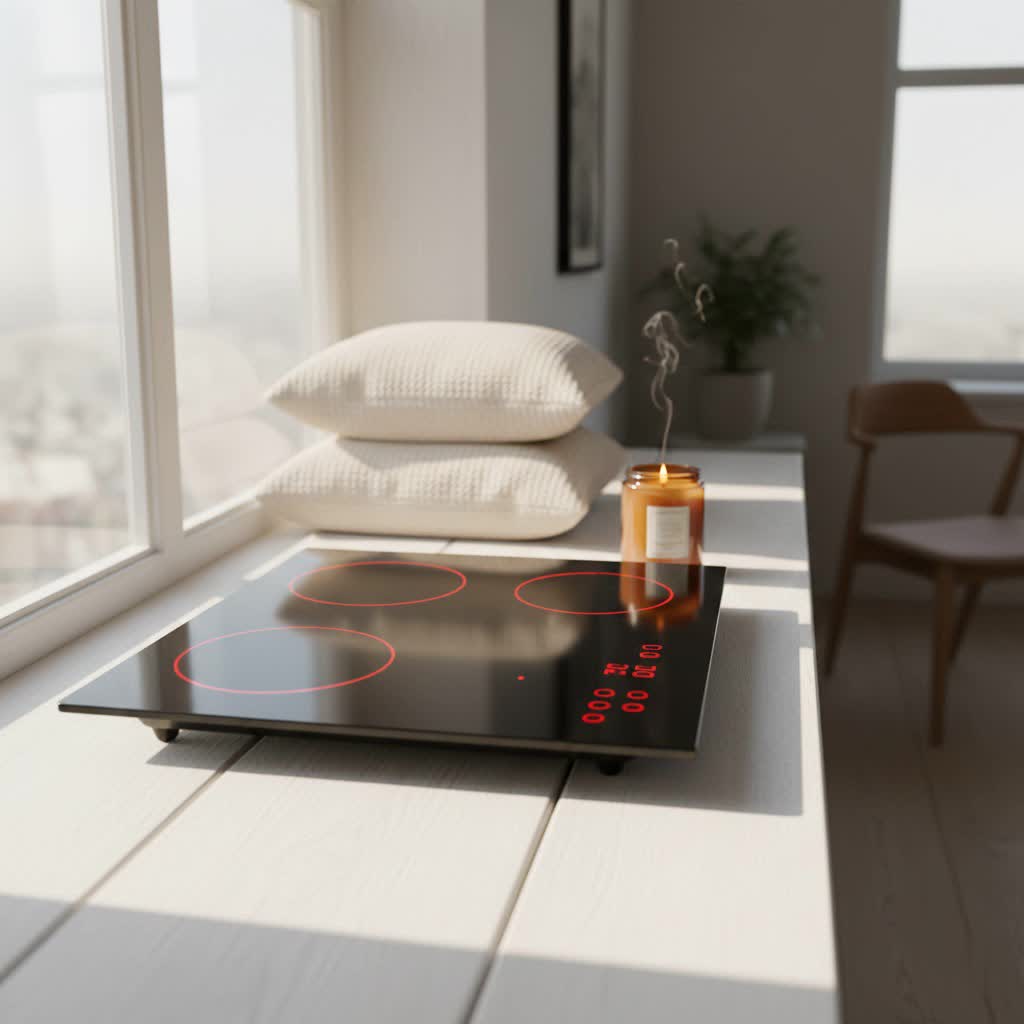
An invisible induction cooktop, also known as a concealed or integrated cooktop, represents a significant leap in kitchen design. Unlike traditional cooktops that sit on or are cut into the counter, these innovative systems are installed directly beneath the countertop. They operate on the principle of electromagnetic induction, a technology where a magnetic field is generated by a coil hidden under the surface. This field directly heats compatible cookware placed on the countertop, while the surrounding surface remains cool to the touch. This means your cooking zone appears only when needed, transforming your counter into a versatile workspace that can seamlessly transition from meal prep to serving. The concept of hidden kitchen appliances has evolved from basic built-ins to truly integrated solutions, with invisible induction cooktops being among the latest advancements.
Advantages and Disadvantages of Invisible Induction Cooktops
Choosing an invisible induction cooktop involves weighing its numerous benefits against its specific considerations.
Advantages:
- Seamless Aesthetics & Maximized Counter Space: The most striking advantage is the uninterrupted countertop surface. When not in use, there are no visible burners, grates, or control panels, creating a remarkably clean, modern, and spacious look. This is particularly beneficial for smaller kitchens where every inch of usable surface is valuable.
- Energy Efficiency & Fast Cooking: Like standard induction cooktops, invisible models are highly energy-efficient. They heat cookware directly and rapidly, minimizing energy loss compared to gas or electric radiant cooktops. This leads to faster cooking times and lower utility bills.
- Enhanced Safety Features: Without an open flame or glowing electric elements, invisible induction cooktops are inherently safer. The surface itself remains relatively cool, reducing the risk of accidental burns. Many models also include features like automatic pan detection and shut-off functions for added security.
- Effortless Cleaning: With no burners, grates, or crevices, cleaning is incredibly simple. Spills can be wiped directly off the smooth countertop surface, making kitchen maintenance a breeze.
|
Our Picks for the Best Induction Cooktop in 2026
As an Amazon Associate I earn from qualifying purchases.
|
||
| Num | Product | Action |
|---|---|---|
| 1 | 30 Inch Gas Cooktop, TOPWISH Gas Stove Top with 5 High Efficiency SABAF Burners, 41400 BTU, NG/LPG Convertible 304 Stainless Steel Built-in Propane Stovetop with Thermocouple Protection, 120V AC |

|
| 2 | Duxtop 1800W Portable Induction Cooktop Countertop Burner, Black 9100MC/BT-M20B |
|
| 3 | Nuwave Pro Chef Induction Cooktop, NSF-Certified, Commercial-Grade, Portable, Powerful 1800W, Large 8” Heating Coil, 94 Temp Settings 100°F - 575°F in 5°F, Shatter-Proof Ceramic Glass Surface |
|
| 4 | VoltCuisine 24 Inch Double Induction Cooktop, Button Control, 1800W Power Sharing, Low Power Continuous Heating, Portable Countertop Electric Cooker |
|
| 5 | Cooktron 2-in-1 Induction Cooktop with Grill Pan – Portable 1 Burner Induction Hot Plate 1800W, Removable Griddle, 10 Power & 5 Temp Levels, Touch & Knob Control for Kitchen or RV Camping |
|
| 6 | Nuwave Flex Precision Induction Cooktop, 10.25” Shatter-Proof Ceramic Glass, 6.5” Heating Coil, 45 Temps from 100°F to 500°F, 3 Wattage Settings 600, 900 & 1300 Watts, Black |
|
| 7 | ChangBERT Induction Cooktop, Commercial Grade Portable Cooker, Large 8” Heating Coil, Premium Stainless Steel Countertop Burner with NSF Certified, 10 Hours Timer Powerful 1800W Professional Hot Plate |
|
| 8 | Duxtop Portable Induction Cooktop Burner, Induction Hot Plate with LCD Sensor Touch 1800 Watts, Silver 9600LS/BT-200DZ |
|
| 9 | ChangBERT Portable Induction Cooktop Enhanced Version, One-Click Max Power 1800W Large Heating Coil Burner, Precise Temperature Control, NSF Certified, Low Noise Hot Plate for Home & Commercial |
|
| 10 | Duxtop 1800W Portable Induction Cooktop Countertop Burner, Gold 8100MC/BT-180G3 |
|
Disadvantages:
- Higher Initial Investment: Invisible induction cooktops generally come with a significantly higher price tag than conventional cooktops, reflecting their advanced technology, specialized installation, and premium design.
- Specific Cookware Requirements: Like all induction systems, these cooktops require ferromagnetic cookware (pots and pans with magnetic bottoms). Aluminum, copper, or glass cookware will not work, potentially requiring an investment in new kitchen tools.
- Countertop Material Compatibility: Not all countertop materials are suitable. Ultra-compact porcelain, certain granite, and marble types (typically between 12mm and 20mm thick) are recommended for optimal performance and heat transfer. This may limit material choices or add to the overall project cost.
- Learning Curve & Burner Visibility Concerns: Users might need time to adjust to cooking on an unmarked surface. While some brands offer etched markings or beeping sounds, the absence of visible indicators can initially pose a challenge, especially regarding burner placement and knowing when a zone is active.
Types of Invisible Induction Cooktops on the Market
Invisible induction cooktops are primarily differentiated by the number of cooking zones they offer and their control mechanisms.
- Burner Configurations: You can find systems ranging from single-burner units for compact spaces or supplementary cooking to multi-zone models with two, three, four, or even five integrated burners. The choice depends on your cooking habits and kitchen size.
- Control Mechanisms: Controls are often discreet, using touch-sensitive areas on the countertop that become visible only when activated, or managed via a dedicated smartphone app, allowing for remote operation and advanced settings.
Invisible Induction Cooktop vs. Traditional Cooktops
Understanding how invisible induction cooktops stack up against other common types is crucial for making an informed decision.
Comparison Table:
| Feature | Invisible Induction Cooktop | Standard Induction Cooktop | Gas Cooktop | Electric Radiant Cooktop |
|---|---|---|---|---|
| Aesthetics | Seamless, hidden | Visible glass surface | Visible grates/burners | Visible heating elements |
| Counter Space | Maximized | Dedicated cooking zone | Dedicated cooking zone | Dedicated cooking zone |
| Energy Efficiency | Very High | High | Medium | Low to Medium |
| Safety | Very High (cool surface) | High (cool surface) | Medium (open flame) | Medium (hot surface) |
| Cleaning Ease | Excellent | Excellent | Moderate | Moderate |
| Price | High | Medium | Low to Medium | Low |
| Cookware | Ferromagnetic | Ferromagnetic | Any | Any |
Factors Influencing Invisible Induction Cooktop Price (Buying Guide)
The cost of an invisible induction cooktop is influenced by several key factors.
- Brand & Technology: Premium brands at the forefront of this technology, such as Invisacook, often command higher prices due to their research, development, and advanced features. Their systems integrate sophisticated induction technology with seamless design.
- Number of Burners/Zones: Generally, units with more cooking zones will be more expensive. A single-burner unit will naturally cost less than a four or five-burner system.
- Power Output & Efficiency: Cooktops with higher wattage ratings and superior energy transfer efficiency may come at a premium. These often offer faster heating and more precise control, enhancing the cooking experience.
- Countertop Material & Installation: The choice of countertop material is critical. Compatible materials like ultra-compact porcelain, certain granite, or marble, which are suitable for milling and heat transfer, can add to the overall cost. Professional installation is mandatory, involving specialized fabrication to mill a 1.5cm space for the cooktop unit beneath the surface. This specialized labor adds to the total project expense.
- Additional Features: Smart home integration, highly precise temperature controls, advanced safety sensors, and user-friendly interfaces (like app control) can all contribute to a higher price point.
- Warranty & Support: Comprehensive warranties and robust customer support from reputable manufacturers can also be factored into the overall value proposition and price.
Leading Brands in Invisible Induction Cooktop Technology
While the market for truly invisible induction cooktops is still emerging, Invisacook stands out as a pioneering and prominent brand. They are widely recognized for their integrated systems that allow cooking directly on the countertop. As the technology gains wider adoption, more manufacturers may enter this niche, but currently, Invisacook is a leading name associated with these innovative solutions.
Installation and Maintenance of Invisible Induction Cooktops
Proper installation is paramount for an invisible induction cooktop. These units are designed to be mounted underneath a compatible countertop. This process typically requires professional fabrication, where a precise space is milled into the countertop material (e.g., ultra-compact porcelain, granite, or marble) to ensure the induction coils are positioned correctly for effective heat transfer. This specialized installation ensures both functionality and the desired seamless aesthetic.
Maintenance, once installed, is remarkably simple. Since the cooking surface is literally your countertop, there are no grates, coils, or traditional cooktop surfaces to scrub. Spills are easily wiped away from the smooth, non-porous surface, making cleanup effortless. To prolong the lifespan of the unit, ensure that only compatible cookware is used and adhere to any specific cleaning guidelines for your countertop material.
How Much Does an Invisible Induction Cooktop Cost?
The price of an invisible induction cooktop reflects its advanced technology, innovative design, and specialized installation requirements. While some basic induction hot plates might be found at very low prices on platforms like Alibaba, a genuine, fully integrated “invisible” system designed to cook through your countertop typically starts at a significant investment.
For a quality invisible induction cooktop system, prices typically begin around $3,000 USD for the unit itself. For example, a 5-burner Invisacook unit has been observed priced at approximately $3,500.00. This cost can increase substantially depending on the brand, number of burners, power output, and integrated smart features.
It’s crucial to remember that the unit price is just one component of the total cost. You must also factor in:
- Compatible Countertop Material: If your existing countertop isn’t suitable, the cost of purchasing and installing a new, compatible material (like ultra-compact porcelain) will be a major addition.
- Professional Fabrication and Installation: The specialized labor required to mill the countertop and install the induction unit precisely beneath it is a significant cost. This is not a DIY project and requires skilled professionals.
- Compatible Cookware: If you don’t already own ferromagnetic pots and pans, you’ll need to purchase a new set.
Considering all these elements, the total investment for a fully functional invisible induction cooktop setup can range from $5,000 to $10,000 or more, depending on the project’s scope and chosen specifications.
Conclusion
Invisible induction cooktops represent the zenith of modern kitchen design, offering a harmonious blend of high performance and unparalleled minimalist aesthetics. While the initial price point is notably higher than that of conventional cooking appliances, the investment delivers a kitchen that is not only exceptionally functional and efficient but also a true work of art. The cost reflects cutting-edge technology, enhanced safety, ease of cleaning, and the luxury of maximizing every inch of your kitchen counter space. For those who prioritize a sleek, uncluttered environment and embrace innovative solutions, an invisible induction cooktop is a compelling choice that elevates the entire culinary experience. Is your vision for the perfect kitchen ready for this invisible revolution?
Frequently Asked Questions
Are invisible induction cooktops safe to use?
Yes, invisible induction cooktops are considered very safe. They only heat the compatible cookware, leaving the surrounding countertop cool to the touch, which significantly reduces the risk of burns compared to gas flames or hot electric elements. Many models also include safety features like automatic shut-off and pan detection.
What kind of cookware do invisible induction cooktops require?
Invisible induction cooktops, like all induction systems, require cookware with a ferromagnetic (magnetic) base. Materials such as cast iron, magnetic stainless steel, and enamelled steel are compatible. Aluminum, copper, or glass cookware will not work unless they have a built-in magnetic layer.
Can any countertop be used with an invisible induction cooktop?
No, not all countertop materials are suitable. Invisible induction cooktops require specific materials that allow electromagnetic energy to pass through efficiently while withstanding the cooking process. Ultra-compact porcelain, certain types of granite, and marble (typically 12mm to 20mm thick) are generally recommended.
How does an invisible induction cooktop work?
An invisible induction cooktop works by generating electromagnetic fields from coils installed beneath your countertop. When compatible magnetic cookware is placed on the counter above these coils, the magnetic field induces eddy currents within the cookware, which rapidly heat the pot or pan directly. The countertop itself remains cool because it is not directly heated.
