The modern kitchen is constantly evolving, with homeowners increasingly seeking appliances that blend cutting-edge technology with sophisticated design and exceptional performance. Among the array of choices, LG induction cooktops stand out as a premier solution, offering a cooking experience that is faster, safer, and more energy-efficient than traditional methods. If you’re considering an upgrade or building your dream kitchen, understanding the unique benefits and features of an LG induction cooktop is essential. This comprehensive guide will walk you through the world of induction cooking, highlight LG’s contributions to this technology, and help you determine if an LG induction cooktop is the perfect fit for your culinary needs and lifestyle.
What is an Induction Cooktop?
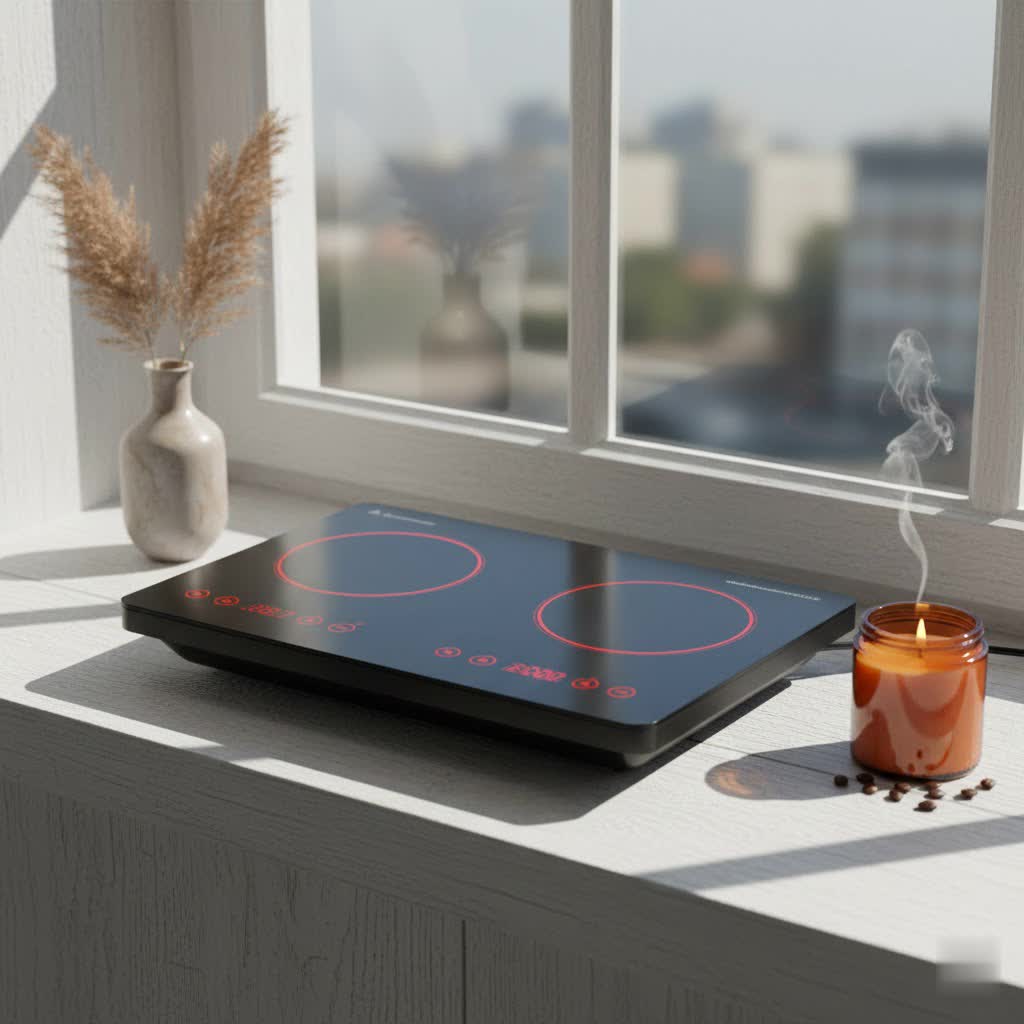
An induction cooktop represents a significant leap in cooking technology. Unlike gas or traditional electric radiant cooktops that generate heat through flames or glowing elements, an induction cooktop uses electromagnetic fields to directly heat your cookware. Beneath its smooth, glass-ceramic surface are coils that create these magnetic fields. When a compatible (magnetic) pot or pan is placed on an element, the field induces an electric current within the cookware itself, causing it to heat up rapidly and efficiently. The cooktop surface outside the cooking zone remains cool to the touch, only getting warm from the residual heat of the pan. This innovative principle transforms your pots and pans into the primary heat source, delivering unparalleled control and safety.
Advantages and Disadvantages of Induction Cooktops
Induction technology, and specifically LG’s implementation of it, offers a compelling list of advantages alongside a few considerations. Understanding these can help you make an informed decision for your home.
Advantages:
- High Energy Efficiency: Induction cooking is remarkably efficient because it heats the cookware directly, with minimal energy loss to the surrounding environment. This means less wasted energy and potentially lower utility bills.
- Enhanced Safety: Without an open flame or glowing hot elements, induction cooktops significantly reduce the risk of burns and kitchen fires. The surface outside the magnetic field remains relatively cool, and many LG models include automatic shut-off features when no pan is detected, as well as child safety locks.
- Effortless Cleaning: The flat, smooth glass-ceramic surface of an LG induction cooktop makes cleanup a breeze. Spills and splatters don’t bake onto a hot surface, allowing for easy wiping with a damp cloth, often with LG’s EasyClean technology.
- Precise Temperature Control: Induction offers incredibly precise heat adjustments, allowing you to go from a rolling boil to a delicate simmer almost instantly. This responsiveness provides a level of control that can rival gas cooktops, making it ideal for delicate sauces or searing meats.
- Rapid Cooking Speed: With features like LG’s Power Boost, induction cooktops can bring water to a boil in a fraction of the time compared to conventional cooktops. This speed is a game-changer for busy households and quick meal preparation.
|
Our Picks for the Best Induction Cooktop in 2026
As an Amazon Associate I earn from qualifying purchases.
|
||
| Num | Product | Action |
|---|---|---|
| 1 | Duxtop 1800W Portable Induction Cooktop Countertop Burner, Black 9100MC/BT-M20B |

|
| 2 | ChangBERT Induction Cooktop, Commercial Grade Portable Cooker, Large 8” Heating Coil, Premium Stainless Steel Countertop Burner with NSF Certified, 10 Hours Timer Powerful 1800W Professional Hot Plate |
|
| 3 | Nuwave Flex Precision Induction Cooktop, 10.25” Shatter-Proof Ceramic Glass, 6.5” Heating Coil, 45 Temps from 100°F to 500°F, 3 Wattage Settings 600, 900 & 1300 Watts, Black |
|
| 4 | ChangBERT Portable Induction Cooktop Enhanced Version, One-Click Max Power 1800W Large Heating Coil Burner, Precise Temperature Control, NSF Certified, Low Noise Hot Plate for Home & Commercial |
|
| 5 | Duxtop Portable Induction Cooktop Burner, Induction Hot Plate with LCD Sensor Touch 1800 Watts, Silver 9600LS/BT-200DZ |
|
| 6 | VoltCuisine 24 Inch Double Induction Cooktop, Button Control, 1800W Power Sharing, Low Power Continuous Heating, Portable Countertop Electric Cooker |
|
| 7 | Cooktron 2-in-1 Induction Cooktop with Grill Pan – Portable 1 Burner Induction Hot Plate 1800W, Removable Griddle, 10 Power & 5 Temp Levels, Touch & Knob Control for Kitchen or RV Camping |
|
| 8 | Duxtop 1800W Portable Induction Cooktop Countertop Burner, Gold 8100MC/BT-180G3 |
|
| 9 | Nuwave Pro Chef Induction Cooktop, NSF-Certified, Commercial-Grade, Portable, Powerful 1800W, Large 8” Heating Coil, 94 Temp Settings 100°F - 575°F in 5°F, Shatter-Proof Ceramic Glass Surface |
|
| 10 | 30 Inch Gas Cooktop, TOPWISH Gas Stove Top with 5 High Efficiency SABAF Burners, 41400 BTU, NG/LPG Convertible 304 Stainless Steel Built-in Propane Stovetop with Thermocouple Protection, 120V AC |
|
Disadvantages:
- Higher Initial Cost: Induction cooktops generally have a higher upfront purchase price than their gas or traditional electric counterparts, although the energy savings can offset this over time.
- Cookware Compatibility: This is perhaps the most significant consideration. Induction cooktops require cookware with a magnetic base. While many common materials like cast iron and magnetic stainless steel work perfectly, aluminum, copper, and glass pots will not. LG addresses this with a helpful “Cookware Compatibility Indicator” on some models.
- Potential for Minor Noise: While generally quiet, some users might notice a faint humming or buzzing sound, particularly at higher power settings or when using certain types of cookware. This is typically the sound of the internal cooling fan or the electromagnetic vibrations in the pan itself.
- Stable Power Requirements: Induction cooktops are powerful appliances and may require a dedicated electrical circuit to ensure stable and optimal performance, which could involve minor electrical work during installation.
Popular Types of Induction Cooktops on the Market
The world of induction cooking offers various configurations to suit different kitchen layouts and cooking preferences. While the core technology remains the same, how it’s presented can vary:
- Single Induction Cooktop: These are compact, portable units, often used as an extra burner or in small spaces.
- Double Induction Cooktop: Offering two cooking zones, these are also relatively compact and suitable for smaller kitchens or supplementary use.
- Multi-Zone Induction Cooktops: Most commonly found in built-in installations, these feature three to five or more cooking zones. LG, for instance, offers models with four or five elements.
- Bridge-Enabled Induction Cooktops: A highly versatile type, these cooktops (like some LG Studio models) allow you to combine two smaller cooking zones into one larger “bridged” zone. This is perfect for accommodating oversized cookware such as griddles, large roasting pans, or fish kettles, offering flexible cooking surface options.
- Built-in vs. Freestanding (Range): Induction cooktops are primarily available as built-in units that seamlessly integrate into your countertop for a sleek, modern look. However, induction technology is also incorporated into freestanding ranges, which combine the induction cooktop with an oven below, offering an all-in-one solution. LG offers both dedicated cooktops and induction ranges.
Comparing Induction Cooktops with Other Cooktop Types
To truly appreciate the value of an LG induction cooktop, it’s helpful to compare it against the established alternatives: gas and traditional electric radiant cooktops.
| Feature | Induction Cooktop | Gas Cooktop | Electric (Radiant) Cooktop |
|---|---|---|---|
| Energy Efficiency | High | Medium | Low |
| Safety | High (cool surface, no flame) | Low (open flame, gas leaks) | Medium (hot surface after use) |
| Cooking Speed | Fast (instant heat) | Medium (visual flame response) | Slow (element heats up) |
| Initial Cost | High | Medium | Low |
| Cookware Flexibility | Low (magnetic only) | High (any cookware) | Medium (flat-bottomed) |
| Cleaning Ease | High (flat, cool surface) | Low (grates, baked-on spills) | Medium (baked-on spills) |
| Indoor Air Quality | Excellent (no combustion) | Moderate (combustion byproducts) | Good |
Induction cooktops clearly win in efficiency, safety, speed, and cleaning ease. While gas offers visual feedback and universal cookware compatibility, it falls short on efficiency and indoor air quality. Traditional electric radiant cooktops are generally the most affordable but lag behind in performance and safety.
Criteria for Choosing an LG Induction Cooktop
Selecting the perfect LG induction cooktop involves considering several key factors to ensure it meets your specific cooking habits, kitchen aesthetics, and budget.
- Power (kW Elements): Pay attention to the power ratings of the elements, often measured in kilowatts (kW). LG’s UltraHeat™ elements, for example, boast high power outputs (e.g., 4.3kW or 5.0kW) for incredibly fast heating and boiling. Higher power generally means faster and more responsive cooking.
- Size and Design: LG offers induction cooktops in popular sizes like 30-inch and 36-inch, as well as induction ranges. Consider the available space in your kitchen and your preferred aesthetic. LG models typically feature sleek, black glass surfaces with precise bezel edges for a premium, integrated look.
- Number of Cooking Zones and Flexibility: Determine how many cooking zones you typically use simultaneously. Many LG cooktops offer four or five zones. Look for advanced features like “bridge elements” or “dual elements” that allow you to combine two zones for larger, oddly shaped pans, providing greater versatility in your cooking.
- Safety Features: Prioritize safety, especially if you have children or pets. LG induction cooktops often include a child safety lock to prevent accidental operation, an automatic shut-off feature if a pan is removed or overheats, and a residual heat indicator light to warn you if a zone is still warm from the pan.
- Smart Features (ThinQ, Wi-Fi): LG’s ThinQ technology often enables Wi-Fi connectivity. While functionality can be limited (e.g., monitoring burner status or setting timers), it offers a layer of modern convenience for remote checking. Understand what specific smart features are included and how they align with your needs.
- Cookware Compatibility Indicator: Some advanced LG models include a “Cookware Compatibility Indicator” that rates your pots and pans on a scale (e.g., 0-10) to show how efficiently they will work on the induction surface. This feature can be invaluable if you’re unsure about your existing cookware.
- Brand Reputation and Warranty: LG is a reputable brand known for its innovative appliances. Research LG’s specific warranty for induction cooktops and read customer reviews to gauge long-term reliability and customer service experiences.
- Price Point: Set a realistic budget. While induction cooktops are an investment, LG offers models across different price points, allowing you to find a balance between features and affordability.
Top Induction Cooktop Brands
When exploring induction cooktops, LG consistently emerges as a strong contender, celebrated for its innovative features, stylish designs, and reliable performance. However, the market also features other reputable brands that offer excellent induction solutions. Brands like Bosch are often praised for their precise controls and robust build quality, while Samsung offers a competitive range of feature-rich induction cooktops and ranges, often with smart connectivity. KitchenAid is another brand known for its professional-grade performance and appealing aesthetics. Each brand brings its unique strengths to the table, but LG stands out by combining powerful cooking capabilities with user-friendly interfaces and smart technology integrations, making it a top choice for many modern kitchens.
LG Induction Cooktop Models: A Closer Look
LG offers a range of induction cooktops and induction ranges, each designed to cater to different kitchen needs and aesthetic preferences. These models typically boast LG’s signature blend of power, precision, and sleek design.
For instance, the LG 30-inch Smart Induction Cooktop with UltraHeat™ 4.3kW Element (e.g., CBIH3013BE) is a popular choice for many kitchens, offering robust power in a compact form factor. It delivers fast boiling and precise temperature adjustments through its smooth electronic controls.
For those needing more cooking space, the LG 36-inch Smart Induction Cooktop with UltraHeat™ 4.3kW Element (e.g., CBIH3613BE) expands on the 30-inch model, providing additional cooking zones and surface area. The larger size is ideal for avid home cooks who frequently use multiple pans simultaneously.
At the premium end, models like the LG 36-inch Smart Induction Cooktop with UltraHeat™ 5.0kW Element (e.g., CBIH3617BE) or the LG Studio 36-inch Induction Cooktop (e.g., CBIS3618BE) integrate even more advanced features. The 5.0kW element offers LG’s most powerful boost for rapid heating, while Studio models often incorporate a “dual element” or “bridge function,” allowing two heating zones to be combined. This is incredibly useful for large griddles or roasting pans, providing unparalleled flexibility.
LG’s induction technology is also integrated into their slide-in electric ranges, such as the LG 6.3 Cu. Ft. Slide-In Electric Induction True Convection Range (e.g., LSE4616ST or LSE4617ST). These units combine the efficiency and precision of an induction cooktop with the even baking and roasting capabilities of an LG convection oven, offering a comprehensive cooking solution. Across all these models, you’ll find common LG hallmarks like intuitive SmoothTouch™ controls, easy-to-clean glass surfaces, and built-in safety features like child locks and automatic pan detection.
How to Use and Maintain Your LG Induction Cooktop
Maximizing the lifespan and performance of your LG induction cooktop involves understanding its proper use and routine maintenance.
-
Safe and Efficient Usage:
- Use Compatible Cookware: Always ensure your pots and pans have a magnetic base. A simple magnet test can confirm compatibility.
- Match Pan to Zone: Place cookware centrally on the appropriate sized cooking zone for optimal efficiency and even heating. LG’s Cookware Compatibility Indicator can assist here.
- Avoid Empty Pans: Do not preheat empty pans on high settings, as they can heat up almost instantaneously and potentially warp. Always add oil, water, or food first.
- Leverage Power Boost: Use the Power Boost function for rapid boiling or searing, but be mindful of its intensity and monitor your cooking closely.
- Utilize Precision Controls: Experiment with the precise temperature settings. Induction allows for very fine adjustments, which can significantly improve cooking results for various dishes.
-
Cleaning and Care:
- Daily Wipe-Down: After each use, once the surface has cooled (indicated by the absence of a residual heat light), wipe the glass surface with a damp cloth and mild dish soap to remove spills and food debris.
- Tackle Tough Stains: For stubborn, baked-on food, use a specialized ceramic cooktop cleaner and a non-abrasive scrubber. Avoid harsh chemicals, abrasive pads, or razor blades unless specifically recommended for your model, as they can scratch the glass.
- Prevent Scratches: Always lift pots and pans rather than sliding them across the surface. Ensure the bottom of your cookware is clean and smooth. Avoid placing rough-bottomed or heavy items directly on the cooktop when not cooking.
- Clean Control Panel: Gently wipe the SmoothTouch™ control panel to keep it responsive and hygienic.
-
Troubleshooting Common Issues:
- Pan Not Detected: If a burner isn’t activating, ensure the pan is magnetic, flat-bottomed, and centered on the cooking zone. The Cookware Compatibility Indicator can help identify if your pan is the issue.
- Unusual Noises: A low hum or buzz, especially at higher settings, is normal. It’s usually the sound of the induction coils or the cooling fan. A rattling sound might indicate incompatible cookware or loose elements.
- Error Codes: Consult your LG owner’s manual for explanations of any error codes displayed and recommended troubleshooting steps.
Conclusion
LG induction cooktops represent the pinnacle of modern kitchen technology, offering a harmonious blend of style, safety, and superior performance. From their rapid heating and precise temperature control to their energy efficiency and effortless cleaning, they provide an elevated cooking experience that transforms daily meal preparation. While the initial investment and the need for compatible cookware are factors to consider, the long-term benefits in terms of convenience, safety, and culinary precision make an LG induction cooktop a worthwhile addition to any contemporary home. By understanding the advantages, specific features like UltraHeat™ elements and dual zones, and proper maintenance, you can confidently choose an LG induction cooktop that not only meets your needs but inspires your passion for cooking. Are you ready to revolutionize your kitchen with the intelligent power of LG induction?
Frequently Asked Questions
What kind of cookware do I need for an LG induction cooktop?
LG induction cooktops require cookware with a magnetic bottom. Materials like cast iron, magnetic stainless steel, and enamel-on-steel are compatible. To test, simply stick a magnet to the bottom of your pan; if it holds, it will work. Some LG models even feature a “Cookware Compatibility Indicator” to help you assess your pots and pans.
Are LG induction cooktops noisy?
Induction cooktops, including LG models, are generally quiet. However, you might hear a faint humming or buzzing sound, especially at higher power settings. This is typically due to the internal cooling fan or the vibration of the electromagnetic field interacting with certain cookware. This is considered normal operation and is usually very subtle.
How do LG induction cooktops compare in energy efficiency?
LG induction cooktops are highly energy-efficient. They heat the cookware directly through electromagnetic fields, minimizing heat loss to the surrounding air. This makes them significantly more efficient than gas cooktops (which lose heat to the environment) and traditional electric radiant cooktops (where elements heat up before transferring heat to the pan).
Can I control my LG induction cooktop with a smartphone app?
Many LG induction cooktops feature ThinQ technology, enabling Wi-Fi connectivity. While app control for safety reasons may be limited (e.g., you typically cannot remotely turn on a burner), you can often use the app to monitor cooking timers, check burner status, or receive diagnostics, adding a layer of smart convenience.
How do I clean my LG induction cooktop?
Cleaning an LG induction cooktop is straightforward due to its smooth glass-ceramic surface. After the surface has cooled down (when the residual heat indicator light is off), simply wipe away spills with a damp cloth and mild dish soap. For tougher, baked-on stains, use a ceramic cooktop cleaner and a non-abrasive pad, always lifting pots to prevent scratches.
