The modern kitchen is a hub of innovation, constantly evolving to meet the demands of discerning home cooks. Among the most transformative advancements in recent years is the rise of the induction cooktop and oven combination, commonly known as an induction range. These appliances bring a fusion of cutting-edge technology, sleek design, and unparalleled cooking performance to your culinary space. If you’re considering an upgrade that promises faster cooking, greater safety, and precise control, understanding the world of induction ranges is your first step. This comprehensive guide will delve into what makes these appliances exceptional, exploring their benefits, drawbacks, types, and essential factors to consider when choosing the perfect model for your home.
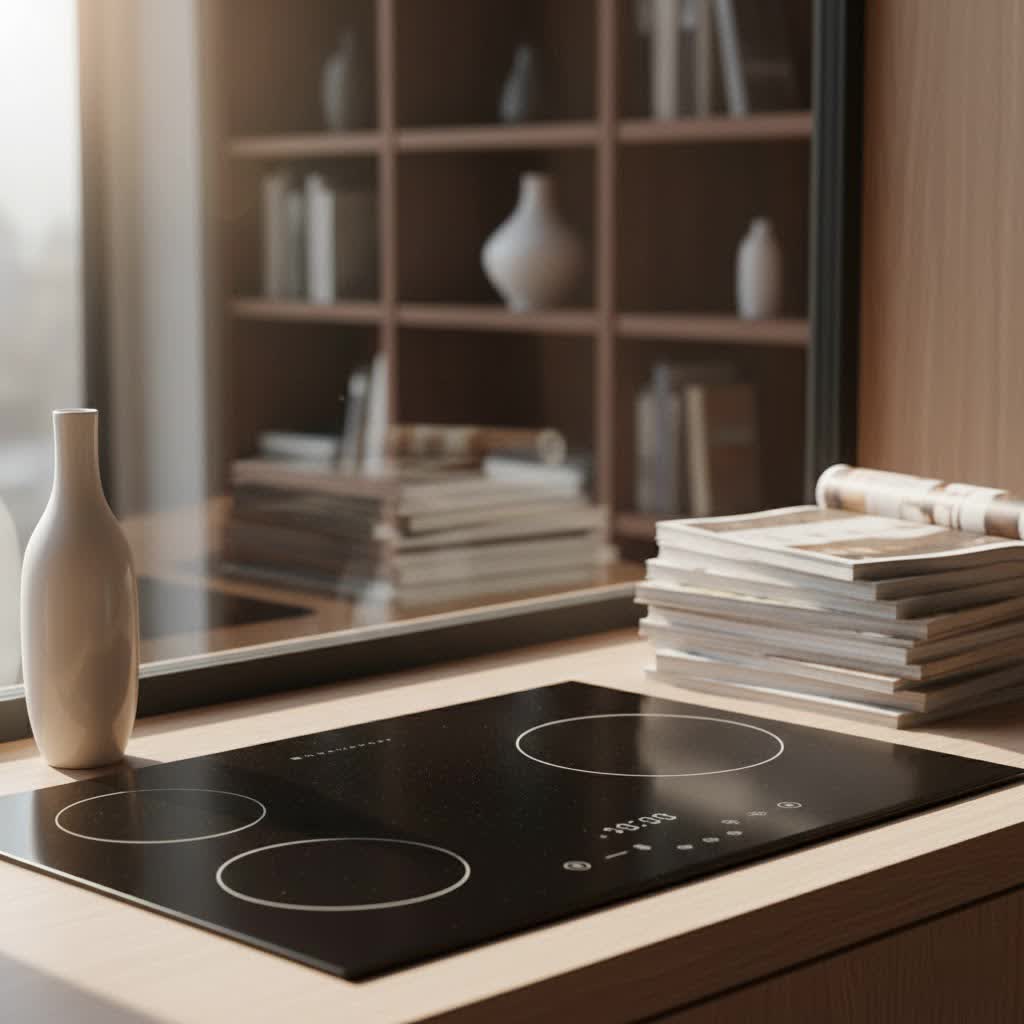
What is an Induction Cooktop and Oven (Induction Range)?
An induction cooktop and oven, often referred to as an induction range, is a single kitchen appliance that integrates an induction cooktop on top with a conventional electric oven below. The cooktop operates on the principle of electromagnetic induction, a truly innovative method of heat generation. Instead of using radiant heat from a coil or an open flame, an induction cooktop creates an electromagnetic field that directly heats magnetic cookware placed on its surface. This means the heat is generated within the pot or pan itself, not by a hot burner, making it incredibly efficient and responsive. The oven component typically uses standard electric heating elements, often incorporating advanced features like convection to ensure even baking and roasting.
Advantages and Disadvantages of Induction Ranges
Choosing an induction range comes with a host of benefits, alongside a few considerations to keep in mind.
Advantages:
- High Energy Efficiency: Induction cooking is remarkably efficient, transferring up to 90% of its energy directly to the cookware. This significantly reduces heat loss into the kitchen environment, making it more energy-efficient than traditional electric (5-10% more efficient) or gas stoves (three times more efficient).
- Enhanced Safety: Without an open flame or glowing electric coil, the cooktop surface remains relatively cool to the touch, drastically reducing the risk of accidental burns. Induction ranges also feature automatic shut-off when cookware is removed, further enhancing safety.
- Precise Temperature Control: Induction offers instantaneous and precise temperature adjustments, akin to cooking with gas but with finer control. You can go from a rolling boil to a gentle simmer in seconds, preventing boil-overs and overcooking.
- Rapid Cooking Times: The direct heating method means water boils significantly faster on an induction cooktop—often 2-4 minutes quicker than electric or gas, with some models boiling 6 quarts of water in under 10 minutes.
- Effortless Cleaning: Since the cooktop surface doesn’t get extremely hot, spills don’t bake onto the glass. This makes cleaning incredibly easy, usually requiring just a simple wipe-down.
- Sleek, Modern Design: Induction ranges typically feature a smooth, flat glass surface that contributes to a minimalist and contemporary kitchen aesthetic.
|
Our Picks for the Best Induction Cooktop in 2026
As an Amazon Associate I earn from qualifying purchases.
|
||
| Num | Product | Action |
|---|---|---|
| 1 | Duxtop Portable Induction Cooktop Burner, Induction Hot Plate with LCD Sensor Touch 1800 Watts, Silver 9600LS/BT-200DZ |

|
| 2 | ChangBERT Portable Induction Cooktop Enhanced Version, One-Click Max Power 1800W Large Heating Coil Burner, Precise Temperature Control, NSF Certified, Low Noise Hot Plate for Home & Commercial |
|
| 3 | Nuwave Flex Precision Induction Cooktop, 10.25” Shatter-Proof Ceramic Glass, 6.5” Heating Coil, 45 Temps from 100°F to 500°F, 3 Wattage Settings 600, 900 & 1300 Watts, Black |
|
| 4 | ChangBERT Induction Cooktop, Commercial Grade Portable Cooker, Large 8” Heating Coil, Premium Stainless Steel Countertop Burner with NSF Certified, 10 Hours Timer Powerful 1800W Professional Hot Plate |
|
| 5 | VoltCuisine 24 Inch Double Induction Cooktop, Button Control, 1800W Power Sharing, Low Power Continuous Heating, Portable Countertop Electric Cooker |
|
| 6 | Cooktron 2-in-1 Induction Cooktop with Grill Pan – Portable 1 Burner Induction Hot Plate 1800W, Removable Griddle, 10 Power & 5 Temp Levels, Touch & Knob Control for Kitchen or RV Camping |
|
| 7 | Nuwave Pro Chef Induction Cooktop, NSF-Certified, Commercial-Grade, Portable, Powerful 1800W, Large 8” Heating Coil, 94 Temp Settings 100°F - 575°F in 5°F, Shatter-Proof Ceramic Glass Surface |
|
| 8 | 30 Inch Gas Cooktop, TOPWISH Gas Stove Top with 5 High Efficiency SABAF Burners, 41400 BTU, NG/LPG Convertible 304 Stainless Steel Built-in Propane Stovetop with Thermocouple Protection, 120V AC |
|
| 9 | Duxtop 1800W Portable Induction Cooktop Countertop Burner, Black 9100MC/BT-M20B |
|
| 10 | Duxtop 1800W Portable Induction Cooktop Countertop Burner, Gold 8100MC/BT-180G3 |
|
Disadvantages:
- Higher Initial Cost: Induction ranges generally have a higher upfront price tag compared to traditional electric or gas models, as the technology is more advanced. However, costs are decreasing as the technology becomes more mainstream, and energy savings can offset this investment over time.
- Requires Specific Cookware: Induction cooktops only work with magnetic cookware. While many stainless steel and cast iron pots and pans are compatible, older aluminum or copper cookware may need to be replaced. A simple magnet test can determine compatibility.
- Potential for Minor Noise: Some users report a slight buzzing or humming sound at higher settings, which results from the energy transfer to the pan. This noise is often minimal and can be reduced with heavy, flat-bottomed cookware.
- Electrical Requirements: Induction ranges typically require a stable, dedicated 240-volt electrical outlet, and some high-performance professional models may need a 50-amp circuit, which might necessitate electrical upgrades.
- Learning Curve: The speed and responsiveness of induction cooking can require a period of adjustment for those accustomed to gas or traditional electric stoves.
Types of Induction Cooktops and Ovens
Induction ranges come in various configurations to suit different kitchen layouts and aesthetic preferences:
- Freestanding Induction Ranges: These are the most common type, designed to fit into a cutout between cabinets. They often feature finished sides and controls located on the backguard.
- Slide-in Induction Ranges: Offering a more custom, built-in appearance, slide-in ranges typically sit flush with countertops and have front-mounted controls, providing a sleeker look.
- Induction Cooktops Paired with Wall Ovens: For maximum design flexibility and ergonomic benefits, some homeowners opt for a separate induction cooktop installed in the counter and a wall oven mounted at eye-level.
- Smart Induction Ranges: Many modern induction ranges incorporate Wi-Fi connectivity, allowing for remote control via smartphone apps, guided cooking features, and integration with smart home ecosystems.
Induction Ranges vs. Other Range Types
Understanding how induction stacks up against its counterparts is crucial for making an informed decision.
Comparison Table:
| Feature | Induction Range | Gas Range | Electric Range |
|---|---|---|---|
| Energy Efficiency | Very High (90%) | Medium (30-55%) | Low/Medium (70-80%) |
| Safety | Very High | Low/Medium | Medium |
| Cooking Speed | Very Fast | Fast/Medium | Medium/Slow |
| Temperature Control | Excellent (Instant) | Good (Visual) | Fair (Lag time) |
| Initial Cost | High | Medium | Low/Medium |
| Cookware | Magnetic only | Any | Any (flat bottom) |
| Cleaning | Easiest | Moderate | Moderate |
| Indoor Air Quality | Excellent (No emissions) | Poor (Emissions) | Good |
Buying Guide: Key Factors for Choosing an Induction Range
Selecting the right induction range involves considering several important criteria to ensure it perfectly aligns with your cooking habits and kitchen design.
- Power Output (Wattage): Higher wattage burners (e.g., 3,700-4,200 watts) offer faster heating and boil times. Consider models with a range of wattages for different cooking needs.
- Size and Design: Standard ranges are 30 inches wide, but 36-inch and larger options are available. Decide between freestanding and slide-in based on your kitchen layout and desired aesthetic.
- Number and Size of Cooking Zones: Most induction cooktops have four or five burners. Look for features like bridge elements that allow you to combine two zones for larger griddles or roasting pans.
- Oven Capacity and Features: Oven capacities typically range from 4.5 to over 6 cubic feet. Look for convection technology for even baking, self-cleaning cycles, and specialized modes like air fry or steam cook. Double ovens offer increased flexibility.
- Safety Features: Essential safety features include child lock functions, automatic shut-off, and residual heat indicators that alert you if a zone is still warm after cooking. Bosch’s SafeStart feature, for instance, only heats when cookware is properly placed.
- Brand Reputation and Reliability: Research brands known for quality and good customer service. Some brands like LG are noted for reliability due to in-house component manufacturing.
- Budget: Induction ranges vary widely in price. Determine a budget that balances desired features with affordability.
- Smart Features: Many modern ranges offer Wi-Fi connectivity for remote control, recipe assistance, and diagnostics, enhancing convenience.
Top Induction Range Brands
The market offers a robust selection of induction ranges from reputable manufacturers, each with unique strengths:
- GE Profile: Known for versatile cooktops with precise control, Power Boil burners, and smart features like Guided Cooking and Chef Connect.
- Cafe: A GE sister brand, Cafe ranges offer premium features, often with a focus on customizable aesthetics, smart connectivity, and robust double oven options.
- LG: Praised for reliability, large oven capacities (some up to 6.3 cubic feet), and innovative features like Air Fry and Air Sous Vide modes.
- Samsung: Offers sleek designs, touch controls, and competitive performance, often including features like an AI-powered Smart Oven Camera and a unique blue virtual flame for visual feedback.
- Bosch: Renowned for sleek European design, reliable performance, and excellent safety features like SafeStart.
- Frigidaire: A great option for value, offering reliable induction performance and convection ovens at an affordable price point.
- Miele: A high-end brand offering top-notch performance, intuitive controls, and advanced features like Moisture Plus technology and a Wireless Precision Probe.
- Wolf: Known for professional-grade performance, powerful boost elements, bridge zones, and advanced convection systems, often with guided cooking and customizable designs.
- Thermador: Features like the “Liberty top” for flexible cooking zones and powerful elements make them a premium choice for serious cooks.
Hướng Dẫn Sử Dụng và Bảo Quản Bếp Từ
Proper use and maintenance are key to maximizing the lifespan and performance of your induction range.
- Safe and Efficient Use: Always use induction-compatible cookware with flat bottoms. Ensure pans are centered on the cooking zones. Avoid leaving empty pans on high heat.
- Cleaning: For daily cleaning, simply wipe the cooled glass cooktop with a soft cloth and a mild cleaner. For tougher spills, a ceramic cooktop cleaner is effective. Avoid abrasive pads or harsh chemicals that can scratch the surface. The oven often features self-cleaning or steam cleaning options.
- Common Issues & Troubleshooting:
- Cooktop not heating: Check if your cookware is magnetic. Ensure the pot is properly centered and large enough for the zone.
- Unusual noises (humming/buzzing): This is often normal, especially at higher settings or with certain types of cookware. Switching to heavier, flat-bottomed pans can help.
- Error codes: Consult your appliance manual for specific error code meanings and troubleshooting steps.
- Extending Lifespan: Regular, gentle cleaning prevents food from burning onto the surface. Avoid dropping heavy items on the glass cooktop. If you notice any persistent issues, consider professional servicing.
Bảng So Sánh Các Mẫu Bếp Từ Tốt Nhất Hiện Nay
| Mẫu bếp | Thương hiệu | Công suất (Max Burner) | Số vùng nấu | Tính năng nổi bật | Giá tham khảo (USD) |
|---|---|---|---|---|---|
| GE Profile PHS930YPFS | GE Profile | 3,700W | 5 | Guided Cooking, Chef Connect, Convection | $2,500 – $3,000 |
| LG LSIL6336FE | LG | 3,900W | 4 | Air Fry, Air Sous Vide, ProBake Convection | $1,900 – $2,500 |
| Samsung Bespoke NSI6DB990012AA | Samsung | 3,600W | 4 | AI Smart Oven Camera, Virtual Flame, Convection | $3,000 – $3,500 |
| Frigidaire GCRI3058AF | Frigidaire | 3,400W | 4 | Quick Preheat, Fan Convection, Affordable | $1,000 – $1,500 |
| Bosch 800 Series HII8057U | Bosch | 3,700W | 4 | SafeStart, European Convection, Warming Drawer | $3,500 – $4,500 |
Note: Prices are approximate and can vary based on retailer, promotions, and specific features.
Kết luận
The induction cooktop and oven combination represents the pinnacle of modern cooking technology, offering a compelling blend of speed, precision, energy efficiency, and safety. While the initial investment might be higher and specific cookware is required, the long-term benefits of an induction range—from perfectly cooked meals to a cooler, safer kitchen environment—make it a truly worthwhile upgrade. With continuous advancements in features and design, these appliances are not just tools for cooking; they are integral components of a smart, efficient, and enjoyable culinary lifestyle. Are you ready to embrace the future of cooking with an induction range?
Frequently Asked Questions
Is induction cooking safe for pacemakers?
While most modern pacemakers are shielded from electromagnetic interference, it is advisable for individuals with pacemakers or other implanted medical devices to consult their doctor or the device manufacturer before using an induction cooktop. Maintain a distance of at least 12 inches from the cooktop while it’s in operation.
Can I use any pot on an induction cooktop?
No, induction cooktops only work with ferromagnetic (magnetic) cookware. This includes cast iron, most stainless steel, and pots and pans with a magnetic base. You can test your existing cookware by placing a magnet on the bottom; if it sticks, the pot is induction-compatible.
How long do induction ranges last?
With proper care and maintenance, an induction range can last between 10 to 15 years, similar to traditional electric or gas ranges. The lifespan can vary depending on the brand, usage frequency, and quality of components.
Why is my induction cooktop making noise?
Minor noises like humming, buzzing, or clicking are normal for induction cooktops, particularly at higher power settings. This sound is caused by the vibration of magnetic elements in the cookware or cooling fans within the appliance. Using heavier, flat-bottomed, high-quality cookware can often minimize these sounds.
Are induction ovens different from regular electric ovens?
While induction cooktops are fundamentally different in their heating method, the oven component of an induction range typically functions like a standard electric oven. Many induction ranges come with advanced electric ovens featuring convection technology, which uses a fan to circulate hot air for more even and faster cooking, distinguishing them from basic conventional electric ovens.
