Have you ever dreamt of a kitchen where your countertop magically transforms into a cooking surface, then seamlessly reverts to an expansive prep area? This futuristic vision is now a reality with the advent of the invisible induction cooktop. This innovative technology is quietly revolutionizing modern kitchen design, blending cutting-edge functionality with unparalleled minimalist aesthetics. If you’re looking to elevate your culinary space, understanding this discreet marvel is essential.
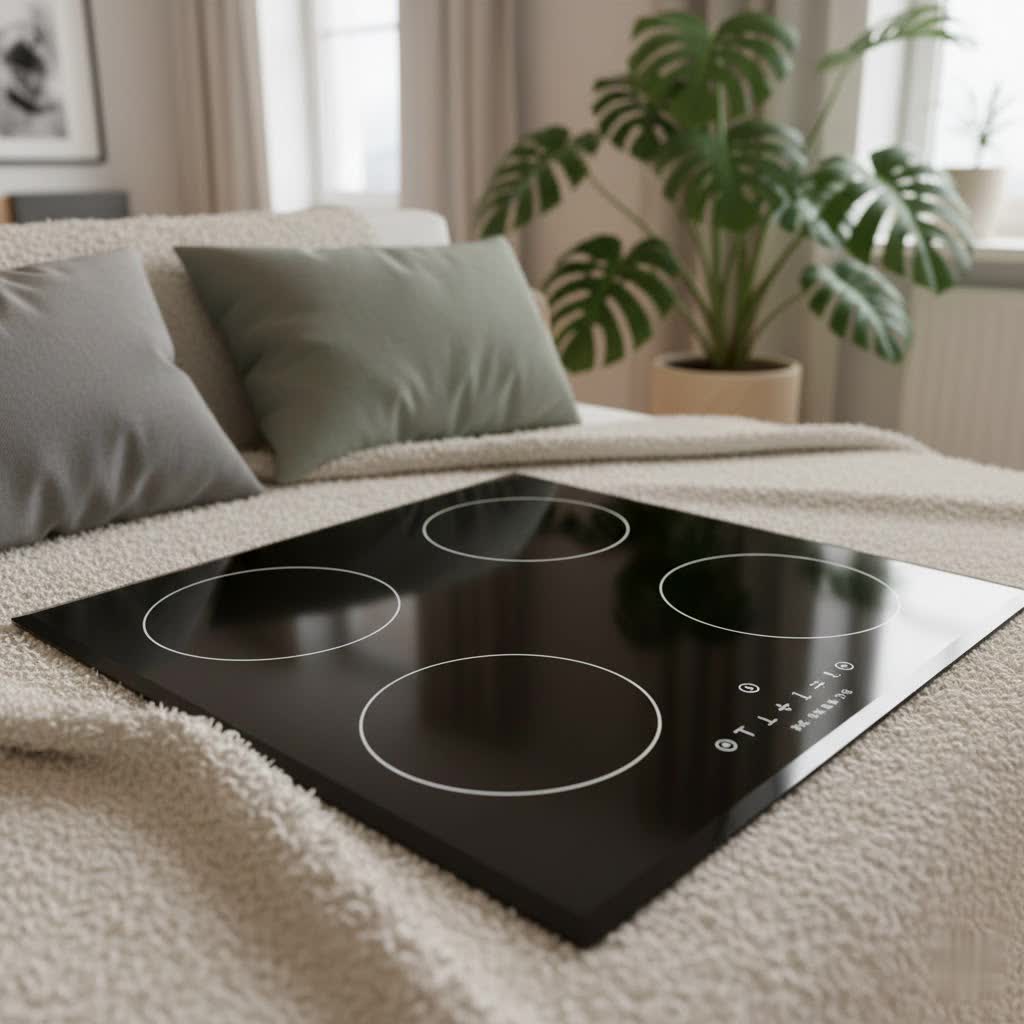
What is an Invisible Induction Cooktop?
An invisible induction cooktop, also known as a hidden induction hob or under-counter cooktop, is a sophisticated cooking system designed to be completely concealed beneath your kitchen countertop. Unlike traditional stovetops with visible burners or cooktop surfaces, the invisible induction system integrates electromagnetic heating coils directly underneath a specially chosen stone or ceramic surface. When not in use, your countertop remains a smooth, uninterrupted surface, making your kitchen feel more spacious, clean, and effortlessly modern.
The operational principle of an invisible induction cooktop mirrors that of a standard induction hob. It utilizes electromagnetic fields to directly heat ferromagnetic cookware, such as cast iron or specific types of stainless steel, placed on the countertop above the hidden coils. Crucially, the heat is generated within the pot itself, not on the countertop surface, ensuring a safe and efficient cooking experience. This innovative approach means no open flames, no glowing electric elements, and a surface that remains cool to the touch (or cools very quickly) once the cookware is removed.
Advantages and Disadvantages of Invisible Induction Cooktops
Like any advanced home appliance, invisible induction cooktops come with a distinct set of benefits and considerations. Understanding these can help you determine if this innovative technology is the right fit for your home and lifestyle.
Advantages:
- Superior Aesthetics and Design Integration: The primary allure of an invisible induction cooktop is its ability to create an ultra-modern, uncluttered kitchen aesthetic. By eliminating visible burners, it promotes a sleek, seamless look that integrates perfectly with minimalist or open-plan living designs. Your countertop becomes a continuous, elegant surface.
- Maximized Countertop Space: When not in use, the entire countertop area, including the cooking zones, is available for food preparation, serving, dining, or other activities. This multifunctionality is particularly valuable in smaller kitchens or those aiming for highly flexible spaces.
- Enhanced Safety Features: Invisible induction cooktops offer significant safety advantages. Since heat is generated only within the compatible cookware, the countertop surface remains cool or warms only indirectly from the pan. Features like automatic shut-off when cookware is removed, child lock functions, and activation only upon detecting a magnetic pot greatly reduce the risk of burns or accidents.
- Effortless Cleaning: With no burners, grates, or raised elements, cleaning is incredibly simple. Spills can be wiped directly from the smooth countertop surface with ease, saving time and effort compared to cleaning traditional stovetops.
- High Energy Efficiency: Induction technology is inherently energy-efficient, as it directs heat directly to the cookware with minimal loss to the surrounding environment. This targeted heating can lead to faster cooking times and lower energy consumption, translating into potential savings on utility bills.
- Precise Temperature Control: Invisible induction cooktops provide instant and highly accurate temperature adjustments, offering a level of control comparable to gas stoves. This precision allows for delicate simmering, rapid boiling, and consistent cooking results.
- Healthier Cooking Environment: Unlike gas cooktops, induction systems do not release combustion byproducts or toxic gases into the kitchen air, contributing to a healthier indoor environment.
|
Our Picks for the Best Induction Cooktop in 2026
As an Amazon Associate I earn from qualifying purchases.
|
||
| Num | Product | Action |
|---|---|---|
| 1 | ChangBERT Induction Cooktop, Commercial Grade Portable Cooker, Large 8” Heating Coil, Premium Stainless Steel Countertop Burner with NSF Certified, 10 Hours Timer Powerful 1800W Professional Hot Plate |

|
| 2 | Duxtop 1800W Portable Induction Cooktop Countertop Burner, Black 9100MC/BT-M20B |
|
| 3 | Duxtop 1800W Portable Induction Cooktop Countertop Burner, Gold 8100MC/BT-180G3 |
|
| 4 | Cooktron 2-in-1 Induction Cooktop with Grill Pan – Portable 1 Burner Induction Hot Plate 1800W, Removable Griddle, 10 Power & 5 Temp Levels, Touch & Knob Control for Kitchen or RV Camping |
|
| 5 | VoltCuisine 24 Inch Double Induction Cooktop, Button Control, 1800W Power Sharing, Low Power Continuous Heating, Portable Countertop Electric Cooker |
|
| 6 | Nuwave Flex Precision Induction Cooktop, 10.25” Shatter-Proof Ceramic Glass, 6.5” Heating Coil, 45 Temps from 100°F to 500°F, 3 Wattage Settings 600, 900 & 1300 Watts, Black |
|
| 7 | ChangBERT Portable Induction Cooktop Enhanced Version, One-Click Max Power 1800W Large Heating Coil Burner, Precise Temperature Control, NSF Certified, Low Noise Hot Plate for Home & Commercial |
|
| 8 | Duxtop Portable Induction Cooktop Burner, Induction Hot Plate with LCD Sensor Touch 1800 Watts, Silver 9600LS/BT-200DZ |
|
| 9 | 30 Inch Gas Cooktop, TOPWISH Gas Stove Top with 5 High Efficiency SABAF Burners, 41400 BTU, NG/LPG Convertible 304 Stainless Steel Built-in Propane Stovetop with Thermocouple Protection, 120V AC |
|
| 10 | Nuwave Pro Chef Induction Cooktop, NSF-Certified, Commercial-Grade, Portable, Powerful 1800W, Large 8” Heating Coil, 94 Temp Settings 100°F - 575°F in 5°F, Shatter-Proof Ceramic Glass Surface |
|
Disadvantages:
- Higher Initial Cost: Invisible induction cooktops represent a premium investment. The initial purchase price is generally higher than conventional cooktops, and there may be additional costs associated with installing specialized compatible countertops.
- Cookware Compatibility: These systems require induction-compatible cookware with ferromagnetic properties. This means you may need to replace existing pots and pans made of aluminum, copper, or glass if they lack a magnetic base.
- Specific Countertop Material Requirements: Not all countertop materials are suitable. Invisible induction cooktops typically require heat-resistant, non-conductive materials like porcelain, sintered stone, ceramic, or certain types of granite, with specific thickness requirements. Materials like quartz and natural marble are generally not recommended.
- Learning Curve for Usage: Without visible burners, users need to adapt to subtle indicators (such as etched markings, LED lights, or app-based zone displays) to locate cooking areas. Some may find this a slight adjustment initially.
- Potential for Minor Noise: Like traditional induction cooktops, invisible models may produce a faint buzzing or humming sound when in operation, particularly at higher power settings, due to the electromagnetic coils.
- Electrical Installation Requirements: Multi-burner invisible induction systems often require dedicated high-amperage electrical circuits (e.g., 220V, 50 amp), which may necessitate electrical upgrades during installation.
Types of Invisible Induction Cooktops
While the core technology remains consistent, invisible induction cooktops vary primarily in their configuration and control mechanisms, offering flexibility to suit diverse kitchen designs and cooking needs.
- Number of Cooking Zones: Available in various configurations, from single-zone units ideal for compact spaces or supplementary cooking to multi-zone systems (e.g., two, three, four, or even five burners) for full-scale meal preparation.
- Control Methods:
- Flush-Mounted Touch Controls: Many systems feature sleek, touch-sensitive control panels that are either subtly integrated into the countertop edge or appear only when activated.
- Smartphone App Control: Advanced models often offer Wi-Fi connectivity, allowing users to control cooking zones, set timers, and monitor cooking status directly from a smartphone or tablet, providing convenience and remote management.
- Subtle Markings: To help users identify cooking zones, some systems incorporate faint etchings, laser-guided markings, or LED indicators that illuminate on the countertop surface when a zone is active.
These variations allow homeowners to choose a system that not only meets their cooking capacity demands but also aligns perfectly with their desired level of technological integration and minimalist aesthetic.
Comparing Invisible Induction Cooktops with Other Types of Stoves
To fully appreciate the innovation of invisible induction cooktops, it’s helpful to compare them against more traditional cooking appliances.
| Feature | Invisible Induction Cooktop | Gas Cooktop | Electric Radiant Cooktop | Standard Induction Cooktop |
|---|---|---|---|---|
| Energy Efficiency | High (direct heating of cookware) | Medium (heat lost to surroundings) | Low (heat lost through radiant elements) | High (direct heating of cookware) |
| Safety | Very High (cool surface, auto shut-off, no open flame) | Low (open flame, hot grates, gas leaks) | Medium (hot surface, slow cool-down) | High (cool surface, auto shut-off, no open flame) |
| Cooking Speed | Very Fast (instant heat, precise control) | Fast (instant flame adjustment) | Slow (takes time to heat up and cool down) | Very Fast (instant heat, precise control) |
| Aesthetics | Superior (seamless, invisible integration) | Traditional, visible burners | Flat, visible glass surface | Flat, visible glass surface |
| Cleaning Ease | Very Easy (smooth, uninterrupted countertop) | Difficult (grates, burners, food traps) | Easy (flat surface, but food can burn on) | Easy (flat glass surface) |
| Cost | Very High (cooktop + specific countertop) | Medium (cooktop + gas line installation) | Low to Medium | High (cooktop only) |
| Cookware Needs | Magnetic (cast iron, magnetic stainless steel) | Any (metal, glass, ceramic, though some caution with glass) | Any flat-bottomed (metal, glass, ceramic) | Magnetic (cast iron, magnetic stainless steel) |
| Space Usage | Multifunctional (cooking & prep on same surface) | Dedicated cooking zone | Dedicated cooking zone | Dedicated cooking zone |
Criteria for Choosing an Invisible Induction Cooktop (Buying Guide)
Investing in an invisible induction cooktop is a significant decision for your kitchen. Consider these key factors to ensure you select the best system for your needs.
- Countertop Material Compatibility: This is paramount. Ensure your chosen countertop material (porcelain, sintered stone, specific granite, ceramic) is compatible with the induction system and meets the required thickness. Some brands may specify particular slab manufacturers for optimal performance.
- Power and Number of Cooking Zones: Assess your cooking habits. Do you frequently cook elaborate meals requiring multiple zones simultaneously? Invisible cooktops are available with 1 to 5 burners. Also, consider the total power output (wattage) and any boost functions for faster heating.
- Control Mechanism: Decide whether you prefer touch controls integrated into the counter, a separate flush-mounted panel, or app-based control via your smartphone. Some systems offer a combination of these.
- Safety Features: Look for essential safety features such as automatic pan detection, overflow protection, child lock, residual heat indicators (if any), and automatic shut-off to prevent accidents and ensure peace of mind.
- Brand Reputation and Reliability: Research leading manufacturers known for their quality and innovation in invisible induction technology. Brands like Invisacook and CookingRAK are prominent in this niche.
- Budget and Overall Cost: Invisible induction cooktops are a premium product. Factor in not just the unit cost but also the cost of compatible countertop materials, specialized installation, and potentially new induction-compatible cookware.
- Warranty and Customer Support: A robust warranty and accessible customer service are crucial for such an advanced appliance. Understand the terms and duration of the warranty for both the cooktop unit and any associated components.
Top Invisible Induction Cooktop Brands
While the market for invisible induction cooktops is still evolving, a few pioneering brands have established themselves as leaders, offering innovative solutions and pushing the boundaries of kitchen design.
- Invisacook: Widely recognized as a pioneer, Invisacook offers a range of invisible induction systems with various burner configurations (from 2 to 5 zones). Their systems are known for seamless integration beneath porcelain and other specified stone countertops, often featuring smartphone app control and a focus on safety and sleek design.
- CookingRAK: Another prominent player, CookingRAK emphasizes multifunctional kitchen spaces where preparation, cooking, and dining can occur on the same integrated surface. Their systems are designed to work particularly well with porcelain countertops, highlighting durability, energy efficiency, and a robust approach to kitchen safety.
These brands often collaborate with countertop manufacturers to ensure optimal performance and integration, offering a sophisticated blend of technology and aesthetic appeal.
How to Use and Maintain Your Invisible Induction Cooktop
Maximizing the lifespan and performance of your invisible induction cooktop involves understanding proper usage and regular maintenance.
Safe and Effective Usage:
- Use Compatible Cookware: Always use pots and pans made from ferromagnetic materials that are compatible with induction cooking. Look for an “induction compatible” symbol (often a coil icon) on the bottom of your cookware. Using non-compatible cookware will prevent the system from heating.
- Proper Pan Placement: While invisible, each system has designated cooking zones. Ensure your cookware is centered over these zones for efficient heating. Many systems provide subtle visual cues (etchings, lights) or audio feedback to guide placement.
- Start with Lower Settings: Familiarize yourself with the temperature controls gradually. Induction heats very quickly, so starting with lower settings and increasing as needed can prevent accidental scorching.
- Be Aware of Residual Heat: Although the cooktop itself doesn’t generate heat, the hot cookware will transfer some warmth to the countertop surface. Exercise caution immediately after cooking, especially with children around, and consider using trivets or mats as a buffer.
Cleaning and Maintenance:
- Daily Cleaning: For daily spills and splashes, simply wipe down the countertop surface with a damp cloth and mild detergent. The smooth, non-porous surface makes cleaning effortless. Avoid abrasive cleaners or scouring pads that could damage the countertop finish.
- Stubborn Stains: For tougher, dried-on food, use a ceramic or induction cooktop cleaner specifically designed for such surfaces, following the product instructions.
- Avoid Overloading: Do not place excessively heavy items on the cooking zones, as this could potentially stress the countertop material or the underlying induction unit.
- Regular Inspections: Periodically check the visible control panel (if any) and the countertop for any signs of damage or unusual wear.
- Professional Servicing: For any malfunctions or significant issues, always consult a qualified technician or the manufacturer’s customer support. Do not attempt DIY repairs on the internal induction components.
Common Issues and Troubleshooting:
- Cooktop Not Heating: First, ensure the cookware is induction-compatible and properly placed. Check if the unit is powered on and if any safety locks are active.
- Beeping Sounds: Occasional beeping might indicate improper pan detection, incompatible cookware, or a safety alert. Consult your user manual for specific error codes or signals.
- Countertop Warming: It’s normal for the countertop directly under a hot pan to become warm due to heat transfer from the cookware. This is not the cooktop generating heat directly, but rather a result of prolonged contact with a hot item. Using specialized silicone mats can help mitigate this.
Comparison Table: Representative Invisible Induction Cooktop Features
Choosing an invisible induction cooktop means evaluating various aspects to ensure it aligns with your specific kitchen design and cooking requirements. Here’s a general overview of features you might find across different models:
| Model Feature | Example 1 (Compact) | Example 2 (Mid-Range) | Example 3 (Premium/Large) |
|---|---|---|---|
| Brand | Invisacook | CookingRAK | Invisacook |
| Power Output (Max) | 3500W | 5000W | 7200W |
| Number of Zones | 2 Cooking Zones | 3-4 Cooking Zones | 5 Cooking Zones |
| Key Features | Compact design, seamless countertop integration, basic touch controls, auto pan detection. | Enhanced safety, app control (Wi-Fi), precise temperature settings, multiple power levels. | Multi-zone flex cooking, power boost function, advanced smart features, durable material compatibility, comprehensive safety suite. |
| Compatible Material | Porcelain, Sintered Stone (12-20mm) | Porcelain, Granite, Sintered Stone (12-20mm) | Premium Porcelain, Quartzite, Specific Granite (12-20mm) |
| Estimated Price | $2,400 – $3,500 | $3,500 – $5,500 | $5,500 – $7,000+ |
Note: Prices are estimates and can vary significantly based on retailer, installation complexity, and specific model features.
Conclusion
The invisible induction cooktop stands as a testament to the ongoing evolution of kitchen technology, merging high performance with unparalleled aesthetic integration. It offers a compelling vision of a modern kitchen: uncluttered, exceptionally safe, remarkably efficient, and incredibly versatile. While the investment is significant, the long-term benefits of a streamlined design, enhanced safety features, and a highly efficient cooking experience can transform your culinary space. If you value minimalist design, technological innovation, and a kitchen that truly works for you, an invisible induction cooktop might just be the upgrade you’ve been waiting for.
Are you ready to discover the magic of cooking on a seemingly blank canvas?
Frequently Asked Questions
How does an invisible induction cooktop heat through the countertop?
An invisible induction cooktop generates an electromagnetic field beneath the countertop that directly interacts with the magnetic properties of compatible cookware. This field creates eddy currents within the pot or pan, causing it to heat up, while the countertop material itself does not get directly heated by the induction process.
What kind of pots and pans do I need for an invisible induction cooktop?
You need induction-compatible cookware, which typically includes pots and pans made of cast iron, magnetic stainless steel, or enameled steel. Cookware with a flat bottom and a magnetic base is essential for the system to detect and heat effectively.
Is an invisible induction cooktop safe to use, especially with children?
Yes, invisible induction cooktops are considered very safe. The surface itself does not get hot; only the cookware heats up. Many models include features like automatic shut-off when a pan is removed, child lock functions, and detection systems that only activate when compatible cookware is placed on a designated zone, significantly reducing the risk of accidental burns.
Can I use any countertop material with an invisible induction cooktop?
No, specific countertop materials are required. The system works best with heat-resistant, non-conductive materials like porcelain, sintered stone, ceramic, or certain types of granite, usually within a specified thickness range (e.g., 12-20mm). Materials like quartz and natural marble are typically not compatible.
How do I know where to place my pots on an invisible induction cooktop?
Manufacturers integrate various indicators to help users locate cooking zones. These can include subtle etchings on the countertop, LED lights that illuminate when a zone is active, or audio cues. Some advanced systems use smartphone apps to display zone locations and controls.
