Are you ready to transform your kitchen into a haven of efficiency and innovative cooking? The modern kitchen demands appliances that not only look sleek but also deliver superior performance, and an induction cooktop stands at the forefront of this evolution. Specifically, a Bosch induction cooktop offers a compelling blend of cutting-edge technology, elegant design, and robust functionality, making it a top contender for home chefs seeking precision and speed. If you’ve been considering an upgrade, understanding the unique benefits and features of these advanced cooking surfaces is crucial to making an informed decision that will elevate your culinary experience.
What is an Induction Cooktop?
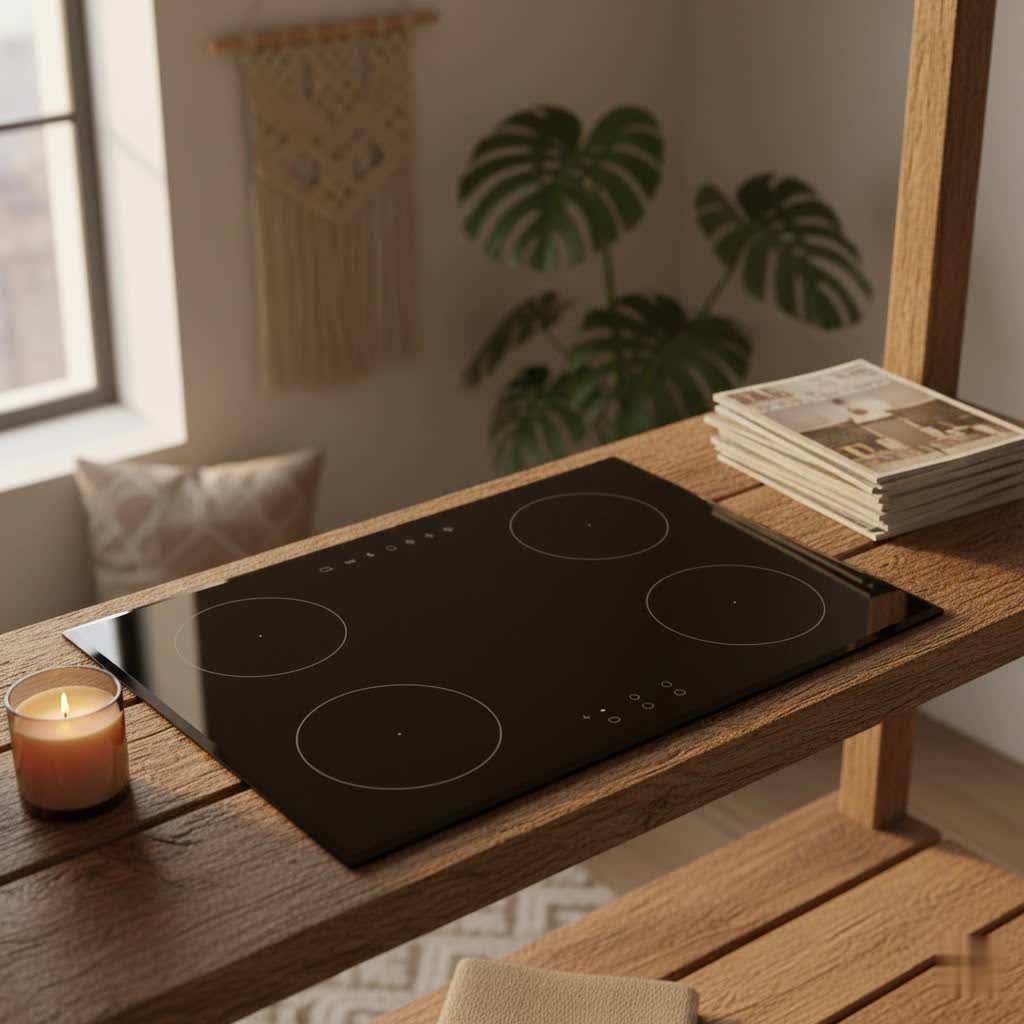
An induction cooktop represents a significant leap forward in cooking technology, utilizing electromagnetic fields to generate heat directly within your cookware. Unlike traditional gas or electric stoves that heat the cooktop surface first, induction technology works by creating a magnetic field that reacts with ferromagnetic materials in your pots and pans. This direct energy transfer is incredibly efficient, rapidly heating your food while keeping the cooktop surface relatively cool to the touch.
The concept of induction cooking dates back to the early 20th century, but it wasn’t until recent decades that it became widely available for domestic use, evolving from niche professional kitchens to a staple in many modern homes. Its principle involves a coil of copper wire beneath the ceramic glass surface, through which an alternating electric current flows. This creates an oscillating magnetic field that induces a current directly into compatible cookware, causing the pot itself to become the heat source.
Advantages and Disadvantages of Induction Cooktops
Choosing an induction cooktop, especially a Bosch model, comes with a host of benefits, but also a few considerations to keep in mind.
Advantages:
- High Energy Efficiency: Induction cooktops are remarkably efficient, converting up to 90% of energy into heat. This means less wasted energy and faster cooking times compared to gas (around 50% efficient) and electric coil (around 65% efficient) cooktops.
- Enhanced Safety: Without an open flame or glowing electric coils, the risk of burns is significantly reduced. The cooktop surface itself remains relatively cool, heating only the pan. Features like child locks and automatic shut-off further boost safety.
- Effortless Cleaning: The smooth, flat ceramic glass surface of an induction cooktop makes spills easy to wipe away. Since the surface doesn’t get extremely hot, food rarely bakes onto it, simplifying cleanup.
- Precise Temperature Control: Induction offers incredibly precise and instantaneous temperature adjustments, similar to gas. This allows for fine-tuning heat levels, from a delicate simmer to a rapid boil, giving you greater command over your cooking. Bosch models often include features like “PreciseSelect” or “DirectSelect Premium” controls for intuitive power level selection.
- Rapid Cooking Speed: With features like Bosch’s “SpeedBoost,” induction cooktops can bring water to a boil in a fraction of the time it takes for conventional methods. This speed is a game-changer for busy households.
|
Our Picks for the Best Induction Cooktop in 2026
As an Amazon Associate I earn from qualifying purchases.
|
||
| Num | Product | Action |
|---|---|---|
| 1 | Nuwave Pro Chef Induction Cooktop, NSF-Certified, Commercial-Grade, Portable, Powerful 1800W, Large 8” Heating Coil, 94 Temp Settings 100°F - 575°F in 5°F, Shatter-Proof Ceramic Glass Surface |

|
| 2 | Duxtop Portable Induction Cooktop Burner, Induction Hot Plate with LCD Sensor Touch 1800 Watts, Silver 9600LS/BT-200DZ |
|
| 3 | Nuwave Flex Precision Induction Cooktop, 10.25” Shatter-Proof Ceramic Glass, 6.5” Heating Coil, 45 Temps from 100°F to 500°F, 3 Wattage Settings 600, 900 & 1300 Watts, Black |
|
| 4 | ChangBERT Portable Induction Cooktop Enhanced Version, One-Click Max Power 1800W Large Heating Coil Burner, Precise Temperature Control, NSF Certified, Low Noise Hot Plate for Home & Commercial |
|
| 5 | VoltCuisine 24 Inch Double Induction Cooktop, Button Control, 1800W Power Sharing, Low Power Continuous Heating, Portable Countertop Electric Cooker |
|
| 6 | Cooktron 2-in-1 Induction Cooktop with Grill Pan – Portable 1 Burner Induction Hot Plate 1800W, Removable Griddle, 10 Power & 5 Temp Levels, Touch & Knob Control for Kitchen or RV Camping |
|
| 7 | Duxtop 1800W Portable Induction Cooktop Countertop Burner, Gold 8100MC/BT-180G3 |
|
| 8 | Duxtop 1800W Portable Induction Cooktop Countertop Burner, Black 9100MC/BT-M20B |
|
| 9 | ChangBERT Induction Cooktop, Commercial Grade Portable Cooker, Large 8” Heating Coil, Premium Stainless Steel Countertop Burner with NSF Certified, 10 Hours Timer Powerful 1800W Professional Hot Plate |
|
| 10 | 30 Inch Gas Cooktop, TOPWISH Gas Stove Top with 5 High Efficiency SABAF Burners, 41400 BTU, NG/LPG Convertible 304 Stainless Steel Built-in Propane Stovetop with Thermocouple Protection, 120V AC |
|
Disadvantages:
- Higher Initial Cost: Induction cooktops generally have a higher upfront price tag compared to traditional gas or electric models. However, the energy savings over time can help offset this initial investment.
- Cookware Compatibility: Only ferromagnetic cookware (pots and pans that a magnet will stick to) can be used on an induction cooktop. This means you might need to replace some of your existing non-compatible cookware, though cast iron, most stainless steel, and enameled steel are typically induction-ready.
- Minor Noise Generation: Some users report a slight buzzing or humming sound, especially at higher power settings or when using certain types of cookware. This “static noise” is usually normal for induction technology.
- Power Requirements: Induction cooktops often require a dedicated, stable electrical supply, which might necessitate electrical upgrades in older homes.
Common Types of Induction Cooktops on the Market
Induction cooktops come in various configurations to suit different kitchen layouts and cooking needs.
- Single Induction Cooktop (Portable): These compact, standalone units are perfect for small spaces, dorms, or as an extra cooking zone for entertaining. They are plug-and-play and highly portable.
- Double Induction Cooktop: Featuring two cooking zones, these models offer more versatility than single units while still being relatively compact, often suitable for smaller kitchens or as a secondary cooking surface.
- Triple Induction Cooktop (or Multi-Zone): Integrated into a countertop, these cooktops provide three or more dedicated cooking zones, catering to families with more extensive cooking requirements.
- Built-in (Flush Mount) Induction Cooktop: Designed to be seamlessly integrated into your kitchen countertop, offering a sleek, minimalist aesthetic. Bosch excels in this category with its frameless designs.
- Freestanding Induction Range: This combines an induction cooktop with an oven in a single unit, replacing a traditional range. Bosch offers impressive induction ranges, particularly in their 800 Series.
Comparing Induction Cooktops with Other Cooktop Types
Understanding how induction stacks up against gas and electric options is key to making the best choice for your kitchen.
| Feature | Induction Cooktop | Gas Cooktop | Electric Cooktop (Coil/Radiant) |
|---|---|---|---|
| Energy Efficiency | High (up to 90%) | Medium (approx. 50%) | Low-Medium (approx. 65-70%) |
| Safety | High (cool surface, no open flame, child lock) | Low-Medium (open flame, gas leaks possible) | Medium (hot surface, residual heat) |
| Cooking Speed | Very Fast (instantaneous heat, SpeedBoost) | Fast (instantaneous flame adjustment) | Slow-Medium (slow to heat up and cool down) |
| Price | High | Medium | Low |
| Temperature Control | Excellent (precise, instantaneous adjustment) | Excellent (visual flame adjustment) | Fair (delayed response to adjustments) |
| Flexibility | Low (requires specific cookware) | High (works with all cookware types) | High (works with all flat-bottom cookware) |
| Cleaning | Easy (flat surface, food doesn’t burn on) | Moderate (grates and burners require cleaning) | Moderate (food can burn onto hot surface) |
Key Criteria for Choosing a Bosch Induction Cooktop
When investing in a Bosch induction cooktop, several factors should guide your decision to ensure it perfectly fits your lifestyle and culinary ambitions.
- Cooktop Power (Wattage): Higher wattage generally means faster heating. Bosch offers powerful zones, often with a “PowerBoost” function to temporarily increase wattage for rapid boiling or searing. Consider the total wattage and individual zone wattages.
- Size and Design: Bosch cooktops come in various sizes (e.g., 24″, 30″, 36″, 90cm) and designs, including frameless options for a sleek, integrated look. Measure your counter cutout carefully and choose a design that complements your kitchen aesthetic.
- Number of Cooking Zones: Determine how many cooking zones you regularly need. Bosch offers models with 2, 3, 4, or 5 zones. Features like “FlexInduction” allow you to combine two zones into a larger one for griddles or oversized pots.
- Safety Features: Look for essential safety features such as a child lock, automatic pan recognition (which prevents heating without a pot), automatic shut-off for unattended cooking, and residual heat indicators that tell you if a zone is still hot.
- Advanced Features: Bosch is known for innovative technologies. Consider features like:
- SpeedBoost: For ultra-fast heating.
- AutoChef/PerfectFry Plus: Automatically regulates temperature for perfect frying results.
- DirectSelect/PreciseSelect Premium: Intuitive touch controls for easy power level adjustment.
- Home Connect: Allows remote monitoring and control via a smartphone app.
- Brand Reputation and Reliability: Bosch is a highly respected German brand known for engineering quality and durability. Their appliances typically receive strong reviews for performance and longevity.
- Price and Warranty: Bosch induction cooktops span various price points depending on the series and features. Understand the warranty coverage provided, which is usually standard for major appliances.
Top Bosch Induction Cooktop Series
Bosch offers several series of induction cooktops, each catering to different budgets and feature preferences.
- Bosch 800 Series: Often considered the flagship, the 800 Series boasts advanced features like SpeedBoost, AutoChef, FlexInduction, and Home Connect. These models provide exceptional precision, power, and design, appealing to serious home cooks.
- Bosch 500 Series: Offering a balance of features and value, the 500 Series includes core induction benefits such as SpeedBoost and PreciseSelect controls. They provide excellent performance without the premium price tag of the 800 Series, making them a popular choice.
- Bosch Benchmark Series: This is Bosch’s ultra-premium line, featuring even more refined aesthetics and cutting-edge technologies, often including fully flexible cooking zones and top-tier power output for the most demanding culinary tasks.
- Bosch Series 2, 4, 6: These series, often seen in European markets, represent different tiers of features and design, with Series 6 being more advanced than Series 2. They typically offer core induction benefits and varying levels of smart features.
How to Use and Maintain Your Bosch Induction Cooktop
To ensure your Bosch induction cooktop performs optimally and lasts for years, proper usage and maintenance are essential.
Safe and Efficient Usage:
- Use Compatible Cookware: Always use pots and pans made of ferromagnetic material. A simple magnet test will confirm compatibility.
- Match Pan Size to Zone: Place cookware centrally on a zone that matches its base diameter to ensure efficient heating and pan detection.
- Start with Lower Heat: Begin cooking at a lower power setting and gradually increase it, especially when getting familiar with the cooktop’s responsiveness.
- Utilize Smart Features: Leverage SpeedBoost for rapid heating, AutoChef for consistent frying, and FlexInduction for larger cookware.
- Engage Child Lock: Always activate the child lock feature when the cooktop is not in use, especially in households with young children.
Cleaning and Maintenance:
- Daily Cleaning: Wipe the cooktop surface with a damp cloth and mild dish soap after each use. For tougher spots, a ceramic cooktop cleaner specifically designed for glass surfaces can be used.
- Avoid Abrasives: Do not use abrasive cleaners, scouring pads, or harsh chemicals, as these can scratch or damage the glass surface.
- Remove Spills Promptly: Wipe up sugar-based spills immediately, even if the cooktop is hot (use caution), as they can etch the glass surface if left to cool.
- Check for Error Codes: If your cooktop displays an error code, consult your user manual for troubleshooting steps. Bosch customer support can also provide assistance.
- Ensure Proper Ventilation: Make sure your kitchen ventilation system is adequate and functioning correctly to dissipate heat and steam during cooking.
Comparison Table: Top Bosch Induction Cooktop Models
Here’s a glimpse at some popular Bosch induction cooktop models, showcasing their variety in features and pricing. (Note: Prices are approximate and can vary by retailer and promotions.)
| Model Name | Series | Power (Total kW) | No. of Zones | Key Features | Price Range (USD) |
|---|---|---|---|---|---|
| NIT8661UC | 800 Series | ~11.1 | 5 | FlexInduction, SpeedBoost, AutoChef, PreciseSelect, Home Connect | $2,000 – $2,500 |
| NIT8061UC | 800 Series | ~7.4 | 4 | FlexInduction, SpeedBoost, AutoChef, PreciseSelect, Home Connect | $1,800 – $2,300 |
| NIT5660UC | 500 Series | ~7.2 | 4 | SpeedBoost, PreciseSelect, Pan Recognition | $1,500 – $1,900 |
| NITP660UC | Benchmark | ~11.1 | 5 | Fully Flexible Cooking Zones, DirectSelect Premium, Home Connect | $2,800 – $3,500 |
| PUG61RAA5B (EU) | Series 2 | ~7.4 | 4 | PowerBoost, QuickStart, Control Panel Lock | $600 – $900 |
> “Bosch induction cooktops are truly at the pinnacle of cooking technology, offering unparalleled precision and efficiency that can transform any kitchen. Their ability to deliver instant heat and maintain exact temperatures empowers home cooks to achieve professional-level results with ease.” – Chef Elena Rodriguez, Culinary Technology Expert
Conclusion
A Bosch induction cooktop is more than just a cooking appliance; it’s an investment in a smarter, safer, and more efficient culinary future. With its rapid heating capabilities, precise temperature control, enhanced safety features, and sleek design, Bosch has cemented its position as a leader in induction technology. While the initial investment might be higher and specific cookware is required, the long-term benefits in terms of energy savings, cooking performance, and user convenience make a compelling case for its adoption.
Are you ready to experience the transformative power of induction cooking in your own kitchen?
