Stepping into a modern kitchen, you might notice a sleek, flat surface that promises both elegance and efficiency. This is the realm of the Induction Cooktop, a revolutionary appliance that has transformed the way we approach cooking. Forget waiting for burners to heat up or wrestling with inconsistent flames; induction technology offers a new level of speed, precision, and safety. If you’ve ever wondered what makes these cooktops so exceptional, or if you’re considering an upgrade, you’ve come to the right place. This guide will demystify induction cooking, explore its myriad benefits and minor drawbacks, and equip you with all the knowledge needed to choose and master the perfect induction cooktop for your home. Prepare to discover a world where culinary possibilities are endless and cooking becomes a true pleasure.
What is an Induction Cooktop?
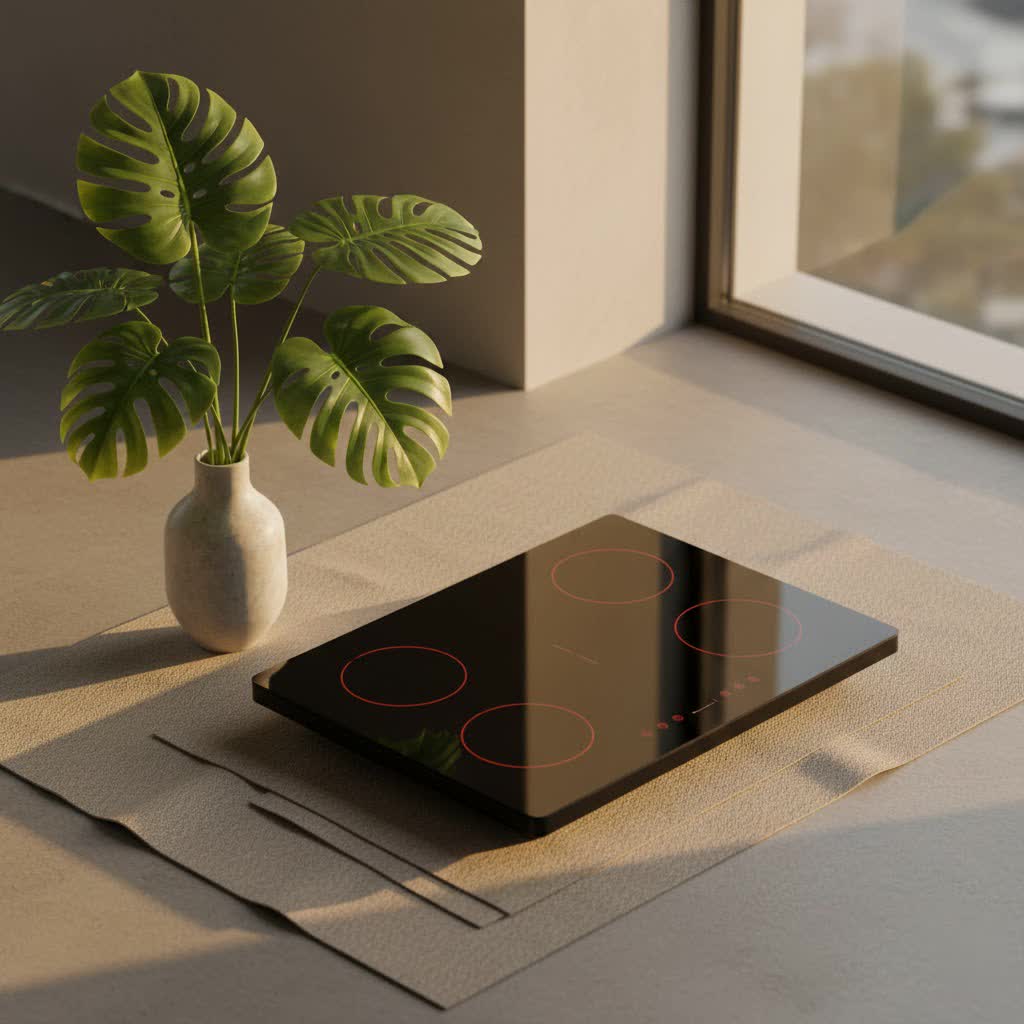
An induction cooktop is a cutting-edge kitchen appliance that utilizes electromagnetic energy to heat cookware directly, rather than heating the cooktop surface itself. Beneath its smooth, ceramic-glass surface lie copper coils. When an induction-compatible pot or pan is placed on one of these cooking zones and the power is activated, an alternating electric current flows through the coil, generating a fluctuating magnetic field. This magnetic field, in turn, induces a current within the magnetic material of the cookware, causing the pot or pan to generate its own heat.
This innovative method means that heat is produced precisely where it’s needed – in the cooking vessel itself. The surrounding cooktop surface remains relatively cool to the touch, making it inherently safer than traditional gas or electric coil stoves. While electric coil and radiant cooktops rely on heating an element that then transfers heat to the pan, induction bypasses this intermediary step, making it a highly efficient and responsive cooking method that has gained significant traction in contemporary kitchens.
Advantages and Disadvantages of Induction Cooktops
Induction cooktops offer a compelling array of benefits, but like any appliance, they come with their own set of considerations. Understanding both the pros and cons is crucial for making an informed decision.
Advantages:
- High Energy Efficiency: Induction cooktops are remarkably efficient, transferring up to 90% of the heat directly to the cookware. This significantly reduces energy waste compared to gas (40-55%) and traditional electric (65-70%) cooktops, leading to lower utility bills and a smaller carbon footprint.
- Enhanced Safety: Without an open flame or glowing hot elements, the risk of accidental burns is drastically reduced. The cooktop surface remains cool, only getting warm from residual heat transferred from the hot pan. Features like automatic shut-off when cookware is removed or spills are detected further bolster safety, making them ideal for families with children.
- Precise Temperature Control: Induction offers instant and highly accurate temperature adjustments. Chefs can go from a rolling boil to a gentle simmer almost immediately, providing unparalleled control over delicate dishes and preventing overcooking.
- Faster Cooking Times: Because heat is generated directly in the pan, induction cooktops bring water to a boil and cook food significantly faster than conventional stoves, often cutting cooking times by 20-40%.
- Easy to Clean: The smooth, flat glass surface of an induction cooktop, combined with its relatively cool operating temperature, means that spills are far less likely to burn onto the surface. A simple wipe-down with a damp cloth usually suffices for quick cleanup.
- Cooler Kitchen Environment: Since less heat radiates into the air, your kitchen stays cooler and more comfortable, especially beneficial during warmer months.
- Improved Indoor Air Quality: Unlike gas stoves that release pollutants like nitrogen dioxide, carbon monoxide, and formaldehyde, induction cooktops produce no indoor air emissions, contributing to a healthier home environment.
|
Our Picks for the Best Induction Cooktop in 2026
As an Amazon Associate I earn from qualifying purchases.
|
||
| Num | Product | Action |
|---|---|---|
| 1 | ChangBERT Portable Induction Cooktop Enhanced Version, One-Click Max Power 1800W Large Heating Coil Burner, Precise Temperature Control, NSF Certified, Low Noise Hot Plate for Home & Commercial |

|
| 2 | Nuwave Pro Chef Induction Cooktop, NSF-Certified, Commercial-Grade, Portable, Powerful 1800W, Large 8” Heating Coil, 94 Temp Settings 100°F - 575°F in 5°F, Shatter-Proof Ceramic Glass Surface |
|
| 3 | 30 Inch Gas Cooktop, TOPWISH Gas Stove Top with 5 High Efficiency SABAF Burners, 41400 BTU, NG/LPG Convertible 304 Stainless Steel Built-in Propane Stovetop with Thermocouple Protection, 120V AC |
|
| 4 | Cooktron 2-in-1 Induction Cooktop with Grill Pan – Portable 1 Burner Induction Hot Plate 1800W, Removable Griddle, 10 Power & 5 Temp Levels, Touch & Knob Control for Kitchen or RV Camping |
|
| 5 | ChangBERT Induction Cooktop, Commercial Grade Portable Cooker, Large 8” Heating Coil, Premium Stainless Steel Countertop Burner with NSF Certified, 10 Hours Timer Powerful 1800W Professional Hot Plate |
|
| 6 | Duxtop 1800W Portable Induction Cooktop Countertop Burner, Black 9100MC/BT-M20B |
|
| 7 | Duxtop 1800W Portable Induction Cooktop Countertop Burner, Gold 8100MC/BT-180G3 |
|
| 8 | VoltCuisine 24 Inch Double Induction Cooktop, Button Control, 1800W Power Sharing, Low Power Continuous Heating, Portable Countertop Electric Cooker |
|
| 9 | Nuwave Flex Precision Induction Cooktop, 10.25” Shatter-Proof Ceramic Glass, 6.5” Heating Coil, 45 Temps from 100°F to 500°F, 3 Wattage Settings 600, 900 & 1300 Watts, Black |
|
| 10 | Duxtop Portable Induction Cooktop Burner, Induction Hot Plate with LCD Sensor Touch 1800 Watts, Silver 9600LS/BT-200DZ |
|
Disadvantages:
- Higher Initial Cost: Induction cooktops generally have a higher upfront purchase price compared to conventional gas or electric models. However, energy savings over time can offset this initial investment.
- Cookware Compatibility: Induction cooking requires specific magnetic cookware (e.g., cast iron, magnetic stainless steel). Non-magnetic materials like aluminum, copper, or glass will not work, potentially necessitating an investment in new pots and pans.
- Potential for Minor Noise: Some users may notice a faint buzzing, humming, or clicking sound, especially at higher settings or with certain types of cookware. This is typically a normal operational sound from the magnetic field and is usually minimal.
- Glass Surface Susceptibility to Scratches: While durable, the glass surface can be scratched if heavy or abrasive cookware is dragged across it, or if harsh cleaning materials are used. Careful handling and appropriate cleaning products are recommended.
- Learning Curve: The rapid heating and precise control can take some getting used to for those accustomed to gas or traditional electric stoves. Adjusting cooking habits and temperature settings may require a short period of adaptation.
- Requires Stable Power Source: Induction cooktops are high-power appliances that generally require a dedicated 220-240V electrical outlet for optimal performance.
Common Types of Induction Cooktops
The market offers a diverse range of induction cooktops, each designed to cater to different kitchen layouts, cooking needs, and lifestyles.
- Built-in/Integrated Cooktops: These are the most common type for permanent kitchen installations. They are designed to be seamlessly integrated into your countertop, offering a sleek, flush appearance. Available in various sizes (e.g., 24-inch, 30-inch, 36-inch) with multiple cooking zones, they often include advanced features and smart technology.
- Freestanding Induction Ranges: These units combine an induction cooktop with an electric convection oven in a single appliance. They are a popular choice for full kitchen renovations or replacements, offering a complete cooking solution.
- Portable Induction Cooktops: Also known as single or double burner induction plates, these compact units are plug-and-play, ideal for small kitchens, dorms, RVs, outdoor cooking, or as an additional cooking zone during holidays. They offer the core benefits of induction in a convenient, movable package.
- Single, Double, and Multiple Burner Cooktops: Beyond portable units, built-in cooktops come with varying numbers of cooking zones.
- Single/Double: Primarily for compact spaces or supplementary cooking.
- Triple/Four/Five Burners: Standard configurations for most households, accommodating diverse cooking needs.
- Flexible Cooking Zones (Bridge Elements): Many modern cooktops feature zones that can be combined (bridged) to create a larger heating area, perfect for oversized pots, griddles, or roast pans. Some high-end models even offer full-surface induction, allowing cookware to be placed almost anywhere on the cooktop.
Comparing Induction Cooktops with Other Stove Types
When choosing a new cooking appliance, it’s essential to understand how induction stacks up against its gas and electric counterparts.
| Feature | Induction Cooktop | Gas Stove | Electric Stove |
|---|---|---|---|
| Energy Efficiency | High (Up to 90% transfer) | Low (40-55% transfer, much heat loss) | Medium (65-70% transfer) |
| Safety | Very High (Cool surface, no open flame, auto-off) | Low (Open flame, gas leaks, surface stays hot) | Medium (Hot elements, slower cool-down) |
| Cooking Speed | Very Fast (Boils water rapidly) | Medium (Instant heat, but slower boil than induction) | Slow (Takes time for elements to heat and cool) |
| Temperature Control | Excellent (Instant, precise adjustments) | Good (Instant visual feedback, but less precise than induction) | Fair (Lag in temperature changes) |
| Initial Price | High | Medium | Low |
| Cookware Flexibility | Low (Requires magnetic cookware) | High (Works with any cookware) | High (Works with any flat-bottom cookware) |
| Cleaning Ease | Very Easy (Smooth, cool surface) | Difficult (Grates, burnt-on spills) | Medium (Smooth surface, but spills can burn on) |
| Indoor Air Quality | Excellent (No emissions) | Poor (Emits pollutants) | Good (No emissions) |
Buying Guide: Key Criteria for Choosing an Induction Cooktop
Selecting the right induction cooktop involves considering several factors to ensure it meets your culinary demands and integrates seamlessly into your kitchen.
- Power and Wattage: Higher wattage typically means faster heating. Look for cooktops with a good range of power levels, including a “boost” function for rapid boiling or searing, and a “warm” or “simmer” setting for delicate tasks.
- Size and Design: Measure your available counter space carefully. Induction cooktops come in standard widths (e.g., 24, 30, 36 inches). Consider framed designs (with a raised edge) for spill containment or edgeless designs for a sleek, modern look.
- Number and Type of Cooking Zones: Determine how many burners you typically use simultaneously. Standard models have 4-5 zones, but some offer flexible or bridge elements that combine zones for larger cookware like griddles. Consider models with varying zone sizes to accommodate different pots and pans.
- Safety Features: Prioritize models with essential safety features such as child locks (to prevent accidental activation), auto-shutoff (if a pan is removed or overheats), pan detection (cooktop only heats when compatible cookware is present), and hot surface indicators.
- Brand Reputation and Reliability: Research reputable brands known for quality and customer service. Brands with lower service rates often indicate higher reliability.
- Price and Warranty: Induction cooktops range widely in price. Set a budget and compare features within that range. A good warranty offers peace of mind against potential issues.
- Smart Features: Many modern induction cooktops offer advanced functionalities like Wi-Fi connectivity (for remote monitoring and control via smartphone apps), preset cooking programs (for specific dishes or cooking methods), and precise temperature control systems (like “AutoChef” or “Temp Cook”).
Top Induction Cooktop Brands
The market features several excellent brands known for their innovation, performance, and reliability in induction cooking.
- Bosch: Highly regarded for precision engineering and advanced features. The Bosch Benchmark series, for instance, offers high wattage and FlexInduction technology, allowing for combined cooking zones. Bosch also manufactures the reliable 500 and 800 series.
- GE (General Electric): Known for offering a good balance of features and value, with models like the GE Profile induction cooktops providing strong performance and flexibility.
- Samsung: Integrates smart technology with sleek designs, offering Wi-Fi connectivity and precise temperature control through apps like SmartThings.
- LG Studio: Combines advanced features with sophisticated design, often including multiple radiant elements, smooth touch controls, and bridge elements for versatility.
- Frigidaire: Offers more affordable yet reliable options, often praised for fast water boiling and easy-to-clean surfaces, making them a good entry point into induction cooking.
- Miele: A premium brand known for top-tier performance, intuitive controls, and elegant designs, often featured in high-end kitchens.
- Gaggenau: Stands out for exceptional reliability and innovative features like full-surface induction, allowing up to six pots to be placed anywhere on the cooktop.
- Duxtop: A popular choice for portable induction cooktops, offering user-friendly interfaces and consistent performance for supplemental cooking needs.
Using and Maintaining Your Induction Cooktop
To maximize the lifespan and performance of your induction cooktop, proper usage and diligent maintenance are key.
How to Use Your Induction Cooktop Safely and Effectively:
- Turn On: Press the power button to activate the cooktop.
- Place Compatible Cookware: Ensure your pot or pan is made of magnetic material (test with a magnet). Place it centrally on the designated cooking zone. If the cooktop doesn’t detect compatible cookware, it often displays an error message (“E” or “E1”) and won’t generate heat.
- Select Cooking Zone and Power Level: Choose the desired cooking zone and set the heat level using the touch controls or dials. Power levels typically range from 1 (low) to 9 (high), with “P” or “Boost” for maximum power and “L” for a low “keep warm” setting.
- Monitor Cooking: Due to rapid heating, it’s essential to monitor your food closely to prevent overcooking, especially when first getting acquainted with induction.
- Turn Off: After cooking, turn off the individual cooking zone, then press the main power button to turn off the entire cooktop. A “H” indicator may appear, signifying residual heat from the hot pan.
Cookware Compatibility Tip: Always check for the induction-compatible symbol (a coil graphic) on your cookware, or simply stick a magnet to the bottom. If it clings firmly, your pan is ready for induction. Ensure cookware has a flat bottom for optimal contact and heat transfer.
Cleaning and Maintaining Your Induction Cooktop:
- Clean Spills Promptly: Wipe up any food spills or splatters as soon as they occur. Since spills don’t burn onto the cooler surface, this prevents them from drying and becoming harder to remove later.
- Allow to Cool: Always let the cooktop cool down completely before cleaning. While the cooktop itself doesn’t get as hot as conventional stoves, residual heat from hot pans can still make the surface warm.
- Daily Cleaning Routine: After each use, wipe the cooktop with a damp cloth or sponge soaked in mild dish soap. For best results, use a specialized ceramic or induction cooktop cleaner. Dry thoroughly with a clean, soft microfiber cloth to prevent water spots or streaks.
- Dealing with Burned-On Residue: For stubborn spots, apply a small amount of induction cooktop cleaner, allow it to sit for a few minutes (as per product instructions), and then gently scrape with a cooktop scraper specifically designed for glass surfaces. Never use metal spatulas or harsh abrasives.
- Avoid Abrasive Cleaners: Do not use abrasive scrubbers, steel wool, scouring pads, or harsh chemical cleaners, as these can scratch or damage the glass surface.
- Cookware Handling: Avoid dragging heavy pots and pans across the cooktop surface to prevent scratches. Lift and place them gently. Ensure the bottoms of your pans are clean and smooth.
- Inspect Regularly: Periodically check the cooktop for any cracks, chips, or signs of damage. If issues are noticed, contact a professional for repairs.
Common Issues and Troubleshooting:
- Buzzing/Humming: This is often normal, caused by the electromagnetic field interacting with the cookware, especially at high settings. Heavy, flat-bottomed pans can help minimize this.
- Clicking Sound: A faint clicking can be heard from the electronic switches maintaining the desired temperature, which is also normal.
- Error Codes: An “E” or “E1” typically indicates a problem with cookware detection (no pan, incompatible pan, or pan too small). Ensure you’re using appropriate cookware and that it’s correctly centered.
Comparison Table: Popular Induction Cooktop Features (Illustrative)
| Model Feature (Example) | Brand (Example) | Power Range (Watts) | Number of Zones | Key Features | Price Range (USD) |
|---|---|---|---|---|---|
| Standard 4-Zone | Frigidaire | 1,800 – 3,700 | 4 | Quick Boil, Easy Clean Surface | $800 – $1,500 |
| FlexInduction 5-Zone | Bosch | 1,400 – 3,600 | 5 (2 bridgeable) | FlexZone, AutoChef, Precise Temp Control | $2,000 – $3,500 |
| Smart Wi-Fi 4-Zone | Samsung | 1,200 – 3,500 | 4 | Wi-Fi Connectivity, Power Boost, Child Lock | $1,500 – $2,800 |
| Pro Series 5-Zone | Miele | 1,600 – 3,800 | 5 | High-Power Burners, Intuitive Controls, Durable | $3,000 – $6,000 |
| Portable Single Burner | Duxtop | 200 – 1,800 | 1 | Lightweight, Timer, Multiple Temp Settings | $70 – $150 |
(Note: Prices and features are illustrative and vary widely based on specific models, retailers, and market fluctuations.)
Conclusion
Induction cooktops represent a significant leap forward in kitchen technology, offering a powerful combination of efficiency, speed, safety, and precise control that traditional cooking methods simply can’t match. While the initial investment may be higher and the need for compatible cookware a consideration, the long-term benefits in energy savings, cleaner air, and a more enjoyable cooking experience make them a worthwhile upgrade for many households. By understanding their unique operating principles, choosing a model that aligns with your needs, and following simple maintenance guidelines, you can unlock a new realm of culinary possibilities. Are you ready to embrace the future of cooking and transform your kitchen into a hub of innovation and efficiency?
Frequently Asked Questions
What makes an induction cooktop more energy-efficient than gas or electric?
Induction cooktops are more energy-efficient because they use electromagnetism to heat the cookware directly, rather than heating the surface or the air around the pan. This direct heat transfer minimizes energy loss, ensuring that almost all the generated heat is utilized for cooking.
Do I need special pots and pans for an induction cooktop?
Yes, induction cooktops require cookware made from magnetic materials such as cast iron or magnetic stainless steel. To check if your current pots and pans are compatible, simply hold a magnet to the bottom; if it sticks, your cookware is induction-ready.
Is it safe to touch an induction cooktop while it’s on?
One of the key safety features of induction cooktops is that the cooking surface itself does not generate heat directly. It only becomes warm from residual heat transferred from the hot cookware. Therefore, it is generally safe to touch the area around the cooking zone, though caution is always advised.
Can induction cooktops scratch easily?
The ceramic-glass surface of an induction cooktop is durable but can be scratched if heavy, abrasive, or rough-bottomed cookware is dragged across it. Using proper cleaning agents and lifting rather than sliding pots and pans helps preserve the surface.
How quickly does an induction cooktop boil water?
Induction cooktops are renowned for their speed. Many models can boil a pot of water significantly faster than gas or traditional electric stoves, often in just 2-3 minutes, thanks to the direct and efficient transfer of heat to the cookware.
