In the dynamic world of modern kitchens, where space is often at a premium and efficiency is paramount, traditional cooking methods can feel cumbersome. Many home cooks and culinary enthusiasts face the challenge of limited stovetop space, the inefficiency of electric coil burners, or the safety concerns associated with open flames. This is where the Portable Electric Induction Cooktop steps in, offering a revolutionary solution for flexible, precise, and incredibly efficient cooking. This comprehensive guide will navigate you through everything you need to know about these innovative appliances, ensuring you make an informed decision for your culinary needs.
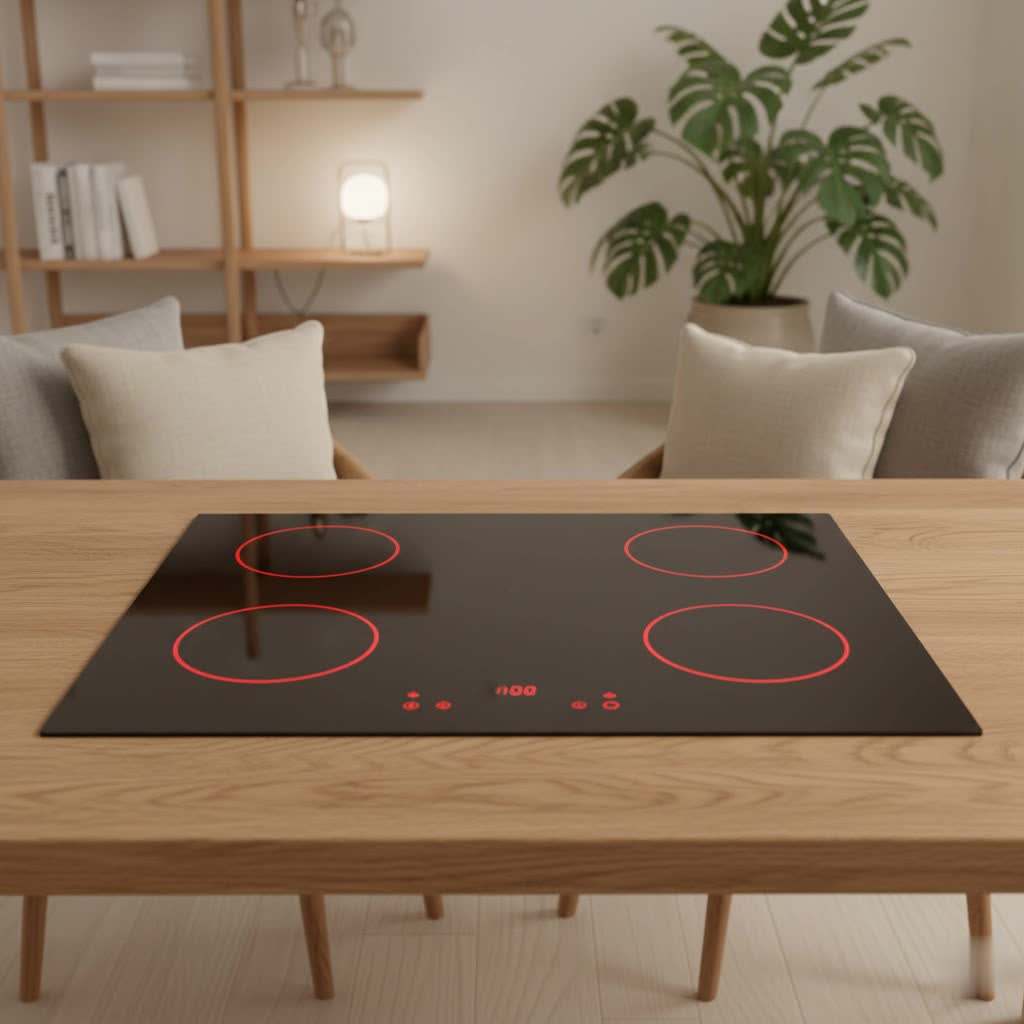
What is a Portable Electric Induction Cooktop?
A portable electric induction cooktop is a modern kitchen appliance that uses electromagnetic energy to heat cookware directly, rather than heating the cooking surface itself. Unlike gas or traditional electric stoves, which rely on external heat transfer, induction technology creates a magnetic field that rapidly induces heat within the base of compatible pots and pans. This process involves a coil beneath the cooktop’s ceramic glass surface, through which an alternating electric current flows, generating an electromagnetic field. When a ferromagnetic (magnetic) pot is placed on this surface, the magnetic field creates eddy currents within the pot’s base, causing it to heat up directly and quickly. This direct heating mechanism is the core principle behind the exceptional speed and efficiency of induction cooking.
Advantages and Disadvantages of Portable Induction Cooktops
Portable induction cooktops have rapidly gained popularity due to their numerous benefits, but like any appliance, they come with a few considerations.
Advantages:
- High Energy Efficiency: Induction cooktops are remarkably efficient, converting up to 90% of energy into heat for cooking. This direct heating of the cookware minimizes wasted energy, making them more environmentally friendly and cost-effective to operate compared to gas or traditional electric burners.
- Enhanced Safety: Without an open flame or a glowing hot heating element, induction cooktops significantly reduce the risk of burns and kitchen fires. The cooktop surface itself remains relatively cool to the touch, heating only where it contacts magnetic cookware. Many models also include features like child safety locks, automatic shut-off when cookware is removed, and overheating protection, further boosting safety in the kitchen.
- Effortless Cleaning: The smooth, flat ceramic glass surface of a portable induction cooktop makes cleaning a breeze. Spills and splatters don’t bake onto a hot surface, so a simple wipe with a damp cloth is usually enough to keep it pristine.
- Precise Temperature Control: Induction technology offers unparalleled control over cooking temperatures. Users can adjust heat levels in fine increments, often as precise as 5-degree Fahrenheit steps, with some advanced models even featuring digital probes for 1-degree adjustments. This precision allows for delicate tasks like melting chocolate without scorching or maintaining a perfect simmer for hours.
- Rapid Cooking Speed: Because heat is generated directly in the cookware, induction cooktops can bring water to a boil and heat food much faster than conventional stoves, saving valuable time during meal preparation.
- Exceptional Portability: Designed to be lightweight and compact, these cooktops can be easily moved and stored. They are ideal for small apartments, dorm rooms, RVs, camping trips (with a stable power source), or as an extra burner for holiday gatherings.
|
Our Picks for the Best Induction Cooktop in 2026
As an Amazon Associate I earn from qualifying purchases.
|
||
| Num | Product | Action |
|---|---|---|
| 1 | VoltCuisine 24 Inch Double Induction Cooktop, Button Control, 1800W Power Sharing, Low Power Continuous Heating, Portable Countertop Electric Cooker |

|
| 2 | Duxtop 1800W Portable Induction Cooktop Countertop Burner, Black 9100MC/BT-M20B |
|
| 3 | 30 Inch Gas Cooktop, TOPWISH Gas Stove Top with 5 High Efficiency SABAF Burners, 41400 BTU, NG/LPG Convertible 304 Stainless Steel Built-in Propane Stovetop with Thermocouple Protection, 120V AC |
|
| 4 | Duxtop Portable Induction Cooktop Burner, Induction Hot Plate with LCD Sensor Touch 1800 Watts, Silver 9600LS/BT-200DZ |
|
| 5 | Nuwave Pro Chef Induction Cooktop, NSF-Certified, Commercial-Grade, Portable, Powerful 1800W, Large 8” Heating Coil, 94 Temp Settings 100°F - 575°F in 5°F, Shatter-Proof Ceramic Glass Surface |
|
| 6 | Nuwave Flex Precision Induction Cooktop, 10.25” Shatter-Proof Ceramic Glass, 6.5” Heating Coil, 45 Temps from 100°F to 500°F, 3 Wattage Settings 600, 900 & 1300 Watts, Black |
|
| 7 | ChangBERT Portable Induction Cooktop Enhanced Version, One-Click Max Power 1800W Large Heating Coil Burner, Precise Temperature Control, NSF Certified, Low Noise Hot Plate for Home & Commercial |
|
| 8 | Cooktron 2-in-1 Induction Cooktop with Grill Pan – Portable 1 Burner Induction Hot Plate 1800W, Removable Griddle, 10 Power & 5 Temp Levels, Touch & Knob Control for Kitchen or RV Camping |
|
| 9 | ChangBERT Induction Cooktop, Commercial Grade Portable Cooker, Large 8” Heating Coil, Premium Stainless Steel Countertop Burner with NSF Certified, 10 Hours Timer Powerful 1800W Professional Hot Plate |
|
| 10 | Duxtop 1800W Portable Induction Cooktop Countertop Burner, Gold 8100MC/BT-180G3 |
|
Disadvantages:
- Higher Initial Cost: Portable induction cooktops generally have a higher upfront price tag compared to basic electric coil or portable gas burners. However, their energy efficiency can lead to savings over time.
- Cookware Compatibility: A key limitation is the requirement for specific cookware. Only pots and pans with a flat, ferromagnetic (magnetic) base will work on an induction cooktop. This means non-magnetic materials like aluminum, copper, or glass will not heat up.
- Potential for Minor Noise: While generally quiet, some users may notice a slight humming sound or the whirring of an internal cooling fan during operation, especially at higher power settings.
- Stable Power Requirements: Portable induction cooktops require a stable electrical outlet to function optimally. High-wattage models might require a dedicated circuit to prevent tripping breakers.
Types of Portable Induction Cooktops
Portable electric induction cooktops come primarily in two configurations to suit different cooking needs:
- Single Burner Portable Induction Cooktops: These are the most common and compact type, featuring one cooking zone. They are perfect for small kitchens, supplemental cooking, dormitory use, or for heating a single dish efficiently. Their small footprint makes them easy to store and transport.
- Double Burner Portable Induction Cooktops: Offering two cooking zones, these models provide greater versatility for preparing multiple dishes simultaneously. However, it’s important to note that some double burner units may share power between the two burners, meaning that if both are in use, the power to each burner might be reduced, potentially impacting boiling or searing performance.
Comparing Portable Induction Cooktops with Other Cooktop Types
Understanding how portable induction cooktops stack up against their gas and electric counterparts can help in making the best choice for your kitchen.
Comparison Table:
| Feature | Portable Induction Cooktop | Gas Burner (Portable) | Electric Coil Burner (Portable) |
|---|---|---|---|
| Energy Efficiency | High (up to 90%) | Medium (around 40-55%) | Low (around 60-70%) |
| Safety | High (no flame, cool surface) | Low (open flame, gas leaks) | Medium (hot surface, slow cool-down) |
| Cooking Speed | Fast | Medium-Fast | Slow |
| Initial Cost | High | Medium | Low |
| Cookware Flexibility | Low (magnetic only) | High (any heat-safe cookware) | High (any flat-bottomed cookware) |
| Portability | High (electric cord only) | Medium (requires gas canisters) | High (electric cord only) |
How to Choose the Best Portable Electric Induction Cooktop (Buying Guide)
Selecting the right portable induction cooktop involves considering several key factors that align with your cooking habits and needs.
- Power/Wattage: Most portable induction cooktops range from 1200W to 1800W. Higher wattage generally translates to faster heating and more powerful cooking. An 1800W unit is often recommended for maximum performance, while lower wattage models may be sufficient for simmering or keeping food warm.
- Size and Design: Consider the physical dimensions and weight if portability and storage space are primary concerns. Choose a design that complements your kitchen aesthetic and fits your available counter space.
- Number of Cooking Zones: Decide if a single burner is enough or if a double burner is necessary for your cooking style. If opting for a double burner, research reviews to ensure it doesn’t suffer from significant power-sharing issues.
- Safety Features: Look for essential safety features such as a child safety lock, automatic shut-off when cookware is removed or no pot is detected, and overheating protection. These features are crucial for peace of mind, especially in busy households.
- Control Panel and Temperature Precision: An intuitive, easy-to-read control panel is vital. Some prefer physical buttons over touchscreens, as touch controls can be sensitive to grease splatters or wet hands. Check for the number of power levels or precise temperature settings (e.g., increments of 5°F or 1°F with a probe) to ensure you have the control you need.
- Coil Size: A larger heating coil within the cooktop (e.g., an 8-inch coil instead of a 6-inch) can provide more even heating across larger pans, preventing hot spots in the center and cold spots at the edges.
- Brand and Reliability: Research reputable brands known for quality and durability in induction technology.
- Price: Portable induction cooktops vary widely in price. Determine your budget, but remember that investing in a higher-quality unit often pays off in performance and longevity.
- Warranty: A good warranty indicates the manufacturer’s confidence in their product and provides protection against defects.
Top Brands for Portable Induction Cooktops
Several brands consistently receive high marks for their portable induction cooktops, offering a range of features and price points.
- Duxtop: Often cited for its robust performance, user-friendly controls, and durability, Duxtop is a prominent name in the portable induction market. Their models are frequently praised for their ability to maintain steady temperatures and rapid boiling.
- Hamilton Beach: Known for versatile and reasonably priced options, Hamilton Beach portable induction cooktops often impress with their temperature responsiveness and consistent heat maintenance.
- NuWave: This brand is recognized for its precision, with models offering numerous temperature settings and sometimes including digital probes for even more accurate food temperature monitoring. Some NuWave units feature larger heating coils for more even heat distribution.
- iSiLER: Offering responsive, lightweight, and truly portable options, iSiLER cooktops often come equipped with essential safety features like child locks and overheating protection, making them a good value choice.
Using and Maintaining Your Portable Induction Cooktop
Proper usage and maintenance are key to maximizing the performance and extending the lifespan of your portable induction cooktop.
How to Use Your Portable Induction Cooktop Safely and Effectively:
- Use Compatible Cookware: Always ensure your pots and pans have a magnetic base. Test with a magnet – if it sticks, it’s compatible.
- Proper Placement: Place the cooktop on a stable, level, and heat-resistant surface, ensuring adequate ventilation around the unit. Do not block the air vents.
- Correct Pot Size: Use pots and pans that match the size of the burner ring as closely as possible for optimal heating.
- Avoid Overfilling: Do not overfill pots, especially with liquids, to prevent boil-overs that could damage the cooktop or create a safety hazard.
- Unplug After Use: For safety and energy conservation, always unplug the cooktop when not in use.
Cleaning and Storage:
- Cool Down First: Always allow the cooktop to cool completely before cleaning.
- Wipe Clean: Use a soft, damp cloth with a mild detergent to wipe away spills and food residue. For tougher stains, a non-abrasive ceramic cooktop cleaner can be used.
- Avoid Abrasives: Do not use abrasive sponges, scouring pads, or harsh chemical cleaners, as these can scratch or damage the glass surface.
- Dry Thoroughly: Ensure the cooktop is completely dry before storing or using it again.
- Proper Storage: Store in a dry place, ideally in its original packaging or a protective cover, to prevent dust and damage.
Common Issues and Troubleshooting:
- Cookware Not Detected: This is usually due to incompatible cookware (non-magnetic) or a pot that is too small for the burner. Ensure your cookware is induction-ready and centrally placed.
- Error Codes: Consult your owner’s manual for specific error codes. Common causes include overheating, incorrect voltage, or internal malfunctions.
- Uneven Heating: If you notice hot spots, especially with larger pans, it might be due to a smaller heating coil within the unit or the specific design of your cookware. Consider models with larger coils for better heat distribution.
Comparison Table: Best Portable Induction Cooktop Models
Here’s a snapshot of some highly-rated portable induction cooktop models, based on user feedback and expert reviews:
| Model | Brand | Wattage | Burners | Notable Features |
|---|---|---|---|---|
| Duxtop 9100MC | Duxtop | 1800W | Single | Fastest to boil, maintains long simmers, intuitive controls, excellent ease of use. |
| Hamilton Beach 34104 | Hamilton Beach | 1200W | Single | Consistent steady heat, 12 temperature levels (Fahrenheit/Celsius). |
| NuWave PIC Gold Precision | NuWave | 1500W-1800W | Single | 94 precise temperature settings (100-575°F in 5° increments), 8-inch heating coil for even heat. |
| iSiLER 1800W Sensor Touch | iSiLER | 1800W | Single | Child safety lock, overheating protection, responsive, lightweight, built-in timer. |
Note: The features and performance metrics are generalized based on available information from product reviews and specifications.
Conclusion
Portable electric induction cooktops represent a leap forward in kitchen technology, offering a blend of efficiency, safety, and precise control that traditional cooktops often lack. Whether you’re seeking to expand your cooking capabilities, optimize a compact living space, or simply enjoy the benefits of faster, safer cooking, an induction cooktop is an invaluable addition to any home. Their ability to deliver rapid, consistent heat while remaining cool to the touch makes them a smart and sustainable choice for modern culinary demands. By understanding their mechanism, features, and how to choose the right model, you can unlock a world of convenient and precise cooking.
What culinary adventures will your new portable induction cooktop unlock?
Frequently Asked Questions
What kind of pots and pans work with portable induction cooktops?
Portable induction cooktops require cookware with a magnetic bottom. This typically includes cast iron, most stainless steel (check with a magnet), and some enamel-on-steel pots. Aluminum, copper, or glass cookware will not work unless it has an embedded magnetic layer in its base.
Are portable induction cooktops safe to use indoors?
Yes, portable induction cooktops are very safe for indoor use. They produce no open flames, gas emissions, or radiant heat, making them a safer alternative to gas or traditional electric burners. Most models also include safety features like automatic shut-off and overheating protection.
How do I clean a portable induction cooktop?
Cleaning is straightforward. Once the cooktop has cooled, simply wipe its smooth ceramic glass surface with a soft, damp cloth and a small amount of mild dish soap. For dried spills, a non-abrasive ceramic cooktop cleaner can be used. Avoid harsh chemicals or abrasive scrubbing pads.
Can I use a portable induction cooktop for camping or RVs?
Yes, portable induction cooktops are excellent for camping or RVs, provided you have access to a stable and sufficient power source. Their efficiency and lack of an open flame make them a safe and effective cooking solution for outdoor or mobile environments.
What is the ideal wattage for a portable induction cooktop?
For general cooking tasks and fast heating, a portable induction cooktop with 1500W to 1800W is generally considered ideal. Higher wattage provides more power and quicker cooking times, though you should ensure your electrical circuit can handle the load, especially if using other appliances simultaneously.
