Are you considering an upgrade to a modern kitchen appliance that combines sleek design with unparalleled cooking efficiency? In today’s kitchens, the induction cooktop has emerged as a powerhouse, renowned for its speed, precision, and safety. When paired with the timeless appeal and functionality of stainless steel, it creates a culinary setup that is both high-performing and aesthetically pleasing. This guide delves into everything you need to know about Stainless Steel Induction Cooktops, from how they work to the benefits they offer, helping you navigate the choices and make an informed decision for your home.
What is an Induction Cooktop?
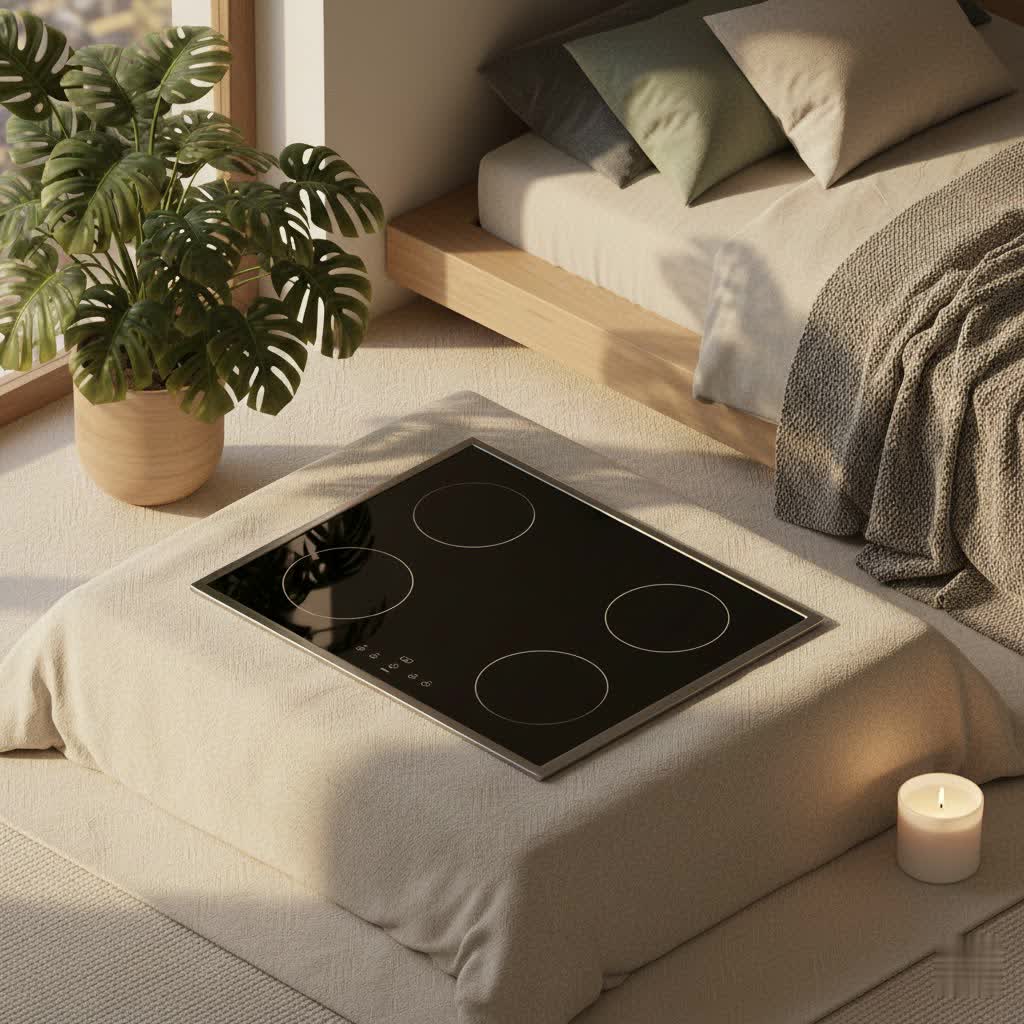
An induction cooktop represents a revolutionary approach to cooking, utilizing electromagnetic energy to heat cookware directly, rather than heating the surface of the cooktop itself. Beneath the smooth, often glass-ceramic surface, electromagnetic coils generate a fluctuating magnetic field. When a compatible, ferrous metal pan (like magnetic stainless steel or cast iron) is placed on the burner, this magnetic field induces electric currents within the pan. This process efficiently heats the pan and its contents, while the cooktop surface remains relatively cool to the touch. This innovative technology has become increasingly mainstream, especially as consumers seek more energy-efficient and environmentally friendly alternatives to traditional gas or electric stoves.
Advantages and Disadvantages of Induction Cooktops
Induction cooking offers a compelling blend of benefits and a few considerations to keep in mind before making the switch.
Advantages:
- High Energy Efficiency: Induction cooktops are remarkably efficient, transferring up to 90% of their electromagnetic energy directly to the cookware. This means less energy is wasted into the surrounding air, leading to faster cooking times and lower utility bills compared to gas or traditional electric counterparts.
- Safe to Use: Without an open flame or glowing electric element, induction cooktops are inherently safer. The surface remains cool (only heating from residual warmth of the pan), significantly reducing the risk of accidental burns. Features like automatic shut-off when cookware is removed and control locks further enhance safety, making them ideal for households with children or pets.
- Easy to Clean: The smooth, flat glass surface of an induction cooktop simplifies cleanup. Since the cooktop itself doesn’t get hot, spills and splatters rarely bake onto the surface. A quick wipe with a damp cloth is usually all it takes to keep it pristine.
- Precise Temperature Control: Induction offers instant and highly precise temperature adjustments, rivalling the responsiveness of gas and far surpassing electric coil or radiant cooktops. This allows for fine-tuned simmering, rapid boiling, and consistent heat for delicate sauces or searing.
- Fast Cooking Speed: Water boils in minutes on an induction cooktop, often significantly faster than on a gas or electric stove. This speed can dramatically reduce meal preparation times, a valuable asset in busy modern lives.
|
Our Picks for the Best Induction Cooktop in 2026
As an Amazon Associate I earn from qualifying purchases.
|
||
| Num | Product | Action |
|---|---|---|
| 1 | ChangBERT Induction Cooktop, Commercial Grade Portable Cooker, Large 8” Heating Coil, Premium Stainless Steel Countertop Burner with NSF Certified, 10 Hours Timer Powerful 1800W Professional Hot Plate |

|
| 2 | VoltCuisine 24 Inch Double Induction Cooktop, Button Control, 1800W Power Sharing, Low Power Continuous Heating, Portable Countertop Electric Cooker |
|
| 3 | Duxtop 1800W Portable Induction Cooktop Countertop Burner, Gold 8100MC/BT-180G3 |
|
| 4 | ChangBERT Portable Induction Cooktop Enhanced Version, One-Click Max Power 1800W Large Heating Coil Burner, Precise Temperature Control, NSF Certified, Low Noise Hot Plate for Home & Commercial |
|
| 5 | Nuwave Pro Chef Induction Cooktop, NSF-Certified, Commercial-Grade, Portable, Powerful 1800W, Large 8” Heating Coil, 94 Temp Settings 100°F - 575°F in 5°F, Shatter-Proof Ceramic Glass Surface |
|
| 6 | 30 Inch Gas Cooktop, TOPWISH Gas Stove Top with 5 High Efficiency SABAF Burners, 41400 BTU, NG/LPG Convertible 304 Stainless Steel Built-in Propane Stovetop with Thermocouple Protection, 120V AC |
|
| 7 | Duxtop 1800W Portable Induction Cooktop Countertop Burner, Black 9100MC/BT-M20B |
|
| 8 | Cooktron 2-in-1 Induction Cooktop with Grill Pan – Portable 1 Burner Induction Hot Plate 1800W, Removable Griddle, 10 Power & 5 Temp Levels, Touch & Knob Control for Kitchen or RV Camping |
|
| 9 | Duxtop Portable Induction Cooktop Burner, Induction Hot Plate with LCD Sensor Touch 1800 Watts, Silver 9600LS/BT-200DZ |
|
| 10 | Nuwave Flex Precision Induction Cooktop, 10.25” Shatter-Proof Ceramic Glass, 6.5” Heating Coil, 45 Temps from 100°F to 500°F, 3 Wattage Settings 600, 900 & 1300 Watts, Black |
|
Disadvantages:
- Higher Initial Cost: Induction cooktops generally carry a higher upfront price tag than conventional electric or gas models. However, this investment can be offset over time by their superior energy efficiency.
- Specific Cookware Required: A crucial consideration is that induction cooktops only work with magnetic cookware. While many stainless steel, cast iron, and enamel-on-steel pots and pans are compatible, older or non-magnetic materials like aluminum, copper, or glass will not heat up unless they have an induction-ready base.
- Potential for Noise: Some users report a faint humming or buzzing sound, especially at higher power settings or when using lighter or cheaper cookware. This is usually due to the vibration of the pan’s magnetic base and is generally minimal with quality, flat-bottomed cookware.
- Power Dependency: Unlike gas cooktops, induction systems rely on electricity and will not function during a power outage.
Types of Induction Cooktops
Induction cooktops come in various configurations to suit different kitchen layouts and cooking needs. While the cooking surface itself is typically glass-ceramic, the “stainless steel” aspect often refers to the trim, frame, or accents that give the appliance a sleek, modern finish.
- Portable/Single Burner Cooktops: Compact and versatile, these are perfect for small kitchens, dorms, outdoor cooking, or as an extra burner when hosting.
- Double/Multiple Zone Cooktops: Offering two or more cooking zones, these are common built-in or freestanding models that provide ample space for daily cooking.
- Built-in/Integrated Cooktops: Designed to be seamlessly installed into countertops, these models offer a streamlined and contemporary aesthetic. They are ideal for custom kitchen designs.
- Freestanding Induction Ranges: These combine an induction cooktop with a conventional oven into a single, cohesive unit, providing a complete cooking solution.
Stainless Steel and Induction Cooktops: Compatibility Explained
The term “stainless steel induction cooktop” often highlights the elegant, durable stainless steel trim or frame that many high-end induction units feature. However, it’s equally important to discuss stainless steel cookware compatibility, as this is where the magnetic magic happens.
Most stainless steel cookware is induction compatible because it contains iron, giving it the necessary ferrous properties to interact with the cooktop’s magnetic field. However, not all stainless steel is created equal. Stainless steel with a high nickel content (e.g., certain grades of 18/10 stainless steel) can be non-magnetic, and thus, unsuitable for induction cooking.
A simple magnet test is the easiest way to determine compatibility: if a magnet sticks firmly to the bottom of your pot or pan, it will work on an induction cooktop. Many quality stainless steel cookware sets feature a multi-clad construction, sandwiching an aluminum or copper core between layers of magnetic stainless steel. This design not only ensures induction compatibility but also provides superior heat conduction and even distribution, combining the best of both worlds. Using durable stainless steel cookware on an induction surface enhances browning, searing, and deglazing, making it a favorite among home cooks and professional chefs alike.
Comparing Induction Cooktops with Other Cooktop Types
Understanding how induction technology stacks up against gas and traditional electric cooktops can help clarify its unique advantages.
Comparison Table:
| Feature | Induction Cooktop | Gas Cooktop | Electric Cooktop |
|---|---|---|---|
| Energy Efficiency | High (approx. 90%) | Medium (approx. 40-55%) | Low (approx. 70-75%) |
| Safety | High (cool surface, no flame) | Low (open flame, gas leaks) | Medium (hot surface, slow cool) |
| Cooking Speed | Fast, instant boil | Medium-Fast | Slow |
| Temperature Control | Precise, immediate | Good, immediate | Less precise, slow response |
| Initial Cost | High | Medium | Low |
| Cookware Flexibility | Low (magnetic only) | High (any) | High (any flat-bottomed) |
| Cleaning Ease | High (smooth, cool surface) | Low (grates, burners) | Medium (spills bake on) |
Criteria for Choosing a Stainless Steel Induction Cooktop (Buying Guide)
Selecting the right induction cooktop, especially one with appealing stainless steel aesthetics, involves considering several key factors to match your cooking style and kitchen design.
- Power/Wattage: Higher wattage translates to faster heating and more powerful cooking. Look for models with a strong “power boost” function for rapid boiling.
- Size and Design: Consider the number of cooking zones you need (from single portable burners to large five-burner built-in units). Assess the overall dimensions to ensure it fits your countertop cutout. If a “stainless steel induction cooktop” is your keyword, pay attention to the trim and aesthetic details for a cohesive kitchen look.
- Features: Modern induction cooktops boast a variety of features. Look for bridging elements that combine two burners for larger griddles, precise temperature settings, built-in timers, and safety functions like control locks and automatic pan detection. Some advanced models even offer Wi-Fi connectivity for smart home integration.
- Safety Features: Prioritize safety with features such as child lock, auto-shutoff when a pot boils over or is removed, and residual heat indicators.
- Brand Reputation: Research reputable brands known for their quality and reliability in induction technology. Leading brands often include Bosch, GE Profile, Samsung, KitchenAid, Frigidaire, and Miele.
- Price and Warranty: Set a budget and compare models within your range. A good warranty offers peace of mind for your investment. Remember that while the initial cost may be higher, energy savings can contribute to long-term value.
- Cookware Investment: Factor in the potential need to invest in new, induction-compatible stainless steel cookware if your current collection isn’t magnetic.
Top Stainless Steel Induction Cooktop Brands
Several manufacturers offer high-quality induction cooktops that often feature elegant stainless steel trims or accents, blending performance with sophisticated kitchen design.
- Bosch: Known for German engineering and precision, Bosch offers a range of induction cooktops with sleek designs and advanced features like AutoChef for precise temperature control. Many models incorporate stainless steel framing.
- GE Profile: These cooktops often provide a balance of features, flexibility, and value, with options for stainless steel trimmed variations. They frequently include powerful elements and sync burners.
- Samsung: Samsung offers innovative induction cooktops with features like “Virtual Flame” LED lighting to visually indicate heat levels, often presented with modern stainless steel finishes.
- KitchenAid: With a focus on design and culinary performance, KitchenAid induction cooktops often boast robust construction and elegant stainless steel elements.
- Frigidaire Professional: Offering professional-grade features and aesthetics, Frigidaire Professional induction cooktops frequently come with stainless steel details that appeal to serious home cooks.
- Miele: A premium brand, Miele provides high-end induction cooktops with superior performance, frameless designs, and meticulous craftsmanship, often featuring stainless steel for durability and style.
Using and Maintaining Your Stainless Steel Induction Cooktop
Proper use and maintenance will ensure your stainless steel induction cooktop remains a centerpiece of your kitchen for years to come.
Safe and Efficient Use:
- Correct Cookware Placement: Always ensure your induction-compatible stainless steel cookware is centered on the cooking zone for optimal heating.
- Gradual Heating: While induction is fast, preheating your stainless steel pans gradually, especially for delicate tasks, can help achieve better results and protect your cookware.
- Do Not Leave Unattended: Due to their rapid heating capabilities, food can cook quickly. Always monitor your cooking to prevent overcooking or boil-overs.
- Use Appropriate Settings: Familiarize yourself with the various power levels and temperature settings. For simmering, a lower setting is often more than sufficient.
Cleaning and Care:
- Cooktop Surface: The smooth glass surface is simple to clean. After the cooktop has cooled, wipe away any spills with a soft cloth and mild detergent. For stubborn marks, a specialized ceramic cooktop cleaner can be used. Since food rarely bakes onto the cool surface, cleaning is generally effortless.
- Stainless Steel Trim/Accents: For any stainless steel trim or accents, use a non-abrasive stainless steel cleaner and a soft cloth to maintain its shine and prevent water spots or fingerprints. Always wipe with the grain of the stainless steel.
- Avoid Harsh Cleaners: Steer clear of abrasive pads, scourers, or harsh chemical cleaners, as these can scratch or damage both the glass surface and the stainless steel components.
Common Issues & Troubleshooting:
- Noise: If you hear a slight humming or buzzing, it’s often normal. Using heavier, flat-bottomed stainless steel pans can help minimize this sound.
- Cookware Not Detected: Ensure your cookware is induction-compatible (perform the magnet test) and that the pan covers a sufficient portion of the cooking zone.
- Error Codes: Consult your appliance manual for specific error codes and their corresponding solutions.
Comparison Table: Popular Induction Cooktop Models with Stainless Steel Aesthetics
| Model | Brand | Power (Watts) | Zones | Key Features | Est. Price |
|---|---|---|---|---|---|
| Profile 36″ Flex | GE Profile | Up to 3700 | 5 (bridge) | Power boost, sync burners, Wi-Fi | $$$ |
| 800 Series 30″ | Bosch | Up to 3700 | 4 | AutoChef, precise temperature control | $$$ |
| Chef Collection | Samsung | Up to 3600 | 5 | Virtual Flame, Flex Zone, Rapid Boil | $$$ |
| Professional 30″ | Frigidaire Pro | Up to 3400 | 4 | Express-Select controls, keep warm setting | $$ |
Conclusion
The stainless steel induction cooktop represents a pinnacle of modern kitchen technology, marrying exceptional performance with sophisticated design. Its unparalleled energy efficiency, rapid heating, precise temperature control, and enhanced safety features make it an ideal choice for any discerning home chef. The easy-to-clean glass surface, often complemented by durable and elegant stainless steel trim, adds a touch of timeless style to your culinary space. While requiring an initial investment and specific magnetic cookware, the long-term benefits in terms of cooking experience, energy savings, and kitchen aesthetics are undeniable. Are you ready to transform your culinary journey with the power and elegance of an induction cooktop?
Frequently Asked Questions
Are all stainless steel pots and pans compatible with induction cooktops?
No, not all stainless steel pots and pans are compatible. Stainless steel needs to have magnetic properties due to its iron content to work on an induction cooktop. A simple magnet test can determine compatibility: if a magnet sticks firmly to the bottom of the pan, it will work. Stainless steel with a high nickel content is generally non-magnetic and will not work.
How do I clean a stainless steel induction cooktop?
The glass surface of an induction cooktop is easy to clean as spills don’t bake on. Use a soft cloth and mild dish soap or a specialized cooktop cleaner after the surface has cooled. For any stainless steel trim or accents, use a non-abrasive stainless steel cleaner, wiping with the grain, to maintain its shine and prevent water spots.
What noise can I expect from an induction cooktop with stainless steel cookware?
Induction cooktops can sometimes produce a faint humming or buzzing sound, particularly at higher power settings or when using certain types of cookware. This is typically due to the vibration of the pan’s magnetic base as it interacts with the electromagnetic field. Heavier, flat-bottomed stainless steel pans tend to minimize this noise more effectively.
Is a stainless steel induction cooktop more durable?
The term “stainless steel induction cooktop” usually refers to the trim or frame, as the cooking surface itself is a durable glass-ceramic. The stainless steel trim contributes to the appliance’s overall durability by resisting corrosion and impacts, while also adding a sleek, professional aesthetic. The glass cooking surface is designed to be robust but can scratch if not cared for properly.
Why choose stainless steel induction cookware over other materials?
Stainless steel cookware, especially multi-clad options, offers excellent heat distribution and retention, making it highly effective for induction cooking. It’s durable, non-reactive, and versatile for a wide range of cooking tasks, including searing, sautéing, and deglazing. Many high-quality stainless steel sets are specifically engineered to be induction-compatible, providing both superior performance and a classic appearance.
