Stepping into a modern kitchen often brings you face-to-face with sleek, innovative appliances designed to transform your cooking experience. Among these, the induction cooktop stands out, promising unparalleled speed, precision, and safety. If you’re tired of unevenly cooked meals, slow boil times, or the lingering heat of traditional stovetops, an induction cooktop might be the game-changer you need. This comprehensive guide will navigate you through everything about induction cooktops, helping you understand their technology, benefits, types, and how to choose the perfect one for your home.
What is an Induction Cooktop?
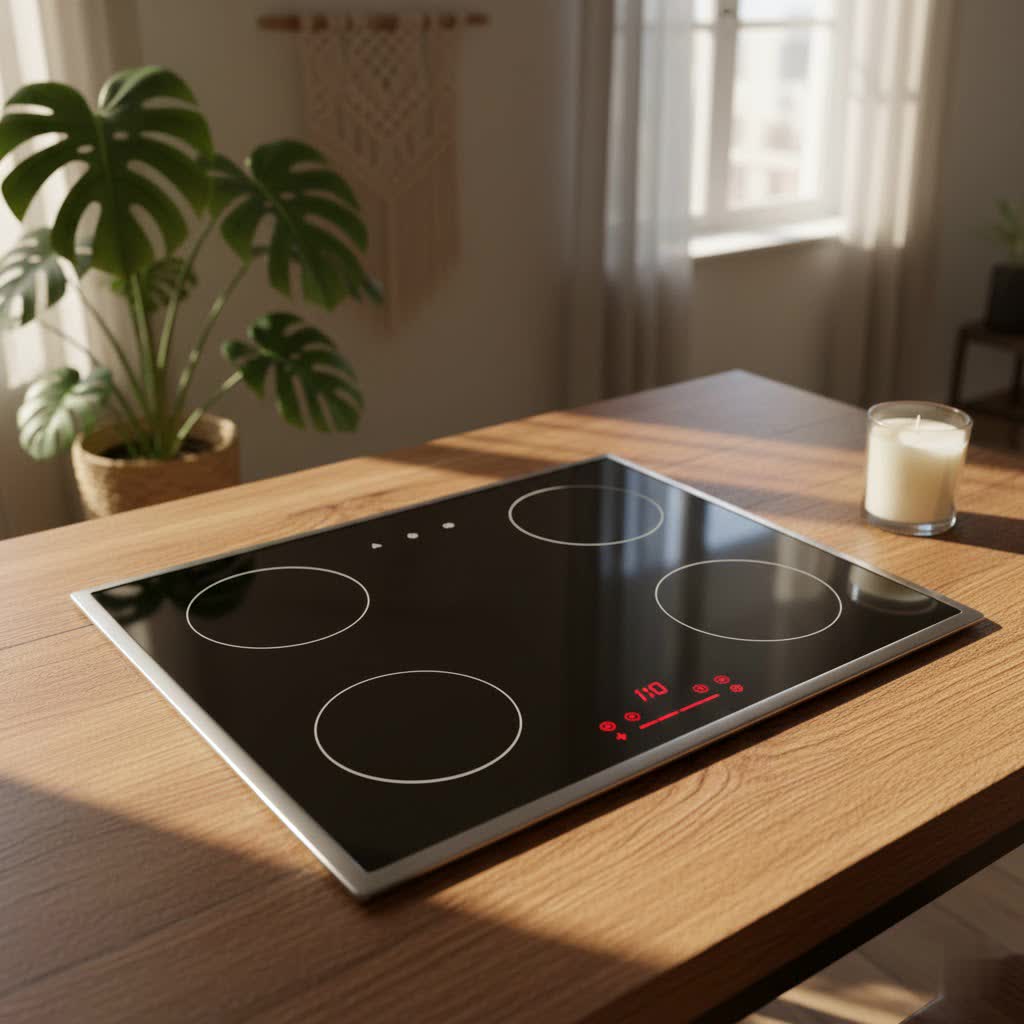
An induction cooktop is an advanced kitchen appliance that uses electromagnetic energy to directly heat your cookware. Unlike traditional gas or electric cooktops that transfer heat from an external source to the pot, an induction cooktop turns the pot or pan itself into the heat generator. Beneath the smooth, ceramic glass surface, copper coils create a magnetic field when activated. When a compatible (magnetic) pot is placed on this field, electrical currents are induced within the cookware, generating instant heat directly at the base of your pan. This revolutionary method bypasses the need to heat the cooktop surface first, leading to remarkably fast and efficient cooking.
Advantages and Disadvantages of Induction Cooktops
Like any kitchen appliance, induction cooktops come with their own set of benefits and drawbacks. Understanding these can help you make an informed decision for your culinary space.
Advantages:
- High Energy Efficiency: Induction cooktops are incredibly efficient, typically transferring about 90% of their heat directly to the cookware. This significantly minimizes wasted energy compared to gas (40-55%) or traditional electric (65-70%) stovetops, leading to lower energy bills and a greener footprint.
- Enhanced Safety: With no open flame and a surface that remains relatively cool to the touch (heat is generated in the pan, not the cooktop), induction dramatically reduces the risk of burns and accidental fires. Features like automatic shut-off when cookware is removed further enhance safety, making them ideal for households with children.
- Precise Temperature Control: Induction offers instant and highly accurate temperature adjustments, comparable to or even surpassing gas. You can go from a rolling boil to a gentle simmer almost immediately, providing superior control for delicate sauces or searing steaks to perfection.
- Faster Cooking Speed: Due to direct heat transfer, induction cooktops heat up and cool down much faster than conventional methods. Water boils in a fraction of the time, cutting down overall cooking durations.
- Effortless Cleaning: The smooth, flat glass surface of an induction cooktop doesn’t get hot enough to bake on spills or splatters. This makes cleanup incredibly easy – a simple wipe with a damp cloth is often all it takes.
- Cooler Kitchen Environment: Less heat is radiated into the kitchen air, keeping your cooking space cooler and more comfortable, especially during warmer months.
- Improved Indoor Air Quality: Unlike gas stoves, induction cooktops do not emit combustion byproducts like nitrogen dioxide and carbon monoxide, contributing to healthier indoor air.
|
Our Picks for the Best Induction Cooktop in 2026
As an Amazon Associate I earn from qualifying purchases.
|
||
| Num | Product | Action |
|---|---|---|
| 1 | Duxtop 1800W Portable Induction Cooktop Countertop Burner, Black 9100MC/BT-M20B |

|
| 2 | Cooktron 2-in-1 Induction Cooktop with Grill Pan – Portable 1 Burner Induction Hot Plate 1800W, Removable Griddle, 10 Power & 5 Temp Levels, Touch & Knob Control for Kitchen or RV Camping |
|
| 3 | Nuwave Flex Precision Induction Cooktop, 10.25” Shatter-Proof Ceramic Glass, 6.5” Heating Coil, 45 Temps from 100°F to 500°F, 3 Wattage Settings 600, 900 & 1300 Watts, Black |
|
| 4 | ChangBERT Portable Induction Cooktop Enhanced Version, One-Click Max Power 1800W Large Heating Coil Burner, Precise Temperature Control, NSF Certified, Low Noise Hot Plate for Home & Commercial |
|
| 5 | VoltCuisine 24 Inch Double Induction Cooktop, Button Control, 1800W Power Sharing, Low Power Continuous Heating, Portable Countertop Electric Cooker |
|
| 6 | Duxtop Portable Induction Cooktop Burner, Induction Hot Plate with LCD Sensor Touch 1800 Watts, Silver 9600LS/BT-200DZ |
|
| 7 | Nuwave Pro Chef Induction Cooktop, NSF-Certified, Commercial-Grade, Portable, Powerful 1800W, Large 8” Heating Coil, 94 Temp Settings 100°F - 575°F in 5°F, Shatter-Proof Ceramic Glass Surface |
|
| 8 | Duxtop 1800W Portable Induction Cooktop Countertop Burner, Gold 8100MC/BT-180G3 |
|
| 9 | 30 Inch Gas Cooktop, TOPWISH Gas Stove Top with 5 High Efficiency SABAF Burners, 41400 BTU, NG/LPG Convertible 304 Stainless Steel Built-in Propane Stovetop with Thermocouple Protection, 120V AC |
|
| 10 | ChangBERT Induction Cooktop, Commercial Grade Portable Cooker, Large 8” Heating Coil, Premium Stainless Steel Countertop Burner with NSF Certified, 10 Hours Timer Powerful 1800W Professional Hot Plate |
|
Disadvantages:
- Higher Initial Cost: Induction cooktops generally have a higher upfront purchase price compared to conventional gas or electric models, though prices are becoming more competitive.
- Cookware Compatibility: Induction cooking requires specific magnetic cookware (e.g., cast iron, magnetic stainless steel). Non-magnetic materials like aluminum, copper, or glass will not work. You may need to invest in new pots and pans if your existing collection is not compatible. A simple magnet test can determine if your current cookware is suitable.
- Potential for Noise: Some users report hearing a slight buzzing or humming sound, especially at higher settings or with certain types of cookware, due to the electromagnetic field. This is generally minimal and often subsides when food is added to the pan.
- Surface Scratching: The glass-ceramic surface, while easy to clean, can be prone to scratches if cookware is dragged across it or if abrasive cleaners are used.
- Electrical Requirements: Most induction cooktops and ranges require a dedicated 220-240V electrical circuit and 40-50 amps to operate, which might necessitate electrical upgrades in older homes or those previously equipped with gas stoves.
Common Types of Induction Cooktops on the Market
Induction technology is integrated into various forms to suit different kitchen layouts and cooking needs.
- Single (Portable) Induction Cooktops: These compact, plug-in units typically feature one cooking zone. They are excellent for small spaces, as an extra burner, or for temporary use in dorms, RVs, or for catering events. They are also a great way to try out induction cooking before committing to a full installation.
- Double Induction Cooktops: Offering two cooking zones, these models provide more flexibility for preparing multiple dishes simultaneously. They are also available in portable and built-in formats.
- Multiple Zone Induction Cooktops (3-5 zones): These are the most common built-in or freestanding induction cooktops, designed to replace traditional stovetops. They offer multiple burners, often of varying sizes and power levels, to accommodate diverse cooking tasks.
- Built-in Induction Cooktops (Integrated): Designed to be seamlessly installed into your countertop, these cooktops offer a sleek, flush look that integrates well with modern kitchen aesthetics. They require professional installation and a dedicated electrical connection.
- Freestanding Induction Ranges: These units combine an induction cooktop with an electric convection oven, offering a complete cooking solution in a single appliance. They are a popular choice for full kitchen renovations or replacements.
- Zoneless Induction Cooktops: Some advanced models feature a “full-surface” or “zoneless” design, allowing you to place pots and pans of various sizes anywhere on the cooktop surface. The cooktop automatically detects and heats the cookware, offering maximum flexibility.
Comparing Induction Cooktops with Other Stove Types
To truly appreciate an induction cooktop, it helps to see how it stacks up against its gas and traditional electric counterparts.
Comparison Table:
| Feature | Induction Cooktop | Gas Cooktop | Electric Cooktop |
|---|---|---|---|
| Energy Efficiency | High (approx. 90%) | Medium (40-55%) | Low (65-70%) |
| Safety | High (cool surface, no flame) | Low (open flame, hot grates) | Medium (hot surface) |
| Cooking Speed | Very Fast | Medium | Slow |
| Temperature Control | Precise & Instant | Precise (visual flame) | Slower Response |
| Price | High | Medium | Low |
| Cookware | Magnetic only | Any type | Any flat-bottom |
| Cleaning | Very Easy | Difficult (grates) | Easy (flat surface, can bake on spills) |
| Heat in Kitchen | Minimal | High | Medium |
| Air Quality | Excellent | Lower (emissions) | Good |
> “Induction is essentially the best of both worlds – the instant control of gas with the energy efficiency and easy cleanup of electric, all while keeping your kitchen cooler and safer.” – John Smith, Culinary Technology Expert
Key Criteria for Choosing an Induction Cooktop (Buying Guide)
Selecting the right induction cooktop requires considering several factors to ensure it meets your specific cooking style and kitchen needs.
- Power (Wattage): Higher wattage generally means faster heating. Look for models with a good range of power settings, often from 1 to 9, plus a “boost” function for rapid boiling or searing. A higher total wattage for multi-burner units can prevent power-sharing issues where one burner reduces power when another is boosted.
- Size and Design: Consider your kitchen space and cooking habits. Induction cooktops come in various sizes (e.g., 24, 30, 36 inches) and designs (built-in, freestanding range, portable). Ensure the number of cooking zones and their layout (e.g., bridge elements for griddles) fit your typical cookware and meal preparation.
- Number of Cooking Zones: Depending on how many dishes you typically cook at once, choose between single, double, or multi-zone (three, four, or five burners) cooktops.
- Safety Features: Look for crucial safety features such as:
- Automatic Shut-off: Turns off the burner when cookware is removed or after a set period of inactivity.
- Child Lock: Prevents accidental activation of the cooktop.
- Residual Heat Indicators: “H” indicator lights up to warn you if a zone is still hot from residual heat transferred from the pan.
- Pan Detection: Ensures the cooktop only activates when compatible cookware is present.
- Overflow Sensors: Some advanced models detect spills and automatically shut down.
- Brand and Reliability: Research reputable brands known for their quality and customer service. Check reviews for long-term reliability and service rates.
- Price: Induction cooktops vary widely in price. Determine your budget and balance it against the features and brand reliability you desire. Remember to factor in potential installation costs.
- Warranty: A good warranty provides peace of mind. Check the warranty period for parts and labor.
- Control Type: Most induction cooktops feature touch controls, which offer a sleek look and are easy to clean. Some prefer physical knobs for tactile feedback.
- Smart Features: Modern induction cooktops often include smart capabilities like Wi-Fi connectivity for remote monitoring, recipe integration, and app control, offering added convenience.
Top Induction Cooktop Brands
The market offers a wide array of induction cooktops from various manufacturers, each with unique strengths. Here are some of the most reputable brands:
- Bosch: Renowned for precision, reliability, and sleek design. Bosch’s 500 and 800 series are highly regarded, often featuring AutoChef for consistent cooking and FlexInduction zones.
- GE Profile/Cafe: Known for innovative features like Power Boil Boost, SyncBurners (bridge elements), and smart home connectivity. Cafe, a premium line from GE, combines professional performance with customizable aesthetics.
- Electrolux: Offers a range of induction cooktops with precise temperature control and user-friendly interfaces.
- Philips: A strong contender in the portable induction cooktop market, offering reliable and efficient single-burner units.
- Samsung: Integrates smart technology (SmartThings app) and modern design, with features like Power Boost mode and digital glass touch controls.
- LG Studio: Combines advanced features and sleek design, often including multiple radiant elements and steady heat technology.
- Wolf: Known for professional-grade performance, durability, and robust features like boost mode and strong pot recognition.
- Thermador: Features advanced technology like “Freedom” induction, allowing flexible placement of cookware across the entire surface.
- Gaggenau: High-end brand offering cutting-edge full-surface induction technology and exceptional performance.
- Frigidaire: Often provides good value, with models that include bridge burners and auto-sizing technology.
- Duxtop: A popular choice for portable induction burners, offering reliable performance and user-friendly controls at an affordable price.
Guide to Using and Maintaining Your Induction Cooktop
Proper usage and regular maintenance are key to maximizing the performance and lifespan of your induction cooktop.
How to Use Your Induction Cooktop Safely and Effectively:
- Check Cookware Compatibility: Always ensure your pots and pans are induction-compatible. A simple magnet test (if a magnet sticks firmly to the bottom, it’s compatible) is essential before use.
- Proper Placement: Center your cookware over the designated cooking zone. While some advanced models allow for more flexibility, proper placement ensures optimal heating and engagement of the cooktop’s sensors.
- Start Low, Go Slow: Induction heats rapidly. Begin with lower power settings and gradually increase as needed, especially when you’re new to induction cooking, to avoid overcooking or burning food.
- Utilize Features: Experiment with features like boost mode for quick heating, simmer settings for delicate dishes, and timers for precise cooking.
- Monitor Food: Due to rapid heating, keep a close eye on your food to prevent overcooking.
How to Clean and Maintain Your Induction Cooktop:
- Prompt Cleaning: Wipe up spills and splatters immediately after they occur with a damp cloth or sponge. Since the surface doesn’t get excessively hot, spills are less likely to bake on.
- Cool Down First: Always allow the cooktop to cool completely before cleaning to prevent burns and to make cleaning more effective. The “H” indicator will disappear when it’s safe to touch.
- Use Gentle Cleaners: Use a mild dish soap, specialized ceramic cooktop cleaner, or a mixture of white vinegar and water. Avoid abrasive scrubbers, steel wool, or harsh chemicals that can scratch the glass surface.
- Remove Stubborn Residue: For burned-on food, use a plastic cooktop scraper designed for glass surfaces. Apply a small amount of cooktop cleaner and gently scrape, then wipe clean.
- Clean Underneath (for portable units): Ensure the fan vents are free from dust and debris to prevent overheating.
- Inspect Regularly: Periodically check the cooktop surface for any cracks, chips, or damage. Address any issues promptly, contacting a professional if necessary.
Common Problems and How to Fix Them:
- Cooktop Not Heating:
- Solution: Verify cookware compatibility with a magnet. Ensure the pot is centered on the cooking zone. Check if the circuit breaker is tripped or if the cooktop is properly plugged in.
- Uneven Heating:
- Solution: Use flat-bottomed, induction-compatible cookware that matches the size of the cooking zone. Warped pans can cause uneven heating.
- Display Lights Flashing/Error Codes:
- Solution: This often indicates incompatible cookware, overheating (let it cool), or a pan being too small/removed. Refer to your user manual for specific error codes and troubleshooting steps. Power cycling the unit (turning off the circuit breaker for 30 seconds) can sometimes resolve electronic glitches.
- Unusual Noises:
- Solution: A slight buzzing or humming is normal. Loud grinding or rattling may indicate fan obstruction (check vents) or internal issues, requiring professional service.
Comparison Table of Top Induction Cooktop Models (2024)
| Model | Brand | Power (Wattage) | Number of Zones | Key Features | Price Range (Approx.) |
|---|---|---|---|---|---|
| 800 Series NIT8060UC | Bosch | Up to 3700W | 4 | AutoChef, Precise Temp. Control | $1,800 – $2,200 |
| Profile PHP9036SJSS | GE Profile | Up to 3700W | 4 | Power Boil Boost, SyncBurners, Wi-Fi | $1,500 – $1,900 |
| Gallery FGIC3066TD | Frigidaire | Up to 3400W | 4 | Auto-Sizing, Bridge Element | $1,000 – $1,400 |
| NZ36C706ABK/AA | Samsung | Up to 3700W | 4 | Wi-Fi Connect, Power Boost | $1,300 – $1,700 |
| Duxtop 9600LS | Duxtop | 1800W | 1 (Portable) | Digital Controls, Lightweight | $80 – $120 |
Prices are approximate and can vary based on retailer, promotions, and specific configurations.
Conclusion
Induction cooktops represent the pinnacle of modern kitchen technology, offering a cooking experience that is faster, safer, more efficient, and incredibly precise. While the initial investment and the need for compatible cookware might seem like hurdles, the long-term benefits in energy savings, ease of use, and culinary control often outweigh these considerations. By understanding how they work, their advantages, and how to properly care for them, you can confidently choose an induction cooktop that not only elevates your kitchen’s aesthetic but also revolutionizes your everyday cooking. Are you ready to embrace the future of cooking with induction?
