Stepping into a modern kitchen often means encountering appliances that blend cutting-edge technology with sleek design. Among these, the Samsung induction cooktop stands out as a prime example, offering a cooking experience that is both efficient and intuitive. For anyone considering an upgrade, understanding the unique features and significant benefits of Samsung’s induction technology is essential. This comprehensive guide will explore what makes these cooktops a game-changer, helping you determine if a Samsung induction cooktop is the perfect fit for your culinary aspirations.
What is an Induction Cooktop?
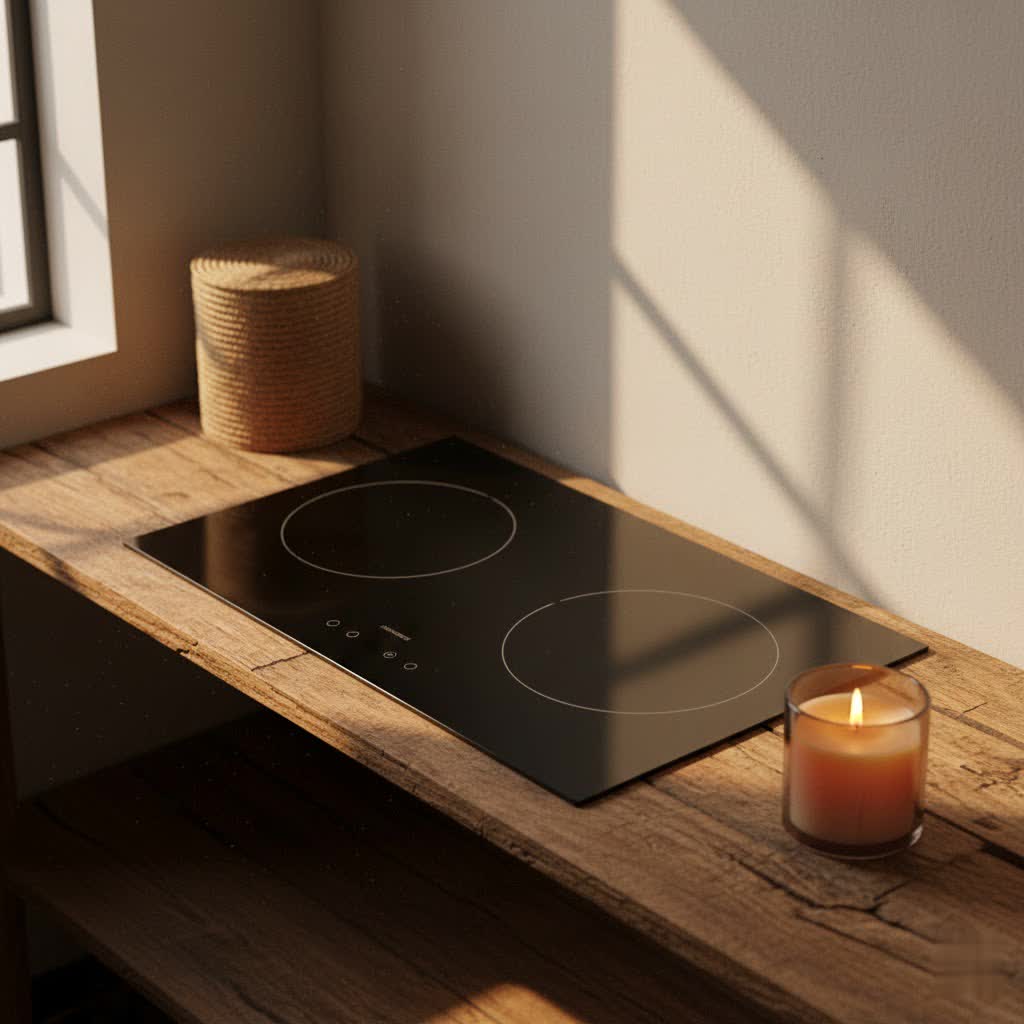
An induction cooktop represents a significant leap from traditional cooking methods. At its core, an induction cooktop is a flat, ceramic glass surface that utilizes electromagnetism to generate heat. Unlike gas stoves that rely on an open flame or electric cooktops that use radiant heat from coils, induction directly heats the cookware itself.
The magic happens beneath the smooth glass surface, where a copper coil generates an alternating electric current, creating a magnetic field. When a compatible, ferromagnetic pot or pan (such as cast iron or certain stainless steel) is placed on the cooking zone, this magnetic field induces an electric current within the base of the cookware. This current then rapidly generates heat directly inside the pan, cooking your food with remarkable speed and precision. The cooktop surface itself only becomes warm from the residual heat transferred from the hot pan, making it safer to touch than conventional electric burners.
Advantages and Disadvantages of Samsung Induction Cooktops
Samsung induction cooktops are celebrated for their innovative features and performance, but like any appliance, they come with their own set of pros and cons.
Advantages:
- High Energy Efficiency: By directly heating the cookware, induction technology minimizes heat loss to the surrounding air, making Samsung induction cooktops incredibly energy efficient. This can lead to noticeable savings on your energy bills over time.
- Enhanced Safety: A key benefit of induction is that the cooktop surface remains relatively cool to the touch, significantly reducing the risk of accidental burns. Samsung models often incorporate safety features like child safety locks, preventing unintended activation, and automatic shut-off functions that turn off the burner if a pan is removed or left unattended.
- Effortless Cleaning: The smooth, flat ceramic glass surface of a Samsung induction cooktop is incredibly easy to clean. Since food spills don’t bake onto a scorching hot surface, wiping them away with a damp cloth is typically all it takes, saving you valuable time and effort.
- Precise Temperature Control: Samsung induction cooktops offer exceptionally precise temperature control, allowing you to make minute adjustments to the heat. This level of responsiveness is comparable to gas cooktops, making it ideal for delicate tasks like simmering sauces, melting chocolate, or searing meats to perfection.
- Rapid Cooking Speed: Thanks to the direct heat transfer, induction cooktops heat up much faster than conventional electric or gas stoves. Features like Samsung’s “Power Boost” can bring water to a rolling boil in a matter of minutes, dramatically cutting down on cooking times.
- Sleek, Modern Design: With their minimalist, flat ceramic glass surface, Samsung induction cooktops add a touch of contemporary elegance to any kitchen aesthetic. Many models offer customizable control options, including intuitive touch controls or removable magnetic knobs, blending form and function seamlessly.
- Smart Connectivity: Many Samsung induction cooktops feature Wi-Fi connectivity and integration with the SmartThings app, allowing for remote monitoring and control from your smartphone. Some advanced models even include “Virtual Flame” technology, which uses LED lights to project the visual appearance of a gas flame onto the bottom of the pan, offering familiar visual feedback.
|
Our Picks for the Best Induction Cooktop in 2026
As an Amazon Associate I earn from qualifying purchases.
|
||
| Num | Product | Action |
|---|---|---|
| 1 | Duxtop 1800W Portable Induction Cooktop Countertop Burner, Gold 8100MC/BT-180G3 |

|
| 2 | Cooktron 2-in-1 Induction Cooktop with Grill Pan – Portable 1 Burner Induction Hot Plate 1800W, Removable Griddle, 10 Power & 5 Temp Levels, Touch & Knob Control for Kitchen or RV Camping |
|
| 3 | Duxtop Portable Induction Cooktop Burner, Induction Hot Plate with LCD Sensor Touch 1800 Watts, Silver 9600LS/BT-200DZ |
|
| 4 | Nuwave Flex Precision Induction Cooktop, 10.25” Shatter-Proof Ceramic Glass, 6.5” Heating Coil, 45 Temps from 100°F to 500°F, 3 Wattage Settings 600, 900 & 1300 Watts, Black |
|
| 5 | ChangBERT Induction Cooktop, Commercial Grade Portable Cooker, Large 8” Heating Coil, Premium Stainless Steel Countertop Burner with NSF Certified, 10 Hours Timer Powerful 1800W Professional Hot Plate |
|
| 6 | Duxtop 1800W Portable Induction Cooktop Countertop Burner, Black 9100MC/BT-M20B |
|
| 7 | ChangBERT Portable Induction Cooktop Enhanced Version, One-Click Max Power 1800W Large Heating Coil Burner, Precise Temperature Control, NSF Certified, Low Noise Hot Plate for Home & Commercial |
|
| 8 | Nuwave Pro Chef Induction Cooktop, NSF-Certified, Commercial-Grade, Portable, Powerful 1800W, Large 8” Heating Coil, 94 Temp Settings 100°F - 575°F in 5°F, Shatter-Proof Ceramic Glass Surface |
|
| 9 | VoltCuisine 24 Inch Double Induction Cooktop, Button Control, 1800W Power Sharing, Low Power Continuous Heating, Portable Countertop Electric Cooker |
|
| 10 | 30 Inch Gas Cooktop, TOPWISH Gas Stove Top with 5 High Efficiency SABAF Burners, 41400 BTU, NG/LPG Convertible 304 Stainless Steel Built-in Propane Stovetop with Thermocouple Protection, 120V AC |
|
Disadvantages:
- Higher Initial Cost: Samsung induction cooktops generally have a higher upfront purchase price compared to traditional electric or gas models, which can be a significant investment for some households.
- Cookware Compatibility: Induction cooking requires specific cookware with a magnetic base. This means that existing pots and pans made of aluminum, copper, or glass will not work, potentially necessitating the purchase of new, induction-compatible cookware.
- Adaptation Period: The rapid heating and precise temperature control can take some getting used to, especially for those accustomed to less responsive cooking methods. It may require a slight adjustment in cooking habits.
- Potential for Minor Noise: While generally quiet, some users might notice a faint buzzing or humming sound, particularly at higher power settings or when using certain types of cookware, though this is usually very subtle.
- Digital Control Sensitivity: In some instances, digital touch controls can be less responsive if they are wet or greasy. Regular cleaning helps maintain optimal functionality.
- Surface Vulnerability: Although durable, the ceramic glass surface can be susceptible to scratches if heavy or abrasive cookware is dragged across it, or if harsh cleaning materials are used.
Popular Types of Samsung Induction Cooktops
Samsung offers a range of induction cooktop configurations to suit diverse kitchen layouts and cooking needs. While the core induction technology remains consistent, variations primarily lie in size, number of cooking zones, and integrated features.
- Built-in Induction Cooktops: These are designed to be integrated seamlessly into your countertop, providing a sleek, flush appearance. They are available in various sizes, with 30-inch and 36-inch models being most common.
- Induction Ranges: Samsung also offers induction cooktops as part of a complete range unit, which combines the cooktop with an oven below. These slide-in or freestanding ranges provide a comprehensive cooking solution.
- Flexible Cooking Zones (Flex Zone): Many Samsung induction cooktops feature a “Flex Zone” or “Anyplace Induction.” This is a large, rectangular cooking area that can accommodate oversized pots, griddles, or multiple smaller pans simultaneously, offering enhanced versatility for varied cooking styles.
- Number of Burners: Samsung cooktops typically come with 4 or 5 induction burners/zones, allowing you to prepare multiple dishes at once.
Comparing Induction Cooktops with Other Cooktop Types
Understanding how induction stacks up against gas and traditional electric cooktops can highlight its unique advantages.
| Feature | Induction Cooktop | Gas Cooktop | Electric Cooktop |
|---|---|---|---|
| Energy Efficiency | High | Medium | Low |
| Safety | High (cool surface, auto-off) | Low (open flame, gas leaks) | Medium (hot surface) |
| Cooking Speed | Fast | Medium | Slow |
| Temperature Control | Precise | Precise | Less precise |
| Price | High | Medium | Low |
| Cookware Flexibility | Low (magnetic only) | High (any type) | Medium (flat bottom) |
| Cleanup | Easy | Moderate | Difficult (baked-on spills) |
| Heat Loss | Minimal | Significant | Significant |
Induction cooking, with its direct heat transfer, is notably more efficient and often faster than both gas and traditional radiant electric cooking, where more energy is lost to the surroundings.
Essential Criteria for Choosing a Samsung Induction Cooktop
Selecting the perfect Samsung induction cooktop involves considering several factors to ensure it aligns with your lifestyle and kitchen needs.
- Cooking Power and Boost Function: Look for models with ample wattage and a “Power Boost” feature, which temporarily increases power to a zone for rapid heating. Samsung models often boast up to 4800W on their most powerful elements.
- Size and Number of Cooking Zones: Samsung cooktops are commonly available in 30-inch and 36-inch widths, offering 4 or 5 cooking zones. Consider your cooking habits and the available counter space. A “Flex Zone” can be invaluable if you frequently use large or irregularly shaped cookware.
- Control Type: Samsung offers intuitive touch-and-slide controls, and some models feature magnetic knobs that combine the tactile feel of traditional controls with digital precision. Choose what feels most comfortable and efficient for you.
- Safety Features: Prioritize models with essential safety features like child safety locks, automatic pan detection (which prevents heating without a pot), and auto-shutoff functions to prevent overheating or prolonged operation.
- Smart Connectivity and Special Features: If you appreciate smart home integration, look for Wi-Fi enabled models compatible with the Samsung SmartThings app for remote monitoring and control. Features like “Virtual Flame” LEDs or pre-set cooking modes can enhance your experience.
- Design and Aesthetics: Samsung is known for its sleek, modern designs. Consider the finish (e.g., black, black stainless steel) and how it complements your kitchen décor.
- Budget: While induction cooktops are a premium appliance, Samsung offers a range of models at different price points. Factor in the long-term energy savings against the initial investment.
- Warranty and Customer Support: Always review Samsung’s warranty policy and ensure access to reliable customer support and service centers.
- Cookware Requirement: Confirm you have or are willing to invest in induction-compatible cookware.
Leading Samsung Induction Cooktop Models
Samsung offers a compelling lineup of induction cooktops and ranges, known for their innovative features and reliable performance. While specific model availability can vary by region, here are some popular options and their notable features:
- Samsung NZ36K7880US/AA (36-inch Smart Induction Cooktop): Often lauded for its powerful performance (up to 4800W Power Boost), Flex Zone for versatile cooking, Wi-Fi connectivity, and intuitive digital-analog controls (with a removable magnetic knob). It frequently features Virtual Flame technology.
- Samsung NZ30K7880US (30-inch Smart Induction Cooktop): A compact version of the 36-inch model, offering similar advanced features in a smaller footprint, ideal for kitchens with less counter space.
- Samsung Bespoke Induction Ranges (e.g., NSI6DG9100SRAA): These ranges combine an induction cooktop with a smart oven, often featuring anti-scratch glass surfaces, elegant Bespoke design options, SmartThings integration, and fully digital control panels for a seamless, modern aesthetic.
- Samsung NZ85C6058KK (Bespoke Induction Cooktop): An example of a high-end cooktop, featuring five cooking zones and sometimes even a dedicated wok burner/zone, catering to diverse cooking needs.
These models highlight Samsung’s commitment to combining high performance with smart, user-friendly features, making them a top choice for those seeking to elevate their cooking experience.
Optimizing Your Samsung Induction Cooktop: Usage and Maintenance
To maximize the lifespan and performance of your Samsung induction cooktop, proper usage and diligent maintenance are key.
Using Your Samsung Induction Cooktop Safely and Effectively:
- Compatible Cookware is Crucial: Always use pots and pans with a magnetic base. If a magnet sticks firmly to the bottom of your cookware, it’s induction-compatible. Incompatible cookware will result in an “u” error message or simply won’t heat.
- Center Your Pans: For optimal heat transfer and efficiency, always place your cookware centrally on the designated cooking zones. The auto pan-detection system is calibrated to recognize pans slightly smaller than the zone, ensuring precise heating.
- Utilize Power Boost: For rapid boiling or searing, activate the Power Boost function. This delivers a surge of intense heat, significantly reducing preheating times.
- Master Precise Control: Take advantage of the fine-tuned temperature adjustments. For delicate dishes like sauces, use lower settings, and for stir-fries, quickly crank up the heat for intense, even cooking.
- Engage Safety Locks: Use the child safety lock feature to prevent accidental activation, especially in households with young children.
- Consult Your Manual: Layouts and specific functions can vary by model. Always refer to your Samsung user manual for detailed instructions unique to your appliance.
Cleaning and Maintaining Your Samsung Induction Cooktop:
- Daily Wipe-Down: After each use, allow the cooktop to cool slightly, then wipe down the ceramic glass surface with a damp cloth and a mild cleaning solution. This prevents spills from drying and hardening, which can lead to staining and scratches.
- Tackle Stubborn Spills: For dried or stubborn spills, use a specialized ceramic cooktop cleaner and a non-abrasive scrubbing pad. Gently scrape off any hardened residue with a cooktop scraper, holding it at a shallow angle.
- Avoid Abrasives: Do not use abrasive cleaners, scouring pads, or harsh chemicals, as these can scratch or damage the glass surface.
- Regular Deep Clean: Periodically perform a deeper clean according to your product’s manual to maintain its pristine appearance and prevent buildup that could affect performance.
Addressing Common Issues:
- “u” Error Message: This indicates that the cookware is unsuitable, too small, or not present on the cooking zone. Ensure you are using magnetic, induction-compatible cookware that adequately covers the burner area.
- “Ci” Error Message: This signals that the cooktop is overheating due to abnormal operation, such as operating with empty cookware. Turn off the cooktop and allow it to cool down before resuming use.
- Control Panel Unresponsiveness: If the touch controls are not responding, ensure the surface is clean and dry. Grease or moisture can interfere with touch sensitivity. In rare cases, a temporary reset by turning off the circuit breaker for a few minutes might resolve minor electronic glitches.
> “The efficiency and precise control of Samsung induction cooktops are unparalleled. It’s a technology that truly empowers home cooks, offering both speed for busy weeknights and finesse for gourmet creations.” – Chef Elena Rodriguez, Culinary Technology Expert
Conclusion
Samsung induction cooktops stand at the forefront of kitchen innovation, offering a compelling blend of speed, energy efficiency, precise control, and advanced safety features. While the initial investment and the need for compatible cookware are considerations, the long-term benefits of a streamlined, safer, and more enjoyable cooking experience often outweigh these factors. By understanding their unique operational principles, leveraging their smart features, and adhering to simple maintenance routines, a Samsung induction cooktop can become an invaluable asset in your modern kitchen, empowering you to explore new culinary possibilities with confidence and ease.
Are you ready to transform your cooking and embrace the future with a Samsung induction cooktop?
