Stepping into the world of modern kitchens, the induction cooktop stands out as a revolutionary appliance, promising speed, precision, and efficiency that can transform your culinary journey. Have you ever wondered how chefs achieve such perfectly seared dishes or consistently simmered sauces? Often, the secret lies in the advanced technology of induction. This comprehensive guide will demystify induction cooking, exploring its mechanics, benefits, considerations, and practical tips, empowering you to master this innovative cooking method and elevate your home cooking to new heights.
What is an Induction Cooktop?
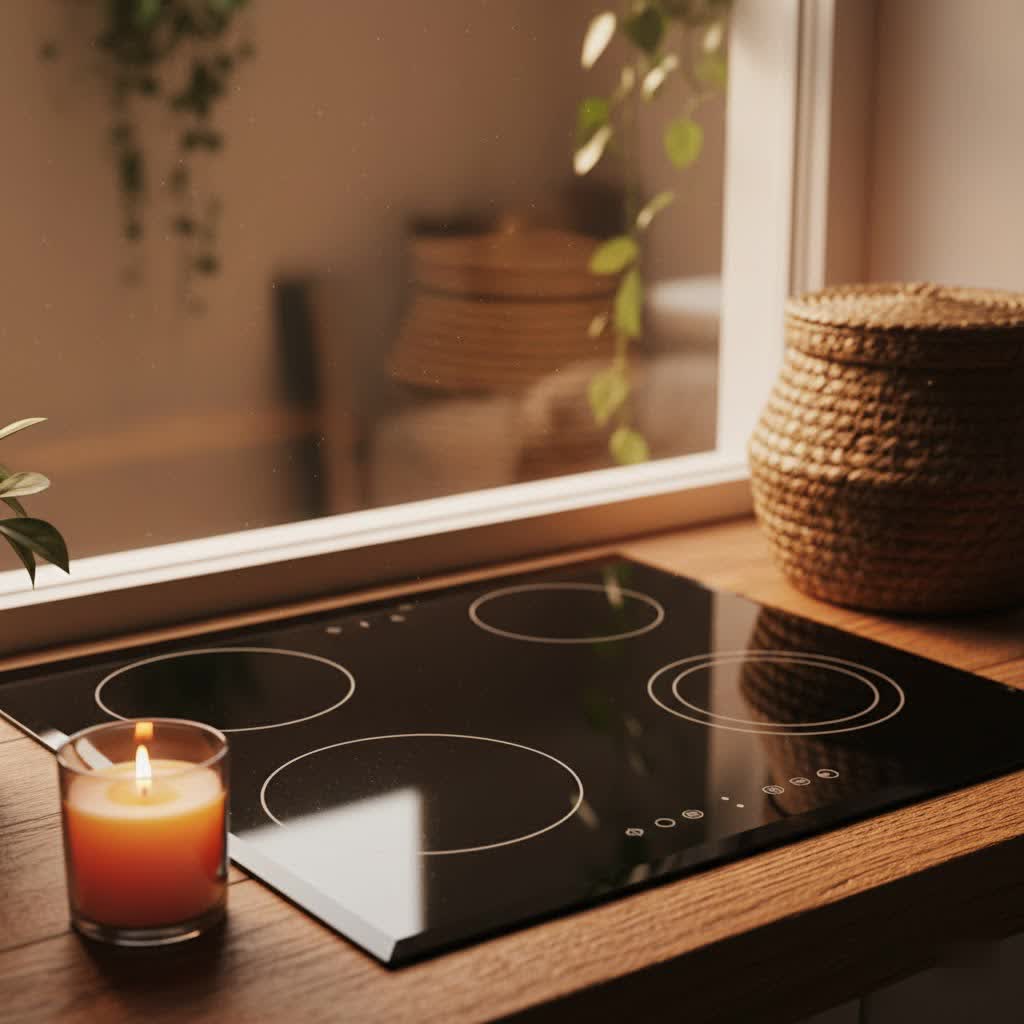
An induction cooktop is a type of electric stove that heats cookware directly through electromagnetic induction, rather than relying on radiant heat from a coil or an open flame. Beneath its smooth, heat-proof glass-ceramic surface lies a coil of copper wire. When electricity passes through this coil, it generates a fluctuating magnetic field. Once a ferrous (magnetic) pot or pan is placed on the burner, this magnetic field induces an electrical current within the cookware itself. This current then encounters resistance in the pan’s material, generating heat directly and efficiently inside the pot or pan.
The principle of induction cooking has roots tracing back to the early 20th century, with patents appearing as early as 1906 and 1909. However, it wasn’t until the mid-20th century that demonstration stoves began to appear. Over decades, advancements in electronics and materials have made induction cooktops increasingly common and accessible, evolving from a niche European appliance to a global favorite celebrated for its speed and safety.
Pros and Cons of Induction Cooktops
Like any kitchen appliance, induction cooktops come with their unique set of advantages and disadvantages. Understanding these can help you determine if this technology is the right fit for your cooking style and household needs.
Advantages:
- High Energy Efficiency: Induction cooktops are remarkably energy-efficient, converting up to 90% of electrical energy into heat that goes directly into your food. Unlike gas or traditional electric stoves, very little heat is lost to the surrounding air, leading to faster cooking times and lower energy bills.
- Enhanced Safety: With no open flame or glowing electric coils, induction cooktops are inherently safer. The cooktop surface itself only gets hot from residual heat transferred from the pan, cooling down quickly once the cookware is removed. Many models also feature automatic pan detection and auto-shutoff, significantly reducing the risk of accidental burns and fires, making them ideal for families with children.
- Effortless Cleaning: Spills and splatters on an induction surface are far less likely to bake on, as the cooktop itself remains relatively cool. This makes cleanup a breeze – a simple wipe with a damp cloth is often all that’s needed, keeping your kitchen pristine.
- Precise Temperature Control: Induction offers incredibly precise and instantaneous temperature adjustments, akin to gas but often with even finer control. You can go from a rolling boil to a gentle simmer in seconds, providing exceptional mastery over your cooking processes.
- Rapid Cooking Speed: Because heat is generated directly in the cookware, induction cooktops boil water and heat food significantly faster than traditional methods, often cutting cooking times by 25-50%. This speed is a game-changer for busy weeknights.
|
Our Picks for the Best Induction Cooktop in 2026
As an Amazon Associate I earn from qualifying purchases.
|
||
| Num | Product | Action |
|---|---|---|
| 1 | Duxtop Portable Induction Cooktop Burner, Induction Hot Plate with LCD Sensor Touch 1800 Watts, Silver 9600LS/BT-200DZ |

|
| 2 | Duxtop 1800W Portable Induction Cooktop Countertop Burner, Black 9100MC/BT-M20B |
|
| 3 | 30 Inch Gas Cooktop, TOPWISH Gas Stove Top with 5 High Efficiency SABAF Burners, 41400 BTU, NG/LPG Convertible 304 Stainless Steel Built-in Propane Stovetop with Thermocouple Protection, 120V AC |
|
| 4 | ChangBERT Induction Cooktop, Commercial Grade Portable Cooker, Large 8” Heating Coil, Premium Stainless Steel Countertop Burner with NSF Certified, 10 Hours Timer Powerful 1800W Professional Hot Plate |
|
| 5 | VoltCuisine 24 Inch Double Induction Cooktop, Button Control, 1800W Power Sharing, Low Power Continuous Heating, Portable Countertop Electric Cooker |
|
| 6 | Nuwave Pro Chef Induction Cooktop, NSF-Certified, Commercial-Grade, Portable, Powerful 1800W, Large 8” Heating Coil, 94 Temp Settings 100°F - 575°F in 5°F, Shatter-Proof Ceramic Glass Surface |
|
| 7 | Cooktron 2-in-1 Induction Cooktop with Grill Pan – Portable 1 Burner Induction Hot Plate 1800W, Removable Griddle, 10 Power & 5 Temp Levels, Touch & Knob Control for Kitchen or RV Camping |
|
| 8 | ChangBERT Portable Induction Cooktop Enhanced Version, One-Click Max Power 1800W Large Heating Coil Burner, Precise Temperature Control, NSF Certified, Low Noise Hot Plate for Home & Commercial |
|
| 9 | Duxtop 1800W Portable Induction Cooktop Countertop Burner, Gold 8100MC/BT-180G3 |
|
| 10 | Nuwave Flex Precision Induction Cooktop, 10.25” Shatter-Proof Ceramic Glass, 6.5” Heating Coil, 45 Temps from 100°F to 500°F, 3 Wattage Settings 600, 900 & 1300 Watts, Black |
|
Disadvantages:
- Higher Initial Cost: Induction cooktops generally come with a higher upfront price tag compared to conventional gas or electric stoves. However, the long-term energy savings can help offset this initial investment.
- Specific Cookware Requirements: One of the most common drawbacks is the need for induction-compatible cookware. Only pots and pans with a magnetic base (typically cast iron or magnetic stainless steel) will work. This might mean investing in a new set of cookware if your current collection isn’t suitable.
- Minor Noise Generation: Some users report hearing a slight buzzing or humming sound, especially at higher settings, or an occasional clicking noise during operation. This is usually due to the fan cooling the electronics or the vibration of certain cookware, but it’s generally minimal and not disruptive.
- Stable Power Supply: Induction cooktops require a stable and robust electrical supply to function optimally. Fluctuations or insufficient power can affect performance.
- Learning Curve: While intuitive, the rapid response and unique operation (e.g., immediate heat cessation when a pan is lifted) can require a slight adjustment period for those accustomed to gas or traditional electric cooking.
Common Types of Induction Cooktops
Induction technology is integrated into various appliance types to suit different kitchen layouts and cooking needs.
- Single Induction Cooktop (Portable): These compact, standalone units offer a single cooking zone and are ideal for small spaces, supplemental cooking, or as a portable solution for events and travel.
- Double Induction Cooktop: Featuring two cooking zones, these models provide more versatility than a single burner while still being relatively compact, often available as portable or built-in units.
- Triple Induction Cooktop: Offering three cooking zones, these are typically built-in models designed for more extensive cooking tasks without occupying the full width of larger cooktops.
- Built-in Induction Cooktop (Hob): These are integrated directly into the countertop, providing a sleek, seamless look. They come in various sizes, from two to five or more cooking zones, offering a permanent and often premium cooking solution.
- Freestanding Induction Range: Combining an induction cooktop with an oven below, these are complete cooking units that replace traditional ranges, offering all the benefits of induction with the convenience of an integrated oven.
Comparing Induction Cooktops with Other Stove Types
To truly appreciate the advancements of induction technology, it’s helpful to compare it against its traditional counterparts: gas and electric cooktops.
Comparison Table:
| Feature | Induction Cooktop | Gas Cooktop | Electric Cooktop |
|---|---|---|---|
| Energy Efficiency | High (up to 90%) | Medium (around 40-55%) | Low (around 65-70%) |
| Safety | Very High (cool surface, no flame) | Low (open flame, gas leaks) | Medium (hot surface, residual heat) |
| Cooking Speed | Very Fast (direct heat) | Fast (instant flame adjustment) | Slow (radiant heat transfer) |
| Temperature Control | Precise & Instantaneous | Precise (visual flame) | Slower (radiant coil heats up/down) |
| Initial Cost | High | Medium | Low |
| Cookware Compatibility | Low (magnetic only) | High (any heat-safe) | High (any flat-bottomed) |
| Cleaning Ease | Very Easy | Medium (grates, burnt-on food) | Medium (burnt-on food) |
| Residual Heat | Very Low (cooktop stays cool) | Medium (some heat escapes) | High (cooktop stays hot) |
| Environmental Impact | Low (no fossil fuels, energy efficient) | Medium to High (fossil fuel, indoor air pollutants) | Medium (electricity source varies) |
Buying Guide: Criteria for Choosing an Induction Cooktop
Selecting the perfect induction cooktop involves considering several factors to match your cooking habits, kitchen design, and budget.
- Cooktop Power (Wattage): Higher wattage generally means faster heating. Consider the power levels of individual burners and the total output of the unit. For intense searing or rapid boiling, look for higher wattage options.
- Size and Design: Induction cooktops come in various sizes, typically ranging from 12-inch single burners to 36-inch or wider multi-burner units. Choose a size that fits your kitchen space and complements your aesthetic, whether a sleek built-in unit or a portable countertop model.
- Number of Cooking Zones: Decide how many burners you typically use simultaneously. Options range from single portable units to models with five or more zones. Some advanced models offer “bridge” zones that combine two burners for larger cookware like griddles.
- Safety Features: Prioritize features like child lock, automatic pan detection, overflow shut-off, hot surface indicators, and residual heat indicators for maximum safety.
- Brand and Reliability: Research reputable brands known for their quality, durability, and customer service. Well-established brands often offer better warranty and support.
- Price: Induction cooktops vary widely in price. Set a budget, but remember that a higher initial investment can often translate to better features, durability, and energy efficiency over time.
- Warranty: A good warranty provides peace of mind. Check the warranty period for both parts and labor, and understand what it covers.
Top Induction Cooktop Brands
The induction cooktop market features numerous reputable brands offering a range of models, from budget-friendly options to high-end professional units. Here are some of the most recognized and trusted names:
- Bosch: Known for its sleek designs, advanced features, and reliable performance, Bosch offers a wide array of induction cooktops, often with precise temperature control and intuitive interfaces.
- Electrolux: Electrolux induction cooktops are praised for their fast heating, responsive controls, and innovative features like “Bridge” functions and precise simmer settings.
- Miele: A premium brand, Miele produces high-quality induction cooktops with sophisticated designs, robust build quality, and advanced functionalities for discerning cooks.
- Samsung: Samsung offers stylish and feature-rich induction cooktops, often incorporating smart technology, virtual flame displays (for a visual cue of heat), and flexible cooking zones.
- LG: With a focus on modern aesthetics and user-friendly technology, LG induction cooktops deliver efficient cooking with features like rapid boil and precise power settings.
- Whirlpool: Whirlpool provides a range of accessible and dependable induction cooktops, balancing performance with practicality for everyday cooking.
- Frigidaire: Known for offering good value, Frigidaire induction cooktops are a solid choice for those seeking efficient and reliable induction cooking without a premium price tag.
How to Use and Maintain Your Induction Cooktop
Getting the most out of your induction cooktop involves proper usage and diligent maintenance.
Safe and Effective Usage:
- Use Compatible Cookware: Always ensure your pots and pans have a magnetic base. A simple magnet test (if it sticks, it works) is the easiest way to check.
- Center Cookware: Place your pot or pan centrally on the designated cooking zone to ensure optimal heat transfer and efficiency.
- Start Low, Adjust Up: Induction heats rapidly. Begin with lower power settings and gradually increase as needed, especially when new to the technology, to prevent overcooking.
- Instant Response: Remember that heat changes are immediate. Adjust settings quickly when simmering or searing, as there’s no lag time.
- Lift to Stop Heat: Removing the pan from the cooktop instantly stops the heat generation in the pan, a great safety and control feature.
Cleaning and Maintenance:
- Daily Wipe-Down: After each use, allow the cooktop to cool slightly (it won’t be as hot as a traditional electric stove, but residual heat can be present from the pan) and wipe the glass surface with a soft, damp cloth and mild dish soap.
- Stubborn Stains: For dried-on spills or tougher stains, use a non-abrasive cooktop cleaner specifically designed for glass-ceramic surfaces and a soft scrub pad. Avoid abrasive cleaners, scouring pads, or sharp objects that can scratch the surface.
- Clean Pan Bottoms: Ensure the bottoms of your cookware are clean and smooth to prevent scratches on the cooktop surface and ensure efficient magnetic coupling.
- Avoid Overloading: Do not place excessively heavy pots or pans on the cooktop, as this could potentially damage the glass surface.
- Check for Cracks/Chips: Periodically inspect the glass surface for any cracks or chips. While durable, impacts can cause damage. If damage occurs, consult a professional for repair.
Common Issues and Troubleshooting:
- Cooktop Not Heating: First, check if your cookware is induction-compatible. Also, ensure the pan is properly centered on the cooking zone. If still not working, check if the child lock is engaged or if a circuit breaker has tripped.
- Uneven Heating: This can sometimes occur with very thin or warped cookware. Using heavy, flat-bottomed, high-quality induction-compatible pans will ensure the best heat distribution.
- Flashing Error Codes: Refer to your appliance’s user manual for specific error code meanings and recommended troubleshooting steps. Often, these relate to incompatible cookware, pan placement, or overheating.
- Unusual Noises: A slight humming or buzzing is normal, especially at higher power settings, due to the cooling fan or cookware vibrations. Loud, persistent, or unusual noises might indicate an issue requiring professional inspection.
- Automatic Shutdowns: Induction cooktops have safety features that shut them off if they overheat or if a pan boils dry. Check for obstructions around vents and ensure proper ventilation.
Comparison Table: Popular Induction Cooktop Models (Example)
| Model | Brand | Power (Max Zone) | No. of Zones | Key Features | Est. Price Range |
|---|---|---|---|---|---|
| Serie 8 PXY875KW1E | Bosch | 3700W | 4 | FlexInduction, DirectSelect Premium, PerfectFry Sensor | $$$$ |
| EHI6240FSK | Electrolux | 3200W | 4 | PowerBoost, Stop+Go function, Hob2Hood | $$$ |
| NZ30K7880WG/AA | Samsung | 3700W | 4 | Virtual Flame Technology, Flex Duo, Wi-Fi connectivity | $$$$ |
| LCE3010SB | LG | 3700W | 4 | SmartDiagnosis, Auto Shut-Off, Child Lock | $$$ |
| FIF8042IXB | Frigidaire | 2800W | 4 | Quick Boil, SpaceWise® Expandable Elements | $$ |
Note: Prices and features are illustrative and subject to change based on model year, retailer, and location.
Conclusion
The induction cooktop represents a significant leap in cooking technology, offering a blend of speed, safety, efficiency, and precise control that traditional cooking methods often struggle to match. While the initial investment and the need for specific cookware might be considerations, the long-term benefits of energy savings, easy cleanup, and an elevated cooking experience make it a compelling choice for many modern kitchens. Embrace the power of electromagnetic induction, and you’ll discover a world where culinary creativity is not just possible, but effortlessly achieved.
Ready to revolutionize your cooking? What gourmet dish will you create first on your new induction cooktop?
Frequently Asked Questions
What kind of cookware do I need for an induction cooktop?
Induction cooktops require cookware with a magnetic base. Materials like cast iron, enameled cast iron, and magnetic stainless steel are compatible. You can easily test your existing pots and pans by holding a magnet to the bottom; if it sticks, it will work on an induction cooktop.
Is induction cooking faster than gas or electric?
Yes, induction cooking is significantly faster than both gas and traditional electric cooktops. Because heat is generated directly within the cookware itself, there’s minimal energy loss, allowing water to boil and food to heat up much more quickly, often cutting cooking times in half.
Is an induction cooktop safe for children?
Induction cooktops are generally considered very safe. They lack an open flame or glowing hot elements, and the cooking surface only heats from the residual warmth transferred by the pan, cooling down rapidly. Many models also include safety features like child locks and automatic shut-off.
Can I use a wok or a non-flat bottom pan on an induction cooktop?
Induction cooktops work best with flat-bottomed cookware to ensure maximum contact and efficient heat transfer. While some specialized induction woks with flat bases are available, traditional round-bottom woks or other non-flat pans will not work effectively or at all.
How do I clean my induction cooktop without scratching it?
To clean an induction cooktop, wait until it has cooled, then wipe it with a soft cloth and mild dish soap. For stubborn stains, use a non-abrasive ceramic cooktop cleaner. Avoid harsh chemicals, abrasive pads, or sharp objects that can scratch the smooth glass-ceramic surface.
