Stepping into the world of modern kitchens, the induction cooktop stands out as a beacon of efficiency and innovation. If you’re considering upgrading your cooking experience, one of the first questions that likely comes to mind is: “How much does an induction cooktop cost?” The answer, as you’ll discover, isn’t a simple number but rather a spectrum influenced by a myriad of factors. This comprehensive guide will break down everything you need to know about induction cooktop prices, helping you make an informed decision that aligns with your culinary aspirations and budget.
What is an Induction Cooktop?
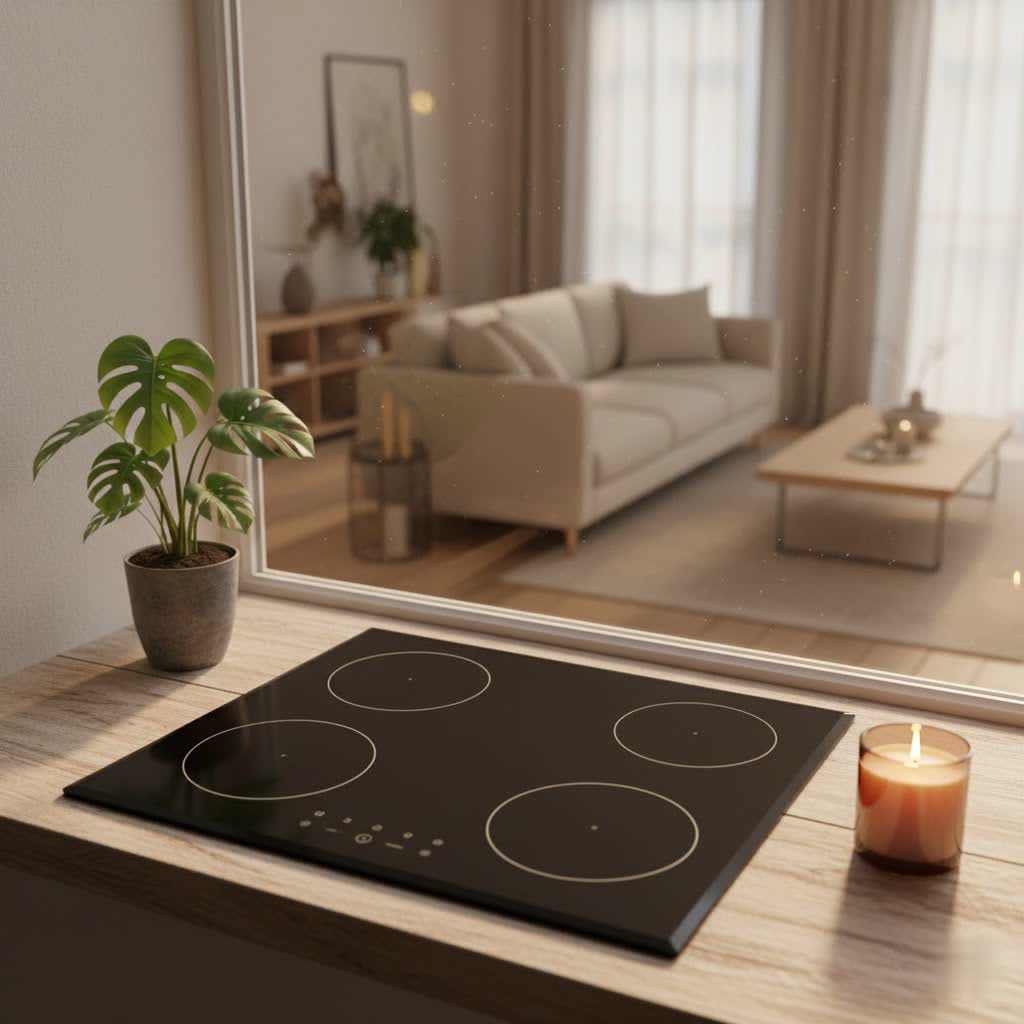
An induction cooktop is a revolutionary cooking appliance that uses electromagnetic fields to heat cookware directly, rather than relying on traditional heating elements. Beneath its smooth ceramic glass surface are copper coils that generate a magnetic current. When a compatible, magnetic pot or pan is placed on the cooktop, this current induces heat directly within the cookware itself. This principle means the cooktop surface remains relatively cool, making it exceptionally safe and energy-efficient.
The history of induction cooking dates back several decades, with early commercial applications appearing in the 1970s. Over time, advancements in technology have made induction cooktops more accessible, refined, and a popular choice for home kitchens seeking speed, precision, and safety.
Advantages and Disadvantages of Induction Cooktops
Understanding the pros and cons can help justify the initial investment.
Advantages:
- High Energy Efficiency: Induction cooktops are remarkably efficient, converting up to 90% of energy into heat for cooking. This superior efficiency translates into lower energy bills compared to gas or traditional electric stoves.
- Enhanced Safety: Without an open flame or radiant heat, the risk of burns is significantly reduced. The cooktop surface itself doesn’t get hot, only the cookware, and often features automatic shut-off functions when pots are removed.
- Effortless Cleaning: Spills and splatters don’t bake onto a hot surface, making induction cooktops incredibly easy to wipe clean.
- Precise Temperature Control: Induction offers instant and precise temperature adjustments, similar to gas, allowing for delicate simmering and rapid boiling with unparalleled control.
- Rapid Cooking Speed: Due to direct heat transfer, induction cooktops can boil water and heat food much faster than conventional methods, saving valuable time in the kitchen.
|
Our Picks for the Best Induction Cooktop in 2026
As an Amazon Associate I earn from qualifying purchases.
|
||
| Num | Product | Action |
|---|---|---|
| 1 | VoltCuisine 24 Inch Double Induction Cooktop, Button Control, 1800W Power Sharing, Low Power Continuous Heating, Portable Countertop Electric Cooker |

|
| 2 | Duxtop 1800W Portable Induction Cooktop Countertop Burner, Black 9100MC/BT-M20B |
|
| 3 | ChangBERT Induction Cooktop, Commercial Grade Portable Cooker, Large 8” Heating Coil, Premium Stainless Steel Countertop Burner with NSF Certified, 10 Hours Timer Powerful 1800W Professional Hot Plate |
|
| 4 | Duxtop 1800W Portable Induction Cooktop Countertop Burner, Gold 8100MC/BT-180G3 |
|
| 5 | Nuwave Flex Precision Induction Cooktop, 10.25” Shatter-Proof Ceramic Glass, 6.5” Heating Coil, 45 Temps from 100°F to 500°F, 3 Wattage Settings 600, 900 & 1300 Watts, Black |
|
| 6 | Cooktron 2-in-1 Induction Cooktop with Grill Pan – Portable 1 Burner Induction Hot Plate 1800W, Removable Griddle, 10 Power & 5 Temp Levels, Touch & Knob Control for Kitchen or RV Camping |
|
| 7 | Duxtop Portable Induction Cooktop Burner, Induction Hot Plate with LCD Sensor Touch 1800 Watts, Silver 9600LS/BT-200DZ |
|
| 8 | ChangBERT Portable Induction Cooktop Enhanced Version, One-Click Max Power 1800W Large Heating Coil Burner, Precise Temperature Control, NSF Certified, Low Noise Hot Plate for Home & Commercial |
|
| 9 | 30 Inch Gas Cooktop, TOPWISH Gas Stove Top with 5 High Efficiency SABAF Burners, 41400 BTU, NG/LPG Convertible 304 Stainless Steel Built-in Propane Stovetop with Thermocouple Protection, 120V AC |
|
| 10 | Nuwave Pro Chef Induction Cooktop, NSF-Certified, Commercial-Grade, Portable, Powerful 1800W, Large 8” Heating Coil, 94 Temp Settings 100°F - 575°F in 5°F, Shatter-Proof Ceramic Glass Surface |
|
Disadvantages:
- Higher Upfront Cost: Generally, induction cooktops tend to have a higher initial purchase price than comparable gas or traditional electric models. This is often the primary deterrent for potential buyers.
- Cookware Compatibility: Only ferromagnetic (magnetic) cookware will work on an induction cooktop. This means you might need to invest in new pots and pans if your existing collection isn’t induction-compatible, adding to the overall cost.
- Potential for Minor Noise: Some users report a faint buzzing or humming sound, especially at higher power settings, or if certain types of cookware are used.
- Power Requirements: Higher wattage induction units may require a dedicated 208-240 volt electrical circuit, which could entail additional installation costs if your home doesn’t already have one.
Factors Affecting Induction Cooktop Price
The wide range in induction cooktop prices stems from several key factors that influence their design, functionality, and overall quality. Understanding these elements is crucial for anticipating the total cost.
1. Type and Configuration
The basic configuration of an induction cooktop significantly impacts its price.
- Portable/Single Burner Units: These are the most affordable, often costing anywhere from $50 to $200. They are ideal for small spaces, supplemental cooking, or as a temporary solution.
- Built-in Cooktops (2-5 Burners): These integrated units are designed to be installed into your countertop and come in various sizes and burner counts. Prices typically range from $400 for basic models to over $2,000 for high-end units with advanced features.
- Induction Ranges: Combining an induction cooktop with an oven, these are the most expensive option. Entry-level induction ranges can start around $800-$1,000, while premium models from luxury brands can exceed $5,000.
2. Power and Performance
Wattage is a direct indicator of an induction cooktop’s heating power and speed, and generally correlates with price.
- Wattage: Higher wattage units (e.g., 3600 watts per burner) heat faster and maintain more consistent temperatures, but they also cost more. Lower-wattage units (e.g., 1300-1800 watts) are more common in portable or entry-level models.
- Voltage: 120-volt portable units are less expensive than 208-240 volt built-in models, which offer greater power and faster cooking.
3. Features and Technology
Advanced features and smart technology often come with a higher price tag.
- Number of Cooking Zones: More cooking zones, especially flexible ones like bridge elements that combine two zones for larger cookware, will increase the cost.
- Control Type: Basic touch controls are standard, but more sophisticated interfaces, digital displays, and precision temperature sliders can add to the price.
- Safety Features: Enhanced safety features like child locks, automatic pan detection (which only activates heat when compatible cookware is present), overflow protection, and residual heat indicators are common and contribute to the value.
- Smart Connectivity: Wi-Fi enabled cooktops with app control, remote monitoring, and integration with smart home systems represent the high-end of the market.
- Special Functions: Boost functions for rapid heating, simmer settings, keep-warm modes, and preset programs for specific cooking tasks also influence price.
4. Brand Reputation and Build Quality
Established brands known for durability, innovation, and customer support often command higher prices.
- Materials: Higher-end models may use premium glass-ceramic surfaces (like Schott Ceran) which are more resistant to thermal shock and scratches, as opposed to tempered glass.
- Internal Components: The quality of the internal electronics, cooling systems, and protective measures against grease and moisture (especially important for commercial-grade units) greatly affects longevity and price.
- Warranty and Service: Brands offering extended warranties and robust customer service networks generally price their products higher to cover these assurances.
5. Installation and Additional Costs
Beyond the purchase price of the unit itself, there can be additional expenses.
- Electrical Work: If you’re switching from a gas cooktop or upgrading from a lower-voltage electric model, you may need a dedicated 240V circuit and potentially an electrical panel upgrade. This can cost several hundred to over a thousand dollars, depending on your existing electrical infrastructure.
- Cookware Investment: If your current pots and pans aren’t magnetic, you’ll need to purchase induction-compatible cookware, adding to the initial outlay. A basic set can cost $100-$300, while high-quality sets can be much more.
Comparison: Induction vs. Other Cooktop Types
To fully appreciate the cost of an induction cooktop, it’s helpful to compare it against its gas and electric counterparts. While induction often has a higher upfront cost, its operational efficiency can lead to long-term savings.
| Feature | Induction Cooktop | Gas Cooktop | Electric Radiant Cooktop |
|---|---|---|---|
| Upfront Price | High | Medium | Low |
| Energy Efficiency | Very High (up to 90%) | Medium (around 40-55%) | Low (around 65-70%) |
| Safety | Very High (cool surface) | Medium (open flame risk) | Medium (hot surface) |
| Cooking Speed | Fastest | Fast | Slowest |
| Temperature Control | Precise and Instant | Precise and Instant | Slower Response |
| Cookware Needs | Magnetic only | Any type | Any type (flat bottom preferred) |
| Installation | Electrical (potential upgrade) | Gas line (ventilation often needed) | Electrical |
| Long-Term Cost | Lower (due to efficiency) | Medium (gas price fluctuations) | Higher (due to energy use) |
Generally, the cheapest 30-inch, 4-burner induction cooktops can sometimes rival the price of electric or gas models, starting around $200 for basic units. However, for full ranges, induction often starts higher, with a basic 30-inch induction range costing around $850, compared to $480-$530 for electric or gas. High-end induction ranges can reach nearly $5,000, while luxury gas models can even exceed that.
Essential Criteria for Choosing an Induction Cooktop
Selecting the right induction cooktop involves balancing features, performance, and budget. Here are the key criteria to consider:
- Power Output (Wattage): Consider your cooking habits. If you frequently boil large pots of water or perform high-heat searing, prioritize higher wattage.
- Size and Design: Measure your counter space carefully for built-in models. Consider the aesthetic and how it integrates with your kitchen décor.
- Number of Cooking Zones: Decide how many burners you typically use simultaneously. Options range from single portable units to five-burner built-in models.
- Safety Features: Look for essential features like child lock, automatic shut-off, pan detection, and residual heat indicators for peace of mind.
- Brand Reputation and Reliability: Research reputable brands known for quality, durability, and customer service. Brands like Bosch, Electrolux, Samsung, LG, GE, and KitchenAid are frequently recommended.
- Price and Warranty: Set a budget and compare models within that range. A good warranty (typically 1-2 years) is crucial for protecting your investment.
- Installation Requirements: Factor in potential electrical upgrades or new cookware purchases when calculating the total cost.
> “While the initial price of an induction cooktop might seem higher, its unparalleled efficiency and cooking precision often lead to significant savings on energy bills and a more enjoyable culinary experience in the long run.” – Chef Elena Rodriguez, Culinary Technology Expert
Top Induction Cooktop Brands
The market offers a variety of reputable brands, each with its own strengths:
- Bosch: Known for sleek designs, advanced features, and German engineering quality. Often in the mid-to-high price range.
- Electrolux: Offers a balance of performance and style with innovative features, typically in the mid-range.
- Samsung & LG: These brands provide smart features, modern aesthetics, and competitive pricing across various tiers.
- GE Profile: Offers a good range of induction cooktops and ranges, often with smart capabilities and reliable performance.
- KitchenAid: Focuses on professional-grade performance and durability, often appealing to serious home cooks, with a higher price point.
- Whirlpool: Provides more budget-friendly options that still deliver solid performance and essential features.
- Frigidaire: Known for offering reliable and affordable induction options, making the technology accessible to more consumers.
- Café: A premium line by GE, offering customizable designs and high-end features for a luxury kitchen experience.
Maximizing Your Induction Cooktop Investment
To ensure your induction cooktop delivers long-lasting performance and value, proper usage and maintenance are key.
Safe and Effective Use:
- Use Compatible Cookware: Always use pots and pans with a flat, magnetic base. A simple magnet test (if it sticks, it works!) is helpful.
- Start with Lower Settings: Induction heats very quickly. Begin with lower power settings and gradually increase to prevent overheating and potential damage.
- Match Pan Size to Burner: Use cookware that matches the size of the cooking zone for optimal efficiency and even heating.
- Avoid Dragging Pans: Lift pans rather than sliding them to prevent scratches on the glass surface.
Cleaning and Maintenance:
- Clean Regularly: Wipe the cooktop after each use with a soft cloth and mild detergent to prevent food from drying on the surface.
- Address Spills Promptly: While spills won’t burn on, acidic foods can etch the glass if left for too long.
- Avoid Abrasive Cleaners: Use cleaners specifically designed for ceramic or induction cooktops to avoid scratches and damage.
- Inspect for Damage: Periodically check the surface for cracks or chips and address them immediately to prevent further damage.
Common issues like minor buzzing or uneven heating can often be resolved by ensuring your cookware is flat, magnetic, and correctly sized for the burner. Always refer to your user manual for specific troubleshooting tips.
Final Thoughts
The price of an induction cooktop is a reflection of its sophisticated technology, advanced features, and the unparalleled efficiency it brings to your kitchen. While the initial investment might be higher than traditional alternatives, the long-term benefits in terms of energy savings, faster cooking, enhanced safety, and precise control often make it a worthwhile upgrade. By understanding the factors that influence pricing and carefully considering your needs, you can confidently choose an induction cooktop that perfectly balances cost and performance.
Are you ready to experience the future of cooking and transform your culinary journey with an induction cooktop?
Frequently Asked Questions
Why are induction cooktops more expensive than gas or electric?
Induction cooktops are generally more expensive due to the complex electromagnetic technology involved, including advanced electronic components and high-quality ceramic glass surfaces. The manufacturing process and integrated safety features also contribute to the higher production costs.
Do induction cooktops save money in the long run?
Yes, induction cooktops can save money over time due to their superior energy efficiency. They heat cookware directly and quickly, reducing heat loss and energy consumption compared to gas and traditional electric stoves, which translates into lower utility bills.
What is the typical price range for a good quality induction cooktop?
A good quality built-in induction cooktop typically ranges from $800 to $2,000, offering a balance of features, performance, and durability. Portable single-burner units can be found for $50-$200, while high-end induction ranges can cost over $5,000.
Are there any hidden costs associated with buying an induction cooktop?
Hidden costs can include the need to purchase induction-compatible cookware if your current set is not magnetic, and potential electrical upgrades (such as installing a dedicated 240-volt circuit) if your kitchen’s wiring isn’t sufficient for a high-power unit, especially when converting from gas.
