Stepping into a modern kitchen often means encountering innovative appliances designed to make cooking both simpler and more efficient. Among these, the induction cooktop stands out as a marvel of engineering, and GE Appliances, particularly its Profile series, has embraced this technology to offer a sophisticated cooking solution. If you’re pondering an upgrade or building a new kitchen, understanding the capabilities of a GE induction cooktop is key to transforming your daily meals into extraordinary culinary adventures.
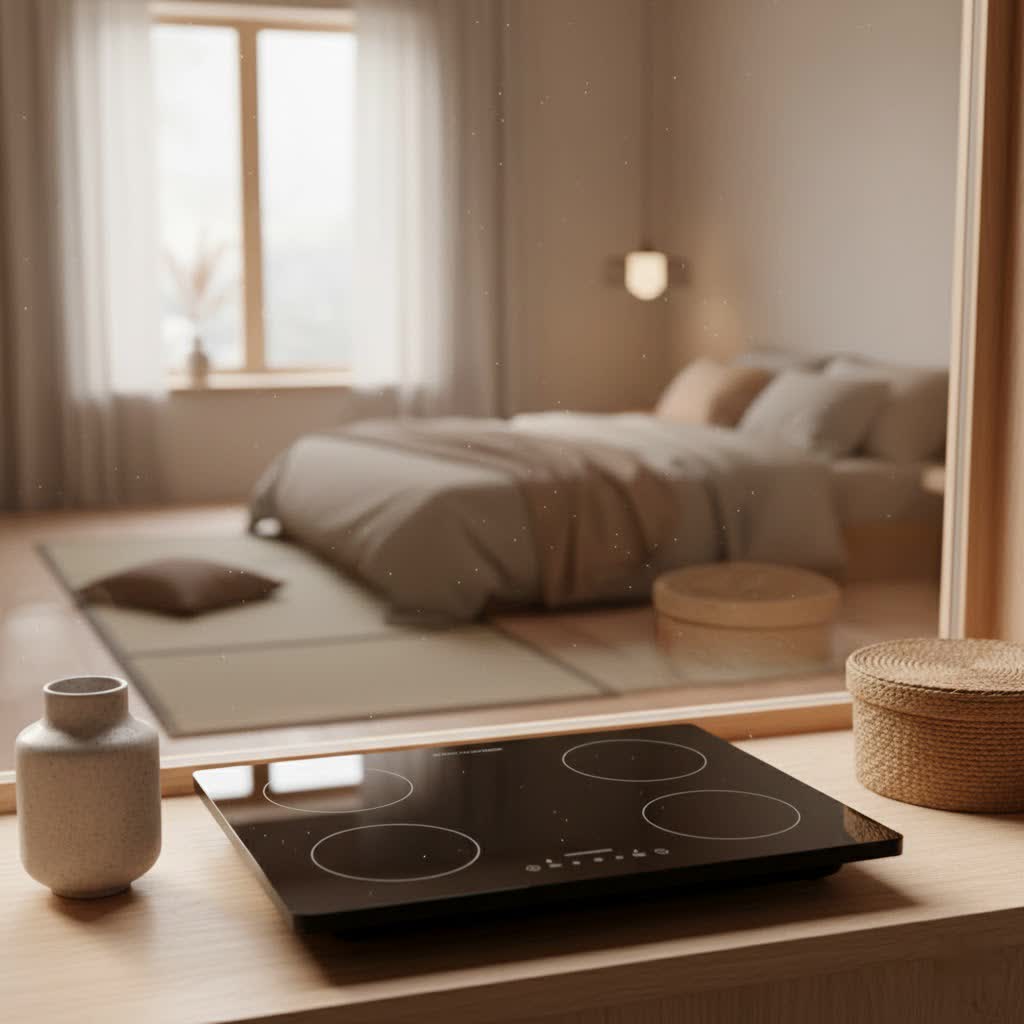
What is an Induction Cooktop?
An induction cooktop represents a significant leap in cooking technology, operating on a fundamentally different principle than traditional gas or electric stoves. Instead of using open flames or radiant heating elements, induction cooktops utilize powerful electromagnetic fields. These fields directly interact with magnetic cookware, generating heat within the pot or pan itself. This direct heat transfer means that the cooking surface outside the cookware remains relatively cool to the touch, drastically reducing the risk of burns and preventing spills from baking onto the surface.
This innovative approach to heating dates back to the early 20th century, but it’s in recent decades that induction technology has become refined and accessible for home kitchens. GE Appliances has been at the forefront, integrating this technology into sleek, intuitive, and feature-rich cooktops and ranges that offer both exceptional performance and modern aesthetics.
Advantages and Disadvantages of GE Induction Cooktops
Like any advanced appliance, GE induction cooktops come with a distinct set of benefits and a few considerations. Understanding these can help you determine if induction is the right fit for your home.
Advantages:
- Exceptional Energy Efficiency and Speed: GE induction cooktops are renowned for their ability to heat food with remarkable speed and efficiency. The electromagnetic process ensures almost all energy is transferred directly to the cookware, wasting very little heat. Features like GE’s “Power Boil” elements can bring water to a rolling boil significantly faster than conventional gas or electric burners, with some elements boiling a pot of water in under three minutes. This not only saves time but also reduces energy consumption.
- Precise Temperature Control: One of the most praised aspects of induction cooking is its unparalleled temperature control. GE induction cooktops offer instant heat adjustment, akin to gas but with even finer precision. With “Glide Touch Controls,” users can simply swipe a finger to achieve exact temperature settings, allowing for delicate simmering, rapid searing, and everything in between with consistent results.
- Enhanced Safety Features: The “cool-to-the-touch” surface is a major safety advantage of induction. Since heat is generated directly in the cookware, the cooktop surface itself does not get hot enough to cause immediate burns, minimizing accident risks. GE models often include “Cookware Detection,” which automatically shuts off elements when a pot or pan is removed, and residual heat indicators further enhance safety. There are no open flames or glowing elements, making them safer, especially in households with children.
- Effortless Cleaning: The smooth, flat glass surface of a GE induction cooktop makes cleanup a breeze. Because the surface outside the cooking zone stays relatively cool, spills and splatters don’t bake on, allowing for easy wipe-downs with a damp cloth. This maintains the cooktop’s sleek appearance with minimal effort.
- Versatility and Smart Features: GE Profile induction cooktops are often equipped with advanced features that enhance versatility. “SyncBurners” or “Bridge Elements” allow two cooking zones to be linked, creating a larger heated surface perfect for oversized griddles or roasting pans. Many GE Profile models also boast Wi-Fi connectivity, enabling remote control and monitoring through the SmartHQ™ app, guided cooking modes, smart pan sensors, and even sous vide capabilities (with an optional probe).
|
Our Picks for the Best Induction Cooktop in 2026
As an Amazon Associate I earn from qualifying purchases.
|
||
| Num | Product | Action |
|---|---|---|
| 1 | VoltCuisine 24 Inch Double Induction Cooktop, Button Control, 1800W Power Sharing, Low Power Continuous Heating, Portable Countertop Electric Cooker |

|
| 2 | Cooktron 2-in-1 Induction Cooktop with Grill Pan – Portable 1 Burner Induction Hot Plate 1800W, Removable Griddle, 10 Power & 5 Temp Levels, Touch & Knob Control for Kitchen or RV Camping |
|
| 3 | Duxtop Portable Induction Cooktop Burner, Induction Hot Plate with LCD Sensor Touch 1800 Watts, Silver 9600LS/BT-200DZ |
|
| 4 | 30 Inch Gas Cooktop, TOPWISH Gas Stove Top with 5 High Efficiency SABAF Burners, 41400 BTU, NG/LPG Convertible 304 Stainless Steel Built-in Propane Stovetop with Thermocouple Protection, 120V AC |
|
| 5 | Nuwave Flex Precision Induction Cooktop, 10.25” Shatter-Proof Ceramic Glass, 6.5” Heating Coil, 45 Temps from 100°F to 500°F, 3 Wattage Settings 600, 900 & 1300 Watts, Black |
|
| 6 | ChangBERT Portable Induction Cooktop Enhanced Version, One-Click Max Power 1800W Large Heating Coil Burner, Precise Temperature Control, NSF Certified, Low Noise Hot Plate for Home & Commercial |
|
| 7 | Nuwave Pro Chef Induction Cooktop, NSF-Certified, Commercial-Grade, Portable, Powerful 1800W, Large 8” Heating Coil, 94 Temp Settings 100°F - 575°F in 5°F, Shatter-Proof Ceramic Glass Surface |
|
| 8 | ChangBERT Induction Cooktop, Commercial Grade Portable Cooker, Large 8” Heating Coil, Premium Stainless Steel Countertop Burner with NSF Certified, 10 Hours Timer Powerful 1800W Professional Hot Plate |
|
| 9 | Duxtop 1800W Portable Induction Cooktop Countertop Burner, Gold 8100MC/BT-180G3 |
|
| 10 | Duxtop 1800W Portable Induction Cooktop Countertop Burner, Black 9100MC/BT-M20B |
|
Disadvantages:
- Higher Initial Cost: GE induction cooktops typically represent a higher upfront investment compared to conventional electric coil or gas cooktops. While the long-term energy savings can offset some of this cost, it’s a significant factor to consider in your budget.
- Cookware Compatibility: Induction cooking requires cookware with a magnetic base. This means traditional aluminum, copper, or glass pots and pans may not work. You might need to invest in new cast iron, stainless steel, or induction-specific cookware, which adds to the overall cost if your current collection isn’t compatible.
- Additional Purchases for Specific Features: While GE induction models are feature-rich, some advanced capabilities like sous vide cooking or effective air frying (on induction ranges) may require separate accessory purchases, such as a precision cooking probe or an air fryer basket, to unlock their full potential.
- Sensitive Controls and Power Requirements: Some users find the touch controls on induction cooktops to be highly sensitive, potentially leading to accidental adjustments if leaning over the surface. Additionally, induction cooktops generally require a dedicated 240V electrical circuit and a stable power supply, which might necessitate electrical upgrades in older homes.
Popular GE Induction Cooktop Types and Models
GE offers induction technology across different product lines, primarily under its premium “GE Profile,” “GE Cafe,” and “GE Monogram” series. The core GE Appliances line generally does not include induction options.
- Built-in Induction Cooktops: These are designed to be installed flush with your countertop, offering a seamless and integrated look. GE provides models in standard widths such as 30 inches and 36 inches, often featuring four or five burners. Popular models like the GE Profile PHP9030 (30-inch) and PHP9036 (36-inch) are examples of their dedicated cooktop offerings, known for their powerful elements and precise controls.
- Slide-in Induction Ranges: For those seeking an all-in-one solution, GE also offers slide-in induction ranges. These combine the advanced induction cooktop technology with a conventional oven below. Models like the GE Profile PHS93XYPFS induction range integrate a versatile cooktop with a spacious oven, often featuring true convection and even smart functionalities like an in-oven camera and guided cooking modes.
Comparing GE Induction Cooktops with Other Types
To fully appreciate a GE induction cooktop, it’s helpful to see how it stacks up against its gas and electric counterparts.
| Feature | GE Induction Cooktop | Gas Cooktop | Electric Coil/Radiant Cooktop |
|---|---|---|---|
| Energy Efficiency | High (90%+) | Medium (55-60%) | Low (65-70%) |
| Safety | High (cool surface, no open flame) | Low (open flame, gas leaks) | Medium (hot surface, residual heat) |
| Cooking Speed | Fast | Medium | Slow |
| Temperature Control | Precise & Instant | Responsive | Slow to respond |
| Initial Price | High | Medium | Low |
| Flexibility | Requires magnetic cookware | Any cookware | Any flat-bottomed cookware |
Choosing the Right GE Induction Cooktop (Buying Guide)
Selecting the ideal GE induction cooktop involves considering several factors to match your cooking style and kitchen needs.
- Power and Wattage: Look for models with a range of power levels and high-wattage elements (e.g., 11-inch, 3,700-watt Power Boil elements) for rapid heating. Higher wattage generally means faster cooking.
- Size and Design: GE offers cooktops in 30-inch and 36-inch widths, with options for built-in installation or as part of a slide-in range. Consider your kitchen layout and aesthetic. Features like bevel-edge glass add a premium, integrated look.
- Number of Cooking Zones and Special Features: Determine how many burners you need. Features like SyncBurners or a Griddle Zone are excellent for larger meals and specialized cooking. Look for multi-element timers for managing complex dishes.
- Smart Technology Integration: If you desire remote control, monitoring, guided cooking, or integration with smart home ecosystems, prioritize GE Profile models with Wi-Fi connectivity and the SmartHQ app.
- Safety Features: Ensure the cooktop includes essential safety features such as child locks, automatic shut-off (cookware detection), and hot surface indicators.
- Brand Series: GE Profile is the primary line offering advanced induction cooktops with a balance of innovation and value. For ultra-premium options, explore GE Cafe or Monogram.
- Budget and Warranty: GE induction cooktops are an investment. Plan your budget accordingly and understand the standard one-year warranty on parts and labor.
Top GE Induction Cooktop Series
While GE Appliances offers a broad range of kitchen solutions, the GE Profile series stands out as the go-to for induction technology. These models consistently deliver high performance, sleek designs, and integrated smart features that cater to the modern chef. They strike an excellent balance between cutting-edge innovation and practical usability, making them a popular choice for those looking to experience the best of induction cooking.
Usage and Maintenance Tips for Your GE Induction Cooktop
To maximize the lifespan and performance of your GE induction cooktop, proper usage and routine maintenance are crucial.
- Safe and Effective Use: Always use magnetic, flat-bottomed cookware appropriate for induction. Avoid dragging heavy pots across the glass surface to prevent scratches. Start with lower power settings and gradually increase to prevent overheating, especially with delicate foods. Utilize features like SyncBurners for even heating with larger pans.
- Cleaning and Care: For daily cleaning, simply wipe the cool surface with a damp cloth and mild dish soap to remove spills. For tougher grime, a non-abrasive cooktop cleaner specifically designed for glass-ceramic surfaces can be used. Avoid abrasive scrubbers or harsh chemicals that can scratch the glass.
- Common Issues and Troubleshooting:
- Cooktop not heating: Ensure your cookware is induction-compatible and properly centered on the element.
- Sensitive controls: Many GE models include a control lock feature to prevent accidental changes during cooking or cleaning.
- Minor buzzing sounds: This is normal for induction cooktops and often comes from the cookware itself, especially at higher power settings.
Conclusion
A GE induction cooktop represents a significant upgrade for any kitchen, offering a compelling blend of speed, precision, safety, and modern design. While the initial investment and specific cookware requirements are considerations, the unparalleled cooking performance, energy efficiency, and ease of cleaning often make it a worthwhile choice for culinary enthusiasts. With GE’s commitment to innovation, particularly within its Profile series, you’re not just getting an appliance; you’re gaining a powerful tool to explore new culinary horizons and streamline your daily cooking routine.
Are you ready to experience the future of cooking with a GE induction cooktop?
Frequently Asked Questions
What kind of cookware do I need for a GE induction cooktop?
You need cookware with a magnetic base. This includes cast iron, most stainless steel pots and pans, and any cookware specifically labeled “induction compatible.” To check, simply see if a magnet sticks firmly to the bottom of your pot or pan.
Are GE induction cooktops noisy?
Induction cooktops are generally quiet, but you might hear a low hum or buzzing sound, especially at higher power settings or when using certain types of cookware. This is normal and results from the electromagnetic vibrations between the cooktop and the pot. Some cooling fan noise might also be present in certain models.
How do I install a GE induction cooktop?
GE induction cooktops are designed for standard 30-inch or 36-inch cutouts, making replacement straightforward. They can often be installed above a single wall oven. However, professional installation is recommended, especially to ensure correct electrical wiring and secure fitting, as induction units require a dedicated 240V circuit.
