Are you ready to transform your culinary experience, bringing speed, precision, and efficiency to your kitchen like never before? For home chefs and busy families alike, the combined power of a convection oven and an induction cooktop represents the pinnacle of modern cooking technology. This comprehensive guide will explore everything you need to know about these advanced appliances, helping you understand their innovative features, weigh their benefits and drawbacks, and ultimately choose the perfect model to revolutionize your cooking.
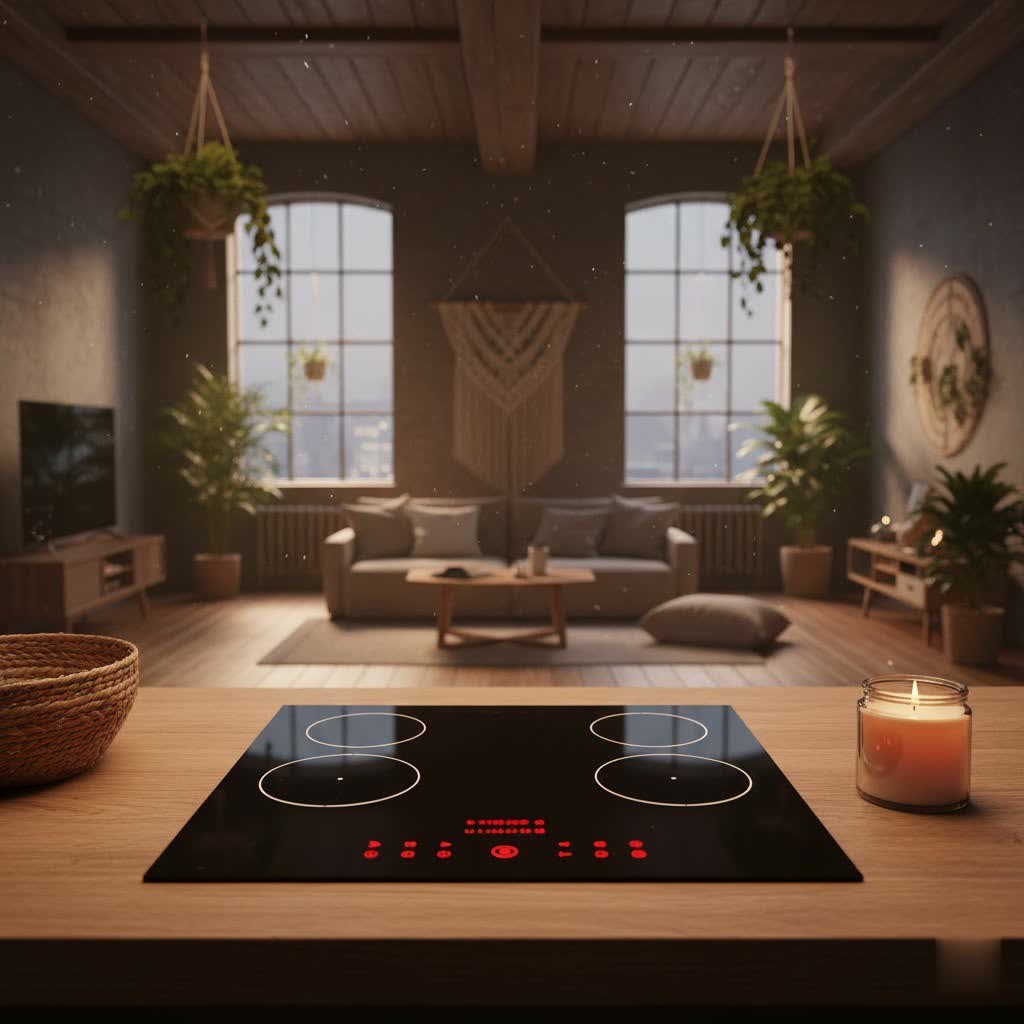
What is an Induction Cooktop?
An induction cooktop is a cutting-edge cooking surface that heats cookware directly through electromagnetic induction. Unlike traditional electric or gas cooktops, it doesn’t use a flame or a radiant heating element to transfer heat. Instead, an electromagnetic field is created beneath the glass surface. When compatible magnetic cookware (such as cast iron or stainless steel with a magnetic base) is placed on it, this field induces an electric current in the pot or pan itself, causing it to heat up rapidly. The cooktop surface remains relatively cool, making it highly efficient and safe.
What is a Convection Oven?
A convection oven is a type of oven that uses fans to circulate hot air evenly around the food. This differs from conventional ovens, which rely solely on radiant heat from heating elements. The forced air movement in a convection oven ensures more consistent temperatures, eliminates hot and cold spots, and cooks food faster and more uniformly. This results in dishes that are often crisper on the outside and moister on the inside, ideal for baking, roasting, and even air frying.
The Synergy: Convection Oven with Induction Cooktop
When an induction cooktop is paired with a convection oven in a single unit, commonly known as an “induction range,” you get a highly versatile and powerful cooking appliance. This combination marries the rapid, precise, and energy-efficient heating of induction cooking on the stovetop with the consistent, even baking and roasting capabilities of a convection oven below. It’s designed to offer a complete, high-performance solution for virtually any cooking task, from a quick boil to a perfectly roasted turkey.
Advantages and Disadvantages of Induction Ranges with Convection Ovens
Like any advanced appliance, induction ranges with convection ovens come with a unique set of benefits and potential drawbacks that are important to consider. Understanding these can help you make an informed decision for your home.
Advantages:
- Superior Energy Efficiency: Induction cooktops transfer up to 90% of their energy directly to the cookware, significantly reducing wasted heat compared to gas or traditional electric cooktops. The convection oven also operates efficiently by circulating hot air, often shortening cooking times.
- Enhanced Safety: Without an open flame or glowing electric element, induction cooktops are much safer. The surface remains cool to the touch (or cools down very quickly) once the pan is removed, minimizing the risk of burns. Convection ovens, while hot inside, don’t pose the same direct cooktop burn risk.
- Unrivaled Speed: Induction cooktops are famously fast, often boiling water in half the time of gas or electric. This rapid heating capability is a huge time-saver in busy kitchens.
- Precise Temperature Control: Both induction cooktops and convection ovens offer exceptional control over cooking temperatures. Induction allows for instant adjustments from a rapid boil to a delicate simmer, much like gas but with even finer control. Convection ensures even heat distribution throughout the oven cavity.
- Effortless Cleaning: The flat, smooth glass surface of an induction cooktop is easy to wipe clean, as spills don’t bake onto a hot surface. Many convection ovens also come with self-cleaning or steam-clean functions, simplifying oven maintenance.
- Consistent Cooking Results: Convection technology eliminates hot spots, ensuring that baked goods rise evenly, and roasted meats brown consistently on all sides, even when using multiple racks.
- Advanced Features: Many modern induction ranges include convection ovens with additional modes like air fry, air sous vide, proofing, and specialized baking settings, further expanding your culinary possibilities.
|
Our Picks for the Best Induction Cooktop in 2026
As an Amazon Associate I earn from qualifying purchases.
|
||
| Num | Product | Action |
|---|---|---|
| 1 | Nuwave Pro Chef Induction Cooktop, NSF-Certified, Commercial-Grade, Portable, Powerful 1800W, Large 8” Heating Coil, 94 Temp Settings 100°F - 575°F in 5°F, Shatter-Proof Ceramic Glass Surface |

|
| 2 | VoltCuisine 24 Inch Double Induction Cooktop, Button Control, 1800W Power Sharing, Low Power Continuous Heating, Portable Countertop Electric Cooker |
|
| 3 | Duxtop 1800W Portable Induction Cooktop Countertop Burner, Black 9100MC/BT-M20B |
|
| 4 | Cooktron 2-in-1 Induction Cooktop with Grill Pan – Portable 1 Burner Induction Hot Plate 1800W, Removable Griddle, 10 Power & 5 Temp Levels, Touch & Knob Control for Kitchen or RV Camping |
|
| 5 | ChangBERT Portable Induction Cooktop Enhanced Version, One-Click Max Power 1800W Large Heating Coil Burner, Precise Temperature Control, NSF Certified, Low Noise Hot Plate for Home & Commercial |
|
| 6 | Duxtop 1800W Portable Induction Cooktop Countertop Burner, Gold 8100MC/BT-180G3 |
|
| 7 | ChangBERT Induction Cooktop, Commercial Grade Portable Cooker, Large 8” Heating Coil, Premium Stainless Steel Countertop Burner with NSF Certified, 10 Hours Timer Powerful 1800W Professional Hot Plate |
|
| 8 | 30 Inch Gas Cooktop, TOPWISH Gas Stove Top with 5 High Efficiency SABAF Burners, 41400 BTU, NG/LPG Convertible 304 Stainless Steel Built-in Propane Stovetop with Thermocouple Protection, 120V AC |
|
| 9 | Nuwave Flex Precision Induction Cooktop, 10.25” Shatter-Proof Ceramic Glass, 6.5” Heating Coil, 45 Temps from 100°F to 500°F, 3 Wattage Settings 600, 900 & 1300 Watts, Black |
|
| 10 | Duxtop Portable Induction Cooktop Burner, Induction Hot Plate with LCD Sensor Touch 1800 Watts, Silver 9600LS/BT-200DZ |
|
Disadvantages:
- Higher Initial Cost: Induction ranges are generally more expensive than comparable gas or electric models due to their advanced technology. This upfront investment might be a consideration for budget-conscious buyers.
- Cookware Compatibility: Induction cooking requires cookware made of ferromagnetic materials (i.e., metals that a magnet will stick to). You might need to replace some of your existing pots and pans if they are not induction-compatible, which adds to the overall cost.
- Potential for Noise: While generally quiet, some users report a faint buzzing or humming sound from the induction coils or a slight rattling if cookware isn’t perfectly flat. Convection fans also produce a gentle whirring sound.
- Learning Curve: Adjusting to the speed and precision of induction cooking can take some getting used to. Foods can overcook quickly if you’re not accustomed to its responsiveness. Similarly, convection ovens often require temperature or time adjustments compared to conventional recipes.
- Surface Scratching: The sleek glass surface of the induction cooktop, while easy to clean, can be prone to scratches if care is not taken to use smooth-bottomed cookware and avoid abrasive cleaners.
- Power Requirements: These appliances often require a dedicated 240V electrical outlet, which might necessitate an electrical upgrade in older homes.
Types of Induction Ranges with Convection Ovens
Induction ranges are available in various configurations to suit different kitchen layouts and aesthetic preferences.
- Freestanding Ranges: These are finished on the sides, allowing them to be placed anywhere in your kitchen, even at the end of a counter. They typically feature a backguard with controls.
- Slide-in Ranges: Designed to fit between cabinets for a built-in look, slide-in ranges often have unfinished sides and front-mounted controls, offering a more custom, seamless appearance.
- Single vs. Double Oven: Most induction ranges feature a single, large convection oven. However, some premium models offer a double oven configuration, allowing you to cook multiple dishes at different temperatures simultaneously—a game-changer for entertaining.
Comparison with Other Cooking Appliances
When upgrading your kitchen, you’ll inevitably compare induction ranges with convection ovens to other popular cooking methods. Here’s how they stack up:
| Feature | Induction Range (with Convection) | Gas Range (with Convection) | Electric Range (with Convection) |
|---|---|---|---|
| Energy Efficiency | Very High (direct heat transfer) | Medium (heat loss to air) | Low to Medium (radiant heat) |
| Safety | Very High (cool cooktop, no flame) | Low (open flame, gas leaks) | Medium (hot elements/surface) |
| Cooking Speed | Very Fast (rapid boil) | Fast (instant heat) | Medium to Slow |
| Temperature Control | Excellent (precise, instant) | Good (visual flame control) | Moderate (slower response) |
| Initial Cost | High | Medium | Low to Medium |
| Cookware Flexibility | Low (requires magnetic cookware) | High (any cookware) | High (any flat-bottomed cookware) |
| Cleaning Ease | Very Easy (smooth surface) | Moderate (grates, burnt food) | Easy (smooth surface on some) |
Buying Guide: Choosing Your Ideal Convection Oven with Induction Cooktop
Selecting the perfect induction range with a convection oven involves considering several factors beyond just aesthetics. Here’s what to look for:
- Power and Performance (Wattage): Look at the wattage of the induction burners and the oven’s heating elements. Higher wattage often means faster heating and more robust performance. Ensure your home’s electrical system can support the appliance’s requirements.
- Size and Design: Measure your available space carefully, especially for slide-in models. Consider the overall aesthetic of your kitchen. Do you prefer a sleek, modern look or something more traditional?
- Number of Cooking Zones: Most ranges have four or five induction burners. Some include bridge elements that allow you to combine two zones for larger griddles or roasting pans, increasing versatility.
- Safety Features: Prioritize models with safety features like automatic shut-off when cookware is removed, child lock functions, and hot surface indicators.
- Smart Features and Connectivity: Many modern ranges offer Wi-Fi connectivity, allowing you to control the oven, monitor cooking progress, and receive notifications via a smartphone app. Some even include automatic convection conversion, simplifying recipe adjustments.
- Brand Reputation and Reliability: Research reputable brands known for quality appliances and good customer service. Reading reviews can provide insights into real-world performance and durability.
- Price and Warranty: Set a budget and compare models within your range. Pay close attention to the warranty offered by the manufacturer, which can cover parts and labor for a specified period.
- Oven Capacity and Additional Modes: Consider the oven’s cubic footage based on your cooking needs. Look for extra features like “Air Fry,” “Steam Cook,” or a meat probe for enhanced functionality.
Top Brands for Convection Ovens with Induction Cooktops
The market offers a wide array of excellent induction ranges with convection ovens. Here are some of the most reputable brands and what they are known for:
- LG: Known for innovation, LG offers models with features like “ProBake Convection” for even baking and “InstaView” doors. Many include Air Fry and Air Sous Vide modes.
- Frigidaire: Often praised for value, Frigidaire provides reliable induction ranges with convection at competitive price points, making them a great entry point into induction cooking.
- GE Profile & Café: GE Profile offers a strong balance of features and value, with smart connectivity and versatile cooking modes. Café, a premium GE brand, offers customizable designs, double ovens, and advanced smart features for the discerning chef.
- Bosch: Renowned for precision engineering and sleek European design, Bosch 800 Series induction ranges often include multiple cooking modes and robust safety features.
- Samsung: Offers stylish, feature-rich “Bespoke” models with smart capabilities and innovative designs.
- Wolf & Miele: These luxury brands provide top-tier performance, exceptional build quality, and advanced convection systems, often with gourmet cooking modes and dual-fan setups.
How to Use and Maintain Your Convection Oven with Induction Cooktop
To maximize the performance and lifespan of your appliance, proper usage and maintenance are key.
Usage Tips:
- Use Compatible Cookware: Always use pots and pans that a magnet sticks to. Flat-bottomed cookware ensures optimal contact and heating efficiency.
- Start with Lower Settings: Induction heats very quickly. Begin with lower heat settings and gradually increase as needed to avoid overcooking, especially when you’re new to it.
- Adjust Convection Settings: For most recipes, reduce the conventional oven temperature by 25°F (about 15°C) and/or the cooking time by 20-25% when using convection. Many modern ovens have an auto-conversion feature.
- Keep Cookware Clean: Ensure the bottoms of your pots and pans are clean and dry to prevent scratching the glass cooktop surface.
Maintenance and Cleaning:
- Daily Cooktop Wipe-Down: After each use, allow the cooktop to cool slightly, then wipe it with a damp cloth and mild dish soap to remove spills. For tougher spots, use a ceramic cooktop cleaner.
- Avoid Abrasives: Do not use abrasive cleaners, scouring pads, or sharp objects on the glass cooktop, as these can cause scratches.
- Oven Cleaning: Follow the manufacturer’s instructions for self-cleaning or steam-cleaning cycles. Wipe down the interior regularly to prevent excessive grease buildup.
- Ventilation: Ensure adequate ventilation in your kitchen, especially when cooking at high temperatures, to manage steam and cooking odors.
Common Issues and Troubleshooting:
- Cookware Not Detected: If a burner isn’t working, check if your pot is induction-compatible and centered on the cooking zone.
- Faint Noise: A slight buzzing or humming is normal for induction. If it’s disruptive, try a heavier, high-quality pan.
- Scratch Prevention: Place a silicone mat or parchment paper between the cooktop and pan for added protection, especially with heavy cast iron.
Comparison Table: Top Convection Oven with Induction Cooktop Models
Here’s a glance at some highly-rated induction ranges with convection ovens available today:
| Model | Brand | Power/Size | # Cook Zones | Notable Features | Price (Approx.) |
|---|---|---|---|---|---|
| LSIL6336FE | LG | 6.3 cu. ft. oven | 4 | Air Fry, Air Sous Vide, InstaView, ProBake | $1,900 – $3,300 |
| CHS90XM2NS5 | Café | 30-inch, Double | 4 (with bridge) | In-Oven Camera, SmartHQ App, Customizable H/W | $3,500 – $4,700 |
| HIS8055U (800 Series) | Bosch | 4.6 cu. ft. oven | 4 | 11 Cooking Modes, SafeStart, European Design | $4,500 – $5,000 |
| GCFI3070BF (Gallery Series) | Frigidaire | 6.2 cu. ft. oven | 5 (with bridge) | Air Fry, True Convection, Affordable Entry | $1,000 – $2,000 |
| PHS93XYPFS (Profile) | GE Profile | 5.3 cu. ft. oven | 5 (with bridge) | SmartHQ App, Griddle Zone, Express Preheat | $2,000 – $3,000 |
Conclusion
Embracing a convection oven with an induction cooktop means stepping into a world of advanced culinary possibilities. These innovative appliances offer unparalleled speed, precise control, energy efficiency, and a host of safety features, making them a significant upgrade for any kitchen. While the initial investment and the need for compatible cookware might be considerations, the long-term benefits in performance, safety, and ease of use are undeniable. By understanding the technology, evaluating your needs, and considering the available options, you can confidently choose an induction range that will serve as the centerpiece of your culinary adventures for years to come.
Are you ready to experience the future of cooking?
Frequently Asked Questions
What is the primary difference between an induction range and a traditional electric range?
The main difference lies in how heat is generated. Induction ranges use electromagnetic fields to directly heat the cookware itself, leading to faster, more efficient, and safer cooking. Traditional electric ranges use radiant heat from an element beneath a glass or coil surface, which heats the cooktop, then the pan, resulting in slower response times and more wasted energy.
Do I need special pots and pans for an induction cooktop?
Yes, induction cooktops require cookware made from magnetic materials. To check if your existing pots and pans are compatible, simply hold a magnet to the bottom; if it sticks firmly, your cookware will work. Cast iron, magnetic stainless steel, and some enameled steel pots are typically compatible.
Can I use my convection oven and induction cooktop at the same time?
Absolutely! Induction ranges are designed for simultaneous use of both the cooktop and the convection oven. This allows for versatile meal preparation, such as searing a steak on the cooktop while baking a casserole in the convection oven. Many models are engineered to handle the combined power demands efficiently.
