Choosing the right cooktop can revolutionize your kitchen experience, transforming daily meals from a chore into a joy. In today’s fast-paced world, where efficiency, safety, and precise control are paramount, the two-burner induction cooktop stands out as a true game-changer for many households. Whether you’re navigating a compact apartment kitchen, seeking an auxiliary cooking solution, or simply aiming to upgrade your culinary tools, understanding the nuances of these modern appliances is key. This comprehensive guide will explore everything from how induction technology works to the critical factors you should consider before making a purchase, helping you unlock a new level of cooking prowess.
What is an Induction Cooktop?
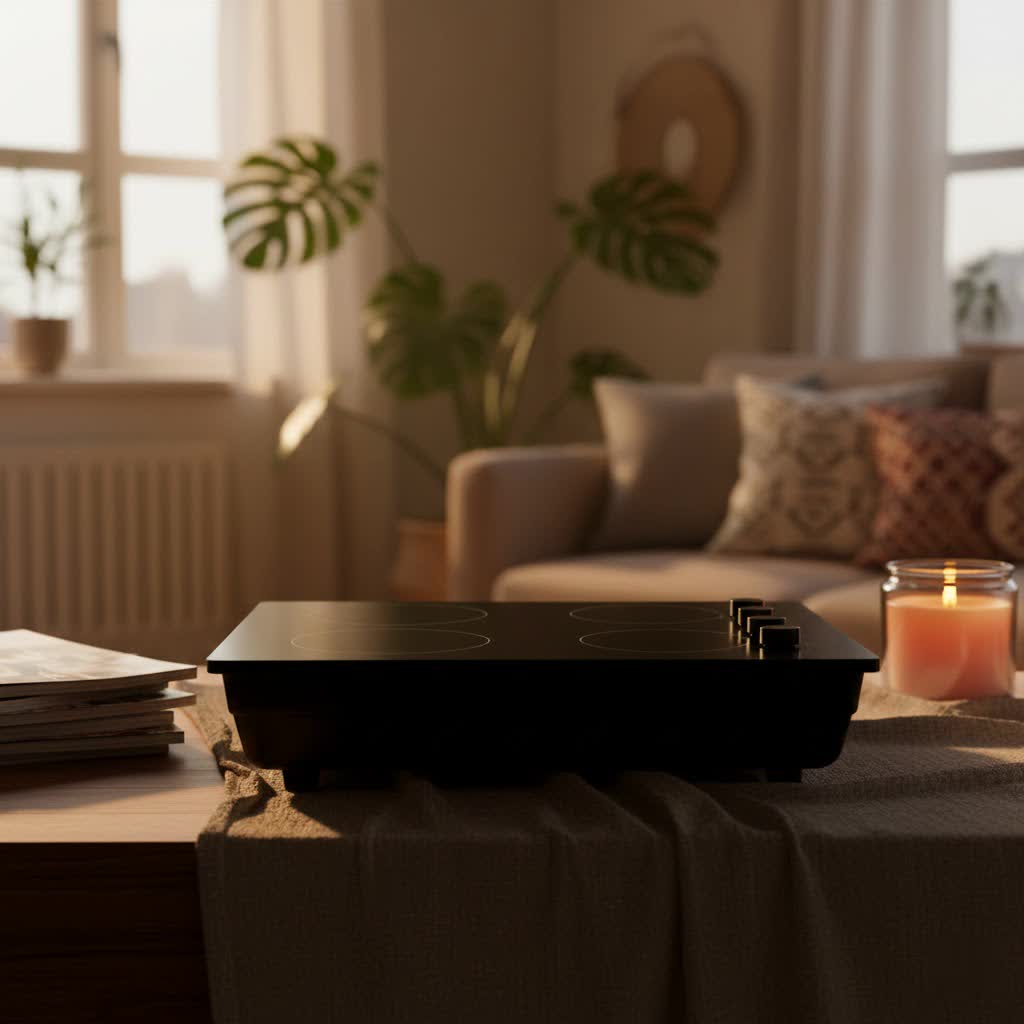
An induction cooktop represents a significant leap in cooking technology, fundamentally altering how heat is generated for culinary tasks. Unlike traditional gas or electric stoves that heat an element which then transfers heat to the pan, an induction cooktop utilizes electromagnetic energy. Beneath the smooth, glass-ceramic surface lies a coiled copper wire. When the cooktop is powered on and a compatible pot or pan is placed on it, an alternating electric current flows through this coil, creating a magnetic field. This field then “induces” an electric current directly within the ferrous metal of the cookware itself, causing the pan to heat up rapidly and efficiently.
The most striking aspect of this technology is that the heat is generated within the cookware, not on the cooktop surface. This means the cooking surface itself remains relatively cool to the touch, drastically reducing the risk of burns. The concept of induction cooking, though gaining widespread popularity recently, actually dates back to its introduction at the Chicago World’s Fair in 1933, showcasing a long-standing potential for a cleaner, more efficient way to cook.
Advantages and Disadvantages of Two-Burner Induction Cooktops
Two-burner induction cooktops offer a compelling blend of benefits and a few considerations that prospective buyers should be aware of.
Advantages:
- High Energy Efficiency: Induction cooktops are remarkably energy-efficient, transferring up to 90% of their energy directly to the food. This means less wasted heat and lower energy bills compared to gas or traditional electric stoves, which often lose a significant amount of heat to the surrounding air.
- Enhanced Safety: Without an open flame or glowing electric coils, induction cooktops are inherently safer. The surface remains cool (only retaining residual heat from the pan), significantly reducing the risk of accidental burns. Features like automatic pan detection (heating only when a compatible pan is present) and auto-shutoff further bolster safety, especially in homes with children or pets.
- Effortless Cleaning: The flat, smooth glass-ceramic surface makes cleanup a breeze. Since the cooktop itself doesn’t get hot, spills and splatters are much less likely to bake onto the surface. A simple wipe with a damp cloth is usually all that’s needed to keep it pristine.
- Precise Temperature Control: Induction offers unparalleled precision in temperature management. Heat adjustments are instantaneous, allowing cooks to go from a rolling boil to a gentle simmer almost immediately. This level of control is invaluable for delicate sauces, searing, and maintaining specific temperatures.
- Rapid Cooking Speed: Thanks to direct heat transfer, induction cooktops heat up incredibly fast. They can boil water 20-40% quicker than conventional gas or electric stoves, saving valuable time in the kitchen.
|
Our Picks for the Best Induction Cooktop in 2026
As an Amazon Associate I earn from qualifying purchases.
|
||
| Num | Product | Action |
|---|---|---|
| 1 | ChangBERT Induction Cooktop, Commercial Grade Portable Cooker, Large 8” Heating Coil, Premium Stainless Steel Countertop Burner with NSF Certified, 10 Hours Timer Powerful 1800W Professional Hot Plate |

|
| 2 | Nuwave Flex Precision Induction Cooktop, 10.25” Shatter-Proof Ceramic Glass, 6.5” Heating Coil, 45 Temps from 100°F to 500°F, 3 Wattage Settings 600, 900 & 1300 Watts, Black |
|
| 3 | Nuwave Pro Chef Induction Cooktop, NSF-Certified, Commercial-Grade, Portable, Powerful 1800W, Large 8” Heating Coil, 94 Temp Settings 100°F - 575°F in 5°F, Shatter-Proof Ceramic Glass Surface |
|
| 4 | 30 Inch Gas Cooktop, TOPWISH Gas Stove Top with 5 High Efficiency SABAF Burners, 41400 BTU, NG/LPG Convertible 304 Stainless Steel Built-in Propane Stovetop with Thermocouple Protection, 120V AC |
|
| 5 | Cooktron 2-in-1 Induction Cooktop with Grill Pan – Portable 1 Burner Induction Hot Plate 1800W, Removable Griddle, 10 Power & 5 Temp Levels, Touch & Knob Control for Kitchen or RV Camping |
|
| 6 | Duxtop Portable Induction Cooktop Burner, Induction Hot Plate with LCD Sensor Touch 1800 Watts, Silver 9600LS/BT-200DZ |
|
| 7 | Duxtop 1800W Portable Induction Cooktop Countertop Burner, Black 9100MC/BT-M20B |
|
| 8 | ChangBERT Portable Induction Cooktop Enhanced Version, One-Click Max Power 1800W Large Heating Coil Burner, Precise Temperature Control, NSF Certified, Low Noise Hot Plate for Home & Commercial |
|
| 9 | Duxtop 1800W Portable Induction Cooktop Countertop Burner, Gold 8100MC/BT-180G3 |
|
| 10 | VoltCuisine 24 Inch Double Induction Cooktop, Button Control, 1800W Power Sharing, Low Power Continuous Heating, Portable Countertop Electric Cooker |
|
Disadvantages:
- Higher Initial Cost: Two-burner induction cooktops often come with a higher upfront price tag compared to equivalent gas or electric models. However, the long-term energy savings can help offset this initial investment.
- Cookware Compatibility: Induction cooktops require specific cookware made from ferrous metals (magnetic materials). While many modern pots and pans are induction-compatible, you might need to replace older aluminum, copper, or glass cookware if it doesn’t have a magnetic base. A simple magnet test can determine if your existing cookware will work.
- Potential for Minor Noise: Some users report hearing a low humming, buzzing, or clicking sound during operation, particularly at higher power settings or with certain types of cookware. This is a normal part of the electromagnetic process and varies by unit and pan quality.
- Requires Stable Power Source: High-wattage two-burner models, especially 220V units, require a stable and appropriate electrical connection. Portable 120V models might have power-sharing features, meaning the total wattage is divided between the two burners, which can limit simultaneous high-heat cooking.
- Learning Curve: Adjusting to the speed and responsiveness of induction cooking can take some getting used to. Many experienced cooks find they need to adapt their timing and preparation habits, often needing to have ingredients prepped before turning on the burner.
Types of Two-Burner Induction Cooktops on the Market
Two-burner induction cooktops primarily come in two main configurations:
- Portable (Countertop) Induction Cooktops: These are standalone units designed to sit on your countertop. They are typically lightweight, plug into a standard wall outlet (120V), and are perfect for small kitchens, dorm rooms, RVs, outdoor cooking, or as an extra cooking zone. Many portable models offer a “power sharing” feature, where the total wattage (e.g., 1800W) is distributed between the two burners.
- Built-in (Drop-in) Induction Cooktops: These models are designed for permanent installation, integrated flush with your kitchen countertop, offering a sleek and seamless look. They often require professional installation and a dedicated electrical circuit (commonly 220V or 240V for higher power output), providing independent power to each burner.
Comparing Two-Burner Induction Cooktops with Other Stove Types
When deciding on a new cooking appliance, it’s helpful to see how two-burner induction cooktops stack up against their gas and electric counterparts.
| Feature | Two-Burner Induction Cooktop | Gas Cooktop | Electric Radiant Cooktop |
|---|---|---|---|
| Energy Efficiency | High (approx. 90%) | Medium (approx. 40%) | Low (approx. 70%) |
| Safety | High (cool surface, no flame) | Low (open flame, gas leaks) | Medium (hot surface, glowing elements) |
| Cooking Speed | Fast (instant heat, quick boil) | Medium (responsive flame) | Slow (elements heat up gradually) |
| Price | High | Medium | Low |
| Temperature Control | Precise, instantaneous | Good, visible flame | Less precise, slower response |
| Flexibility (Pots) | Low (requires magnetic cookware) | High (any cookware) | High (any flat-bottom cookware) |
| Cleaning | Easy (smooth, cool surface) | Difficult (grates, burners) | Medium (hot surface can bake spills) |
Key Criteria for Choosing a Two-Burner Induction Cooktop (Buying Guide)
Selecting the ideal two-burner induction cooktop involves considering several factors to match your cooking style, kitchen space, and budget.
- Power and Wattage: Portable 120V models typically offer around 1800W total, often with power-sharing between burners. Built-in 220V/240V models can offer higher total wattage (e.g., 3100W or 4000W) and frequently provide independent power to each burner, allowing for simultaneous high-heat cooking. Consider your cooking needs and electrical capacity.
- Size and Design: Measure your available countertop space for portable units or the cutout dimensions for built-in models. Look for sleek designs that complement your kitchen aesthetics. Some portable units come with a slim profile for easy storage.
- Control Interface: Options include touch-sensitive digital panels and traditional rotary knobs. Digital controls offer a modern look and are easy to clean, while knobs provide tactile feedback that some users prefer. Ensure the display is clear and intuitive.
- Safety Features: Prioritize models with child safety locks to prevent accidental activation, automatic shut-off functions (if a pan is removed or overheats), and pan detection systems.
- Brand and Reliability: Research reputable brands known for their induction technology and customer support. Look for products with good reviews and a solid warranty.
- Price: Induction cooktops range from budget-friendly portable options to more premium built-in models. Determine your budget and balance it against desired features and brand reputation.
- Warranty and Customer Support: A good warranty provides peace of mind. Check the duration and what it covers. Accessible customer service can be crucial for any questions or issues.
- Special Features: Consider features like integrated timers, keep-warm functions, specific cooking presets (e.g., boil, simmer, sear), and pause functions for added convenience. Some models even offer removable griddle pans for versatile cooking.
Top Brands for Two-Burner Induction Cooktops
While many brands offer induction technology, some have consistently received high marks for their two-burner models:
- Duxtop: Often praised for its value and performance, Duxtop offers popular portable double induction cooktops known for rapid heating, precise control (often with 20 power/temperature settings), and user-friendly interfaces.
- True Induction: Known for both portable and built-in options, True Induction models are often highlighted for their quality, customer satisfaction, and good low-temperature control, with some models offering dedicated bridge modes.
- Nutrichef: Offers portable double burner cooktops with a focus on maximum utility in a slim design, often featuring independent configurable power and temperature settings and an automatic warm function.
- Cuisinart: Their double induction cooktops are noted for ease of use and straightforward controls, sometimes featuring one larger and one smaller burner for varied cooking needs.
- Bosch, Electrolux, Philips: While not always specializing in two-burner portable units, these major appliance brands offer high-quality built-in induction cooktops known for advanced features, sleek design, and robust performance across their product lines.
How to Use and Maintain Your Two-Burner Induction Cooktop
Proper usage and regular maintenance will ensure your two-burner induction cooktop performs optimally and lasts for years.
- Safe and Effective Use:
- Always use induction-compatible cookware. Test with a magnet: if it sticks firmly to the bottom, it’s compatible.
- Ensure your pan’s base covers a significant portion of the cooking zone for efficient heating.
- Have all ingredients prepped before you start cooking, as induction heats up very quickly.
- Be mindful of power sharing on some portable models; using both burners at maximum power simultaneously might not be possible.
- Never place the cooktop on a metal surface, as the magnetic field could potentially interact with it.
- Cleaning and Storage:
- Allow the cooktop surface to cool completely before cleaning. Although the cooktop itself doesn’t generate heat, residual heat from a hot pan can warm the glass.
- Wipe down the glass surface with a damp cloth or sponge immediately after use to prevent food from drying on.
- For stubborn messes, use a non-abrasive cooktop cleaner and a soft cloth. Avoid harsh chemicals, abrasive pads, or steel wool, which can scratch the glass.
- For portable units, store in a dry place when not in use.
- Common Issues and Troubleshooting:
- Cooktop not heating: Check if the cookware is induction-compatible and properly centered on the burner. Ensure the unit is plugged in and turned on.
- Noise: A low hum or buzz is normal. If it’s excessively loud, it might indicate incompatible or lower-quality cookware.
- Error Codes: Refer to your user manual for specific error codes, which usually indicate issues like improper pan placement or overheating.
Comparison Table: Popular Two-Burner Induction Cooktop Models
Here’s a look at some representative two-burner induction cooktop models, highlighting key features:
| Model | Brand | Power (Max) | Burners | Notable Features | Price Range (Approx.) |
|---|---|---|---|---|---|
| LCD Portable | Duxtop | 1800W | 2 (shared) | 20 power settings, digital display, built-in timer, child lock, auto-shutoff | Mid |
| TI-2B | True Induction | 1800W | 2 (shared/independent*) | Sleek design, precise temp control, built-in option, durable glass-ceramic | High |
| Double Burner | Nutrichef | 1800W | 2 (independent) | Slim profile, sensor touch, warm function, independent settings, LCD display | Mid |
| ICT60 | Cuisinart | 1500W | 2 (independent) | Easy controls, 600W/900W burners, 30-second pan removal delay, portable | Mid |
| Chef Gourmet | EOS | 4000W | 2 (independent) | High power, 10 temp levels, compact design, ceramic glass | Mid-High |
Note: Some True Induction models offer fully independent burners. Always check specific model specifications.
> “The efficiency and responsiveness of a two-burner induction cooktop can dramatically improve your cooking workflow, making it faster and more enjoyable. It’s a smart investment for any modern kitchen.” – Chef Sarah Thompson, Culinary Innovator and Author
Conclusion
The two-burner induction cooktop offers a compelling solution for modern kitchens, blending advanced technology with practical benefits. Its ability to provide rapid, precise, and energy-efficient cooking in a safe, easy-to-clean package makes it an attractive choice for everyone from culinary enthusiasts in small spaces to those seeking flexible cooking options. While the initial cost and specific cookware requirements are considerations, the long-term advantages in performance, safety, and operational savings often outweigh these factors. By understanding its mechanics and evaluating the diverse models available, you can confidently select a two-burner induction cooktop that perfectly suits your culinary ambitions and enhances your home.
Are you ready to experience the future of cooking with a two-burner induction cooktop?
Frequently Asked Questions
What kind of pots and pans do I need for a two-burner induction cooktop?
You need cookware with a magnetic base for an induction cooktop. Common materials include cast iron, magnetic stainless steel, and enameled steel. A simple test is to hold a magnet to the bottom of your pot or pan; if it sticks firmly, it’s induction-compatible.
Can I use both burners on a two-burner induction cooktop at full power simultaneously?
It depends on the specific model. Many portable 120V two-burner induction cooktops feature “power sharing,” meaning the total wattage (e.g., 1800W) is distributed between the two burners. This might limit simultaneous high-heat cooking. Higher-power 220V/240V built-in models often have independent burners that can operate at full power concurrently.
Is a two-burner induction cooktop suitable for a small apartment?
Absolutely. Two-burner induction cooktops are excellent for small apartments due to their compact size, efficiency, and safety. Portable models can be stored away when not in use, maximizing counter space, while built-in options offer a sleek, integrated look without occupying a large footprint.
Do induction cooktops make noise?
Yes, some noise is normal. You might hear a low hum, buzz, or clicking sound during operation. This is typically due to the cooling fan, the vibration of the cookware on the cooktop surface, or the electromagnetic current interacting with the pan’s material. The intensity of the noise can vary with the quality of the cooktop and cookware.
How much energy does a two-burner induction cooktop save compared to a gas stove?
Induction cooktops are significantly more energy-efficient than gas stoves. While gas stoves typically have an efficiency of around 40%, induction cooktops can transfer up to 90% of their energy to the cookware. This means less energy is wasted as heat escaping into the air, translating to faster cooking and lower utility bills.
